


Key Takeaways
- Measure the sofa, rug, open floor area, and main walking paths before comparing styles.
- Choose a table height close to, or slightly below, the sofa seat.
- Match the shape to the seating plan and the amount of movement needed around the room.
- Consider the care needs of marble, travertine, onyx, and other natural stones before buying.
- Prioritize everyday function, especially in busy Sydney homes where the living room may serve as a family, entertaining, and work space.
A stone coffee table can anchor a living room, linking the sofa, rug, occasional chairs, and decorative details into one considered setting. In Sydney, where bright natural light, apartment layouts, and indoor-outdoor living often shape furnishing choices, proportion matters just as much as the material itself.
When comparing marble coffee tables Sydney homeowners may consider, Elsa Home And Beauty provides a specialist collection focused on natural-stone furniture in shapes including round, rectangular, square, oval, nesting, and storage designs. Its range of marble, travertine, onyx, and other stone options makes it a useful point of reference for Sydney interiors and projects farther afield, particularly when comparing material character, finish, proportions, and intended use.
Why The Coffee Table Sets The Tone
A coffee table sits at the center of a seating area, so an attractive piece can still feel wrong if it is too small for the sofa, too tall for relaxed use, or too bulky for the available floor space. It should provide a practical place for drinks, books, remotes, or a tray while leaving the room easy to move through. As this advice on choosing a coffee table suggests, utility is a sensible place to begin before focusing on decoration.
Step One: Measure Before Shopping
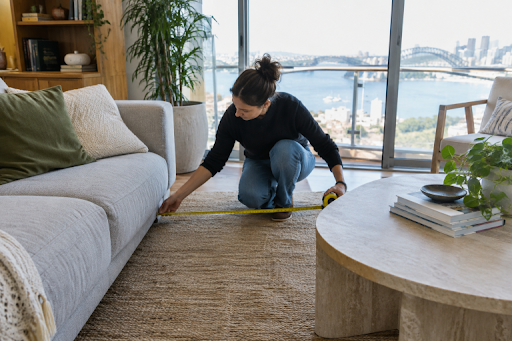
Take measurements before falling for a stone pattern or sculptural silhouette. Record the usable length of the sofa, the open area in front of it, the rug dimensions, the height of the seat cushions, and the position of doors and frequent walkways. In compact Sydney apartments, it can also help to mark the table footprint on the floor with painter’s tape.
- Use roughly two-thirds of the sofa length as a starting proportion.
- Keep the top level with, or slightly below, the sofa seat for comfortable reach.
- Leave clear space between the sofa and table, as well as enough room on the outer sides for people to pass.
- Treat all sizing guidance as a starting point, not a fixed rule. A deep sectional, narrow room, or large rug may call for a different proportion.
Step Two: Match Shape To The Seating Layout
Round and Oval Tables
Round tables suit compact rooms, curved sofas, and routes that need to remain open. Their lack of corners can also be useful in homes with young children or energetic pets. An oval design provides similar softness while offering more length beside a standard sofa.
Rectangular and Square Tables
Rectangular tables generally work well with long sofas, chaise sectionals, and larger open-plan living zones because they offer generous surface area. Square designs can suit balanced arrangements, such as two facing sofas or several lounge chairs, where a narrow rectangle might leave the center feeling underfilled.
Step Three: Compare Stone Materials
Natural stone varies in colour, veining, porosity, and surface texture, so no two pieces will look exactly alike. Consider the following practical comparison when narrowing the field:
- Marble: Often chosen for dramatic veining and a polished, refined focal point. It benefits from prompt spill clean-up and stone-safe care.
- Travertine: Usually has a warm, earthy appearance and naturally textured character. It can complement linen, timber, rattan, and relaxed organic interiors.
- Onyx and decorative stones: Can have distinctive colour variation or translucency, giving the table a sculptural presence. Check the finish, sealing needs, weight, and intended use before committing.
Step Four: Select A Finish For Daily Life
Polished stone reflects more light and can make a darker living room feel brighter, while honed or matte finishes create a quieter, softer look. Textured surfaces add tactile interest but may collect dust in small recesses. Ask how the table will actually be used: weekend entertaining, family meals, laptop work, display, or daily storage. Rounded profiles often suit active family rooms, while crisp plinths and stronger geometric forms can work beautifully in more formal spaces.
Step Five: Plan For Care And Storage
Natural stone is not maintenance-free, but consistent habits help preserve it. Wipe spills promptly with a soft, damp cloth, use coasters under drinks, place small objects on a tray, and avoid acidic or abrasive cleaners unless the supplier confirms they are appropriate. Follow the maker’s instructions for sealing and resealing, and avoid placing hot cookware or rough objects directly on vulnerable surfaces.
Storage should support the room rather than turn the table into a bulky obstacle. Open shelves make books and baskets easy to reach, drawers can conceal remotes and children’s items, and nesting tables offer flexibility when guests arrive. If entertaining is the priority, a simpler slab-style top may provide the clearest usable surface.
How To Pair Stone With Existing Furniture
- Balance visual weight. A substantial stone table can ground a large sofa and rug, while a lighter base may suit a smaller room.
- Use timber, linen, wool, or rattan to soften a bold stone surface.
- Pair dark stone with pale upholstery for clear contrast.
- Let strongly veined marble lead the scheme, then keep nearby accessories simple.
- Repeat one colour from the stone in a cushion, artwork, lamp, or vase for a more connected result.
Common Mistakes To Avoid
- Buying from a photograph without confirming dimensions and finish.
- Blocking the main path between seating, doors, and outdoor areas.
- Ignoring sofa height and choosing a table that is awkward to reach.
- Selecting a finish that does not suit the household’s routines.
- Covering the stone completely with accessories instead of allowing its natural variation to show.
- Forgetting to check delivery access, lift dimensions, floor protection, and the table’s total weight.
Frequently Asked Questions
How long should a coffee table be compared with the sofa?
About two-thirds of the sofa length is a useful starting point. Go smaller when circulation is tight, or consider nesting pieces when flexibility matters more than one continuous surface.
Should a coffee table be higher or lower than the sofa?
A top close to the seat height, or slightly lower, often feels comfortable and visually balanced.
Is marble practical for everyday use?
Yes, provided spills are cleaned promptly, and the surface is cared for with suitable products. Coasters and trays make daily use easier without hiding the material.
Which shape works best in a small living room?
Round, oval, and nesting designs can improve movement around the seating area. For additional placement ideas, this guide to coffee table sizing and placement explains how scale and clearance affect the room.
What should sit on a stone coffee table?
Keep styling restrained: a small tray, a stack of books, a low vase, and a plant or branch are usually enough. Leave part of the surface clear so the stone remains visible.
Final Checklist Before Buying
- Does the table suit the sofa length and seat height?
- Can people walk around it comfortably?
- Does its shape work with the seating arrangement?
- Can the selected stone and finish suit the household routine?
- Is there enough surface area or storage for everyday use?
- Have delivery access and floor protection been considered?
The right stone coffee table should be visually memorable without making the living room harder to use. Measure first, choose a shape that supports movement, select a finish that suits daily life, and allow the natural stone to do the visual work.

