


Introduction
A bathroom is one of the most frequently used spaces in any home, making its comfort, appearance, and functionality important for everyday living. An outdated layout, worn flooring, poor lighting, limited storage, or inefficient fixtures can make the room less practical and enjoyable. Renovating this space provides an opportunity to improve its appearance while addressing problems that may affect convenience, hygiene, and long-term maintenance. Bathroom remodeling involves carefully updating essential features, including bathtubs, showers, sinks, toilets, flooring, lighting, and storage solutions, to create a balanced and welcoming environment. With thoughtful planning, durable materials, and suitable fixtures, homeowners can transform an ordinary bathroom into a modern space that combines style, comfort, and practicality. A successful project should reflect personal preferences while considering the available space, maintenance requirements, and overall budget.
Understanding the Benefits of a Bathroom Upgrade
Upgrading a bathroom can provide several advantages beyond improving its visual appearance. Modern fixtures can make everyday routines more convenient, while better lighting and storage can create a more organized environment. Replacing damaged tiles, deteriorated sealants, and leaking plumbing components can help protect the property from moisture-related problems. A well-planned renovation may also improve accessibility and make the room easier to clean and maintain. Homeowners can select finishes and features that suit their lifestyles instead of continuing to work around an outdated design. Careful planning helps ensure that each improvement serves a practical purpose while contributing to a comfortable and attractive interior that remains useful for years.
Planning a Practical and Functional Bathroom Layout
A successful renovation begins with evaluating the existing layout and identifying areas that need improvement. Homeowners should consider the placement of the toilet, bathtub, shower, vanity, doors, and storage cabinets before deciding which changes are necessary. Adequate clearance around fixtures makes movement easier and helps prevent the room from feeling crowded. Keeping existing plumbing connections in place may reduce expenses, while relocating fixtures can provide greater flexibility when the current arrangement is inefficient. Bathroom remodeling should focus on balancing convenience, accessibility, and appearance rather than adding features without a clear purpose. A carefully planned layout can improve daily routines, make cleaning easier, and create a more comfortable experience for everyone using the space.
Choosing the Right Bathroom Style
The overall style of a bathroom influences the choice of materials, fixtures, colors, and decorative details. Modern bathrooms often feature clean lines, simple surfaces, and minimal decoration, while traditional interiors may incorporate classic fixtures, detailed cabinetry, and timeless finishes. Contemporary designs can combine natural textures with modern fittings to create a warm and balanced appearance. Homeowners should choose a style that complements the rest of the property and reflects their personal preferences. Consistency is important because combining too many unrelated patterns, colors, and materials can make the room feel disorganized. Selecting a clear design direction before purchasing products helps create a coordinated bathroom that remains attractive beyond short-lived decorating trends.
Selecting Durable Flooring Materials
Bathroom flooring must withstand moisture, regular cleaning, and everyday foot traffic while providing a comfortable and attractive surface. Porcelain and ceramic tiles are popular choices because they are available in numerous colors, sizes, patterns, and finishes. Natural stone can create a distinctive appearance, although it may require additional sealing and specialized maintenance. Other flooring products designed for wet environments can provide alternatives depending on installation requirements and the manufacturer’s recommendations. Homeowners should pay attention to slip resistance, surface texture, durability, and cleaning needs when comparing options. Proper subfloor preparation and waterproofing are equally important because even high-quality flooring can fail if the underlying surface is not suitable or moisture is allowed to penetrate.
Creating a Modern and Comfortable Shower Area
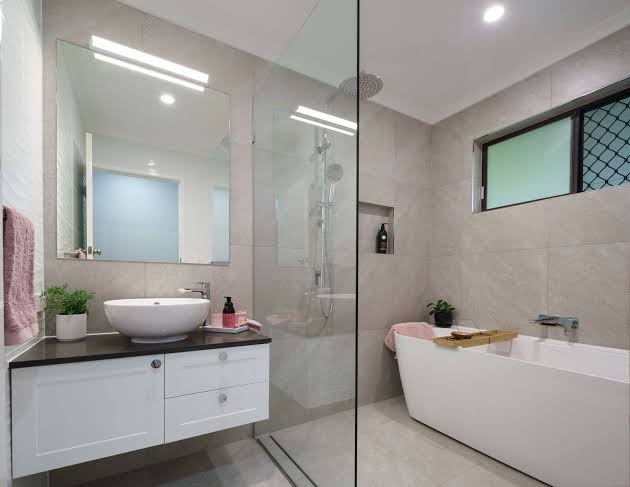
The shower is often one of the most important features of a bathroom, so its design deserves careful consideration. Walk-in showers can create an open appearance and may improve accessibility when designed with appropriate entry arrangements. Glass enclosures help maintain a sense of space, while tiled walls can introduce attractive colors and textures. Built-in niches provide convenient storage for shampoo, soap, and other bathing essentials without requiring bulky shelves. Homeowners should consider water pressure, drainage, ventilation, and waterproofing before selecting shower fixtures or finishes. Bathroom remodeling provides an opportunity to replace outdated shower components with modern alternatives that improve comfort and usability. Proper installation is essential for preventing leaks and maintaining the long-term performance of the shower area.
Choosing a Suitable Bathtub and Vanity
A bathtub can provide comfort and relaxation, while a well-designed vanity improves storage and supports daily grooming routines. Freestanding tubs may create a distinctive focal point in spacious bathrooms, whereas alcove bathtubs can make efficient use of smaller layouts. The vanity should provide sufficient counter space, convenient storage, and a height that suits the people using it. Wall-mounted vanities can create an open appearance, while floor-standing cabinets may offer greater storage capacity. Homeowners should measure the available area carefully and consider plumbing connections before purchasing large fixtures. Coordinating the bathtub, vanity, faucets, and surrounding finishes helps create a consistent appearance without compromising practicality or comfortable movement.
Improving Bathroom Lighting
Lighting has a significant effect on the functionality and atmosphere of a bathroom. General ceiling lights provide overall illumination, while vanity lights help improve visibility for shaving, grooming, and applying personal care products. Additional lighting can highlight architectural features or create a relaxing atmosphere around a bathtub or shower area. Homeowners may consider dimmable fixtures where suitable, allowing brightness to be adjusted according to different activities. Natural light can also make the room feel more open and welcoming when windows or other suitable openings are available. Electrical fixtures must be appropriate for damp or wet conditions and installed according to applicable safety requirements. A well-designed lighting plan improves visibility, comfort, and the appearance of selected finishes.
Selecting Colors and Wall Finishes
Color selection helps establish the mood and visual character of a bathroom. White, cream, and soft gray can create a bright, timeless appearance, while darker shades may introduce contrast and a contemporary atmosphere. Natural tones such as beige, warm brown, and muted green can make the room feel calm and inviting. Wall finishes should complement the flooring, vanity, bathtub, and fixtures to create a coordinated interior. Ceramic tiles, porcelain panels, and suitable moisture-resistant wall materials provide different decorative possibilities and maintenance requirements. Bathroom remodeling allows homeowners to replace outdated patterns with a more consistent design that reflects their preferences. Choosing colors and finishes that work well together helps create an attractive space without making it feel overly complicated.
Adding Smart Storage Solutions
Limited storage can make even a beautifully renovated bathroom feel cluttered and difficult to maintain. Wall-mounted cabinets, vanity drawers, recessed shelves, and mirrored storage units can help organize toiletries, towels, cleaning supplies, and personal care products. Built-in niches are particularly useful in shower areas because they keep essential items accessible without taking up additional floor space. Storage should be positioned conveniently while leaving enough room for comfortable movement around fixtures. Moisture-resistant materials are important because bathroom cabinets and shelves are exposed to humidity and occasional water splashes. Planning storage before installation helps homeowners use available wall and floor space efficiently. A well-organized bathroom feels cleaner, more spacious, and easier to manage during everyday routines.
Improving Ventilation and Moisture Control
Effective ventilation is essential for protecting bathroom surfaces and maintaining healthy indoor conditions. Warm showers create humidity that can collect on mirrors, walls, ceilings, and other surfaces when moisture is not removed efficiently. Over time, excessive humidity may contribute to mold growth, peeling paint, damaged finishes, and unpleasant odors. An appropriately sized exhaust fan can help remove humid air, while a suitable window may provide additional ventilation where available. Homeowners should also inspect sealants, grout joints, plumbing connections, and waterproofing systems for signs of deterioration. Addressing ventilation and moisture control during a renovation can prevent problems that might otherwise damage newly installed materials. Consistent airflow and prompt repairs help preserve the bathroom’s appearance and performance.
Choosing Water-Efficient Fixtures
Water-efficient fixtures can help reduce unnecessary water consumption without sacrificing everyday convenience. Modern faucets, showerheads, and toilets are available in designs intended to use water more efficiently than many older products. When comparing fixtures, homeowners should review performance specifications, compatibility with existing plumbing, maintenance requirements, and manufacturer guidance. Efficient products can be particularly beneficial in households where bathroom fixtures are used frequently throughout the day. However, water-saving features should be selected according to practical needs rather than appearance alone. Proper installation also matters because leaking connections can waste water and cause damage to surrounding materials. Choosing suitable fixtures creates an opportunity to improve efficiency while maintaining comfort and a coordinated bathroom design.
Making the Bathroom Safer and More Accessible
Safety should be an important part of every bathroom renovation, especially in households with children, older adults, or people with mobility limitations. Slippery floors, high bathtub sides, inadequate lighting, and poorly positioned fixtures can make the room more difficult to use. Slip-resistant flooring, securely installed grab bars, accessible controls, and appropriately designed shower entrances may help reduce risks. A handheld showerhead and a suitable shower seat can also improve convenience for people who need additional support. Bathroom remodeling offers an opportunity to consider these improvements before new flooring, walls, or fixtures are installed. The most suitable solutions depend on individual needs and the available space, so careful planning helps balance accessibility, comfort, and visual appeal.
Setting a Realistic Renovation Budget
A clear budget helps homeowners prioritize improvements and manage renovation expenses effectively. Costs may include fixtures, flooring, wall finishes, plumbing work, electrical installations, ventilation, cabinetry, waterproofing, labor, and waste disposal. The final amount depends on the size of the bathroom, the quality of selected materials, and the extent of the planned changes. Keeping existing plumbing locations can sometimes reduce expenses, while structural alterations and premium finishes may require a larger investment. Homeowners should obtain detailed estimates, compare product specifications, and reserve additional funds for unexpected repairs discovered during demolition. Prioritizing essential work before optional decorative upgrades helps ensure that the project remains practical. A realistic budget supports better decisions and reduces the likelihood of incomplete work or expensive last-minute changes.
Understanding the Importance of Professional Installation
Proper installation is essential for the durability, safety, and performance of bathroom fixtures and surfaces. Waterproofing must be completed correctly to protect walls, floors, and concealed structural components from moisture damage. Plumbing connections should be checked for leaks, while electrical work must comply with applicable safety requirements for bathroom environments. Tiling, drainage, ventilation, and fixture installation also require attention to product specifications and the condition of the existing structure. Some decorative tasks may be suitable for experienced homeowners, but complex plumbing, electrical work, and waterproofing are often best handled by qualified professionals. Professional installation can help reduce mistakes, improve the quality of the finished result, and prevent avoidable repair costs in the future.
Maintaining the Bathroom After Renovation
Regular maintenance helps preserve the appearance and performance of a renovated bathroom. Homeowners should clean surfaces with products suitable for the selected materials and avoid harsh chemicals that could damage finishes or sealants. Grout lines, silicone joints, faucets, drains, and plumbing connections should be inspected periodically for signs of deterioration or leakage. Excess moisture should be removed through appropriate ventilation, and spills should be cleaned promptly to protect cabinets and flooring. Following manufacturer recommendations for fixtures and surfaces can also extend their useful life. A simple maintenance routine helps prevent minor issues from becoming expensive repairs. Consistent care keeps the bathroom hygienic, organized, and attractive while protecting the investment made during renovation.
Avoiding Common Bathroom Renovation Mistakes
Several common mistakes can affect the quality and cost of a renovation. Purchasing fixtures before measuring the room may result in products that do not fit properly or obstruct convenient movement. Choosing materials based only on appearance can lead to unnecessary maintenance or poor performance in humid conditions. Ignoring waterproofing, ventilation, and drainage may create problems that remain hidden until significant damage occurs. Homeowners should also avoid underestimating labor costs, delivery times, and the importance of professional installation. A detailed plan, realistic budget, and careful comparison of products can help prevent these issues. Reviewing the entire project before work begins ensures that design choices, practical requirements, and installation details remain consistent from start to finish.
Conclusion
A successful bathroom renovation combines thoughtful planning, durable materials, practical fixtures, and attractive design choices to create a comfortable environment for everyday use. From improving the layout and selecting flooring to upgrading showers, lighting, storage, and ventilation, each decision contributes to the room’s overall performance. Bathroom remodeling gives homeowners an opportunity to address outdated features, improve accessibility, and create a coordinated interior that reflects their personal preferences. By establishing a realistic budget, selecting suitable products, and ensuring proper installation, homeowners can achieve a result that remains functional and appealing for years. Regular maintenance further protects the investment and helps prevent avoidable damage. With careful preparation and attention to detail, a bathroom can become a stylish, organized, and relaxing part of the home.

