


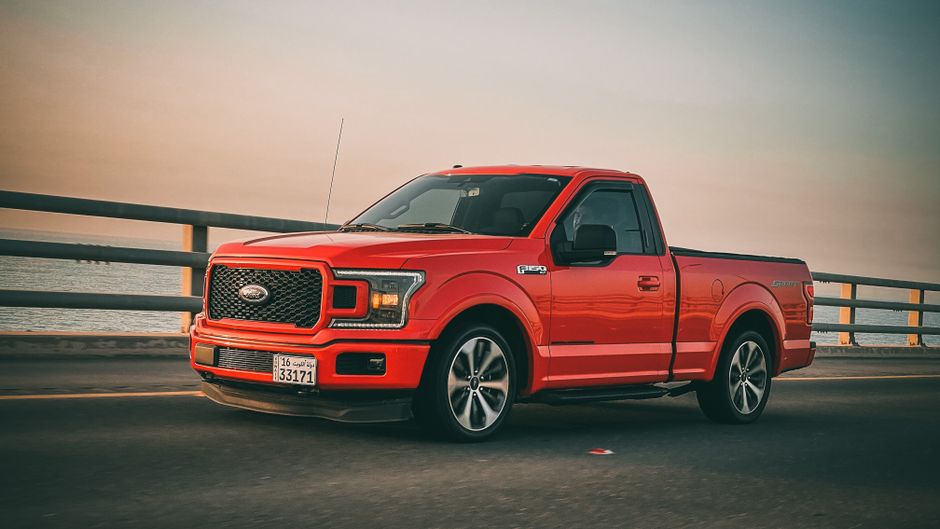
Fuel economy is an important consideration when choosing a vehicle, particularly for drivers who regularly travel across Alberta. From daily commuting in Edmonton to longer highway journeys and trips through rural areas, driving conditions can have a noticeable impact on fuel consumption. Ford offers a diverse lineup of cars, SUVs, and pickup trucks with different engine configurations and efficiency ratings. Buyers researching their options through an Edmonton Ford Dealership should look beyond advertised mileage figures and consider how climate, driving habits, vehicle size, and engine selection influence real-world fuel economy. Understanding these factors can help you choose a Ford that balances performance, practicality, and operating costs.
Understand Official Fuel Economy Ratings
Before comparing different Ford models, it is important to understand how fuel economy ratings are calculated. In Canada, Natural Resources Canada (NRCan) publishes fuel consumption information for new vehicles. These ratings generally include city, highway, and combined fuel consumption figures, measured in litres per 100 kilometres (L/100 km).
A lower L/100 km figure indicates that a vehicle uses less fuel to cover the same distance. However, official ratings are based on standardized testing conditions and may differ from what drivers experience on Alberta roads.
For example, a vehicle with a lower highway consumption rating may be suitable for someone who frequently travels between Edmonton and surrounding communities. Meanwhile, drivers who spend more time in urban traffic should pay closer attention to city fuel consumption.
Comparing ratings across similar vehicle categories can provide a more realistic understanding of efficiency. A compact SUV should generally be compared with other compact SUVs rather than a full-size pickup with different performance requirements.
Consider Alberta’s Cold Winter Conditions
Alberta’s winter weather is one of the most important factors to consider when evaluating fuel economy. Temperatures can fall significantly below freezing, particularly during the winter months, and cold conditions can increase fuel consumption.
Engines typically require additional energy to reach their operating temperature in colder weather. Engine oil also becomes thicker at low temperatures, which can increase internal resistance during startup.
Drivers may also use cabin heating, heated seats, heated steering wheels, and rear-window defrosters more frequently during winter. These comfort features can contribute to additional energy consumption, depending on the vehicle’s powertrain.
Frequent cold starts and short journeys can make the situation more noticeable. A vehicle that is driven for only a few kilometres at a time may not reach its ideal operating temperature before the journey ends.
When comparing Ford models, consider how efficiently they perform under the conditions you regularly experience. Winter fuel consumption may differ considerably from the official combined rating.
Compare Gasoline, Hybrid, and EcoBoost Engines
Ford offers different powertrain technologies to meet different driving requirements. Understanding the differences between gasoline, hybrid, and EcoBoost engines can help buyers identify an appropriate balance between performance and fuel consumption.
Traditional gasoline engines remain available across several Ford vehicle categories. Their efficiency depends on engine size, vehicle weight, transmission design, and driving conditions.
Ford EcoBoost engines use turbocharging and direct fuel injection to deliver power from relatively smaller engine configurations. This technology can provide a useful combination of performance and efficiency, although actual fuel consumption depends on how the vehicle is driven.
Hybrid models combine a gasoline engine with an electric motor to reduce fuel consumption under suitable conditions. For example, the Ford Escape Hybrid offers an alternative for drivers who want SUV practicality with hybrid technology.
Hybrid systems can be particularly beneficial in urban driving, where regenerative braking and electric assistance may help improve efficiency. However, cold temperatures can affect battery performance and overall fuel economy.
Rather than assuming one engine type is always more efficient, compare the official ratings and consider your regular driving patterns.
Evaluate City and Highway Driving Habits
Your daily driving routine can have a significant influence on fuel consumption. Edmonton drivers who regularly encounter traffic congestion, intersections, and frequent stops may experience different fuel economy from those who mainly travel on open highways.
Stop-and-go traffic generally requires repeated acceleration and braking, which can increase fuel consumption. Vehicles that spend considerable time idling may also use fuel without covering much distance.
Highway driving can provide more consistent fuel consumption because vehicles often maintain relatively steady speeds. However, travelling at higher speeds, carrying heavy loads, or driving against strong winds can reduce efficiency.
Consider how much time you spend commuting within Edmonton compared with travelling to other Alberta destinations. If most of your journeys involve city traffic, a smaller SUV or hybrid model may be worth comparing. Drivers who regularly travel long distances may prioritize highway efficiency, driving comfort, and fuel tank capacity.
Matching the vehicle to your actual driving habits is more useful than relying on a single advertised fuel economy figure.
Understand How Vehicle Size and Weight Affect Efficiency
Vehicle size and weight are important factors when comparing Ford fuel economy. Larger vehicles generally require more energy to accelerate and maintain movement, although engine technology and vehicle design can influence the final results.
For example, the Ford Escape is a compact SUV, while the Ford Explorer provides additional passenger space and a larger overall vehicle design. The Ford F-150 is a pickup truck designed to offer greater utility and hauling capability.
These vehicles serve different purposes, so their fuel consumption figures should be evaluated according to their intended use.
A larger SUV may be a practical choice for families who regularly carry several passengers and additional luggage. Similarly, a pickup truck may be necessary for people who need towing or payload capability.
However, choosing a larger vehicle than necessary can increase everyday operating expenses. Consider your passenger requirements, cargo needs, and regular driving activities before deciding which Ford category is appropriate.
Consider Four-Wheel Drive and All-Wheel Drive
Alberta drivers may prioritize additional traction when selecting a vehicle for winter conditions. Ford offers available all-wheel-drive and four-wheel-drive systems across selected models, although availability depends on the vehicle and configuration.
These systems can help distribute power to the wheels that need additional traction. This can be useful when travelling on snowy roads, slippery surfaces, or certain uneven driving conditions.
However, additional drivetrain components can increase vehicle weight and mechanical complexity, potentially affecting fuel consumption. The actual difference depends on the model and powertrain.
Buyers should consider whether AWD or 4WD is necessary for their regular journeys. Drivers who frequently travel on rural roads or encounter challenging winter conditions may find the additional capability worthwhile.
It is also important to remember that these systems do not replace suitable winter tires or careful driving. Tire quality and driving behaviour remain essential for maintaining traction.
Check Tire Pressure and Seasonal Tire Choices
Tires play an important role in fuel economy because they influence rolling resistance. Underinflated tires create additional resistance, requiring the engine to use more energy to keep the vehicle moving.
Cold weather can cause tire pressure to decrease, making regular inspections particularly important during Alberta winters.
Follow the manufacturer’s recommended tire pressure rather than the maximum pressure printed on the tire sidewall. Checking pressure when tires are cold can provide a more accurate reading.
Seasonal tire selection also matters. Winter tires are designed to provide better traction in cold conditions, while all-season tires are intended for a broader range of temperatures and road conditions.
The type of tire, tread design, and rolling resistance can influence fuel consumption. Choosing suitable tires helps balance seasonal safety and efficiency.
Account for Cargo, Towing, and Driving Behaviour
Ford trucks and SUVs are often selected for their ability to transport equipment, passengers, and recreational supplies. However, additional weight can increase fuel consumption.
Carrying unnecessary items in the cargo area adds weight, while roof racks and accessories can increase aerodynamic drag. These factors may become more noticeable during highway travel.
Towing a trailer can also significantly affect fuel economy. The additional load requires more power, particularly when accelerating, climbing hills, or travelling at highway speeds.
Driving behaviour is another important consideration. Aggressive acceleration, sudden braking, excessive idling, and consistently high speeds can all contribute to increased fuel consumption.
Maintaining a steady driving style and removing unnecessary cargo can help improve everyday efficiency.
Compare Long-Term Fuel and Maintenance Costs
Fuel economy should be considered alongside the overall cost of vehicle ownership. A vehicle with a slightly higher purchase price may offer lower fuel expenses over time, depending on how frequently it is driven.
Estimate your annual driving distance and compare the fuel consumption ratings of the models you are considering. Using Alberta’s current fuel prices can help you understand the potential difference in yearly expenses.
Maintenance is another important factor. Regular oil changes, air filter inspections, tire rotations, and scheduled servicing help maintain vehicle performance.
Before purchasing, review the manufacturer’s maintenance recommendations and consider the costs associated with the selected engine and drivetrain.
Choosing a Ford That Fits Alberta Driving Conditions
Evaluating Ford fuel economy in Alberta requires more than comparing official consumption figures. Cold winters, highway distances, traffic conditions, vehicle weight, drivetrain selection, and driving habits can all influence real-world efficiency.
The most suitable Ford depends on how you plan to use it throughout the year. Comparing gasoline and hybrid options, reviewing city and highway ratings, and considering seasonal requirements can help you make a practical decision.
By understanding these factors and estimating long-term operating costs, Alberta drivers can choose a Ford that delivers the right balance of fuel efficiency, comfort, and performance.

