


Shopping for a vehicle can feel overwhelming when there are several models, trims, features, and price ranges to consider. Browsing dealership listings is a useful starting point, but knowing how to compare available options can make the process much easier. When exploring Ford inventory in Swansboro, NC, buyers can narrow their choices by considering their driving habits, passenger needs, budget, and preferred vehicle features. A clear approach helps you spend less time browsing unsuitable options and more time finding a vehicle that fits your everyday requirements.
Start by Identifying Your Driving Needs
Before looking through available vehicles, think about how you plan to use your next Ford. Your daily driving routine can help determine which type of vehicle makes the most sense. Someone who mainly commutes through town may prefer a compact car or an SUV with manageable dimensions and convenient parking. A growing family may need additional passenger space, while someone who regularly transports tools or equipment might benefit from a pickup truck.
Consider the roads you usually travel, how many passengers you carry, and whether you frequently take longer trips. Drivers who travel on highways may prioritize comfortable seating, fuel efficiency, and driver-assistance technology. Those who visit outdoor destinations or work sites may place greater importance on cargo capacity, ground clearance, or available four-wheel drive.
Having a clear understanding of these requirements gives you a practical starting point. Instead of comparing every vehicle in the dealership, you can focus on models that offer the features most relevant to your lifestyle.
Explore Different Ford Vehicle Categories
Ford offers several types of vehicles designed for different driving needs. Understanding the main categories can help you navigate inventory more efficiently.
SUVs are popular among buyers who want a combination of passenger comfort, storage flexibility, and everyday versatility. Models such as the Escape, Bronco Sport, and Explorer serve different needs, from routine commuting to family transportation and outdoor activities. Larger options may provide additional seating and cargo space, while smaller SUVs can be easier to maneuver in crowded areas.
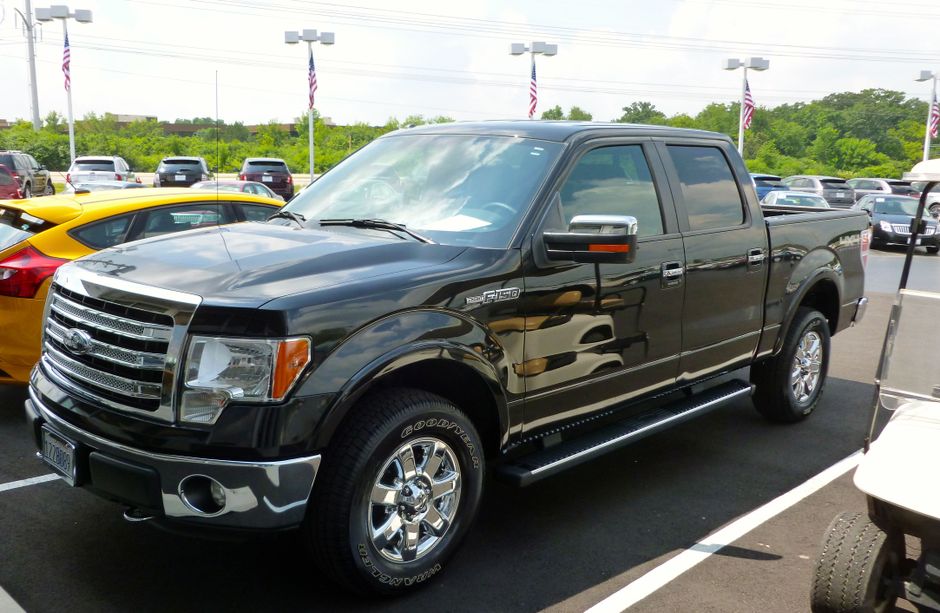
Pickup trucks are another important part of the Ford lineup. The F-150 is known for its broad range of configurations, while the Ranger offers a midsize alternative. Buyers who need a truck for demanding work should compare engine options, towing specifications, payload capacity, and available equipment packages.
Ford’s car and performance offerings may also appeal to drivers with specific preferences. Depending on current availability and model year, shoppers may find vehicles that emphasize efficiency, distinctive styling, or performance-oriented driving.
Use Online Inventory Filters Effectively
Dealership websites often provide search filters that make it easier to narrow down available vehicles. These tools can save time when inventory includes several models with different configurations.
Start by selecting the vehicle category that matches your needs. You can then refine the results by model, price range, model year, mileage, drivetrain, and other available specifications. If you are comparing new and used vehicles, make sure the search is set to the correct inventory type.
Price filters are especially useful, but it is important to consider the full cost of ownership rather than focusing only on the advertised price. Insurance, fuel, maintenance, taxes, and financing costs can influence your overall budget.
You should also pay attention to the details provided in individual listings. Photos, feature descriptions, vehicle identification numbers, mileage information, and equipment details can help you determine whether a particular vehicle deserves a closer look. If important information is missing, contact the dealership for clarification before making a trip.
Compare Trim Levels and Available Features
Choosing the right Ford model is only part of the process. Many vehicles are available in multiple trim levels, each offering a different combination of comfort, technology, appearance, and performance features.
For example, an entry-level trim may provide the essential equipment needed for everyday driving, while higher trims may include upgraded upholstery, larger displays, premium audio systems, advanced driver-assistance features, or additional convenience options.
Think carefully about which features you will actually use. A panoramic roof, heated seats, upgraded sound system, or advanced parking assistance may be appealing, but they should be considered alongside your budget and priorities.
It is also important to compare specific equipment rather than relying entirely on trim names. Features can vary by model year, optional packages, and individual vehicle configuration. Reading the listing carefully or asking a dealership representative can help you avoid assuming that a vehicle includes equipment that is not installed.
Consider New, Used, and Certified Pre-Owned Vehicles
Ford inventory may include new, used, and certified pre-owned vehicles, giving buyers several ways to approach their purchase.
A new vehicle can provide the latest available technology, current design features, and a manufacturer warranty. Buyers can also explore different configurations depending on dealership availability. However, new models generally come with a higher purchase price than comparable used vehicles.
Used Ford vehicles can offer more flexibility for shoppers working within a specific budget. You may find previous model years with features that meet your needs at a lower price. Before purchasing, review the vehicle’s mileage, maintenance records, ownership history, and overall condition.
Certified pre-owned vehicles may provide another option. Eligible vehicles generally undergo a manufacturer-defined inspection process and may include additional warranty coverage or other program benefits. Certification requirements vary, so review the specific terms and conditions rather than assuming every certified vehicle offers identical protection.
Check Availability Before Visiting the Dealership
Online listings can help you identify vehicles of interest, but inventory information may change as vehicles are sold, reserved, or added to the dealership’s stock. Before visiting, contact the dealership to confirm that your preferred vehicle is still available.
Ask whether the vehicle is physically on the lot, whether it is available for a test drive, and whether the advertised configuration matches the online description. If you are interested in more than one model, you can ask whether both are available for comparison during the same visit.
It is also useful to request clarification about advertised pricing. Special offers, rebates, financing promotions, and eligibility requirements can affect the final amount. Confirm which incentives apply to your situation and ask about any additional fees that may be included in the purchase agreement.
Evaluate Practical Specifications
Vehicle specifications help you understand whether a model can handle your everyday requirements. However, the most important specifications depend on the type of vehicle you are considering.
SUV shoppers may want to compare passenger capacity, rear cargo space, seating arrangements, and fuel economy. These details are particularly relevant for families and people who regularly carry luggage or recreational equipment.
Truck buyers should examine towing and payload ratings carefully. These figures can vary based on engine, cab configuration, drivetrain, bed length, and installed equipment. If you intend to tow a trailer or carry heavy materials, check the specifications for the exact vehicle rather than relying on general model information.
Drivers considering an electric or hybrid Ford should review driving range, charging requirements, available charging equipment, and local charging access. Understanding these practical details can help you decide whether the vehicle fits your regular routine.
Arrange a Test Drive
A test drive is one of the most valuable steps when comparing vehicles. Specifications and photographs cannot fully communicate how a vehicle feels on the road.
During the drive, pay attention to seating comfort, visibility, steering response, braking, acceleration, and cabin noise. Try the infotainment system and check whether the controls are easy to reach. If you regularly carry passengers, consider bringing them along so they can assess the available space.
For an SUV, test how easily passengers enter and exit the vehicle and whether the cargo area meets your expectations. For a truck, consider the driving position, maneuverability, and visibility when parking. A test drive can reveal practical differences between vehicles that may look similar online.
Review Financing and the Total Purchase Cost
Once you have identified a suitable vehicle, review the financial details before making a decision. Consider your down payment, monthly budget, loan term, interest rate, and estimated insurance costs. A lower monthly payment does not always mean a lower overall purchase cost, particularly when the financing term is extended.
If you have a vehicle to trade in, research its approximate market value and ask how the dealership will evaluate it. Comparing the trade-in amount with other available options can help you understand the financial impact of the transaction.
Request a clear breakdown of the purchase price, taxes, registration costs, documentation fees, optional products, and any applicable incentives. Reviewing these details carefully can reduce confusion when it is time to finalize the agreement.
Make Your Final Choice with Confidence
Navigating Ford inventory becomes easier when you approach the process with clear priorities. Start with your driving needs, explore suitable vehicle categories, compare trim levels, and use online filters to narrow your options. Then verify availability, review specifications, and arrange test drives before making a final decision.
The right vehicle should offer more than an attractive price or appearance. It should provide the comfort, capability, technology, and long-term practicality that support your daily routine. Taking time to compare available options helps you make a more informed purchase and choose a Ford that meets your expectations.

