


A kitchen can be wiped down twice and still look dirty. The quartz counter shows a cloudy film in the afternoon light, the stainless refrigerator door carries a handprint that was not there a minute ago, and the plank floor near the sink has pale streaks where the mop passed. Nothing has been missed, exactly. These materials are smooth, flat, and hard, and that is precisely why every mark stands out.
Quartz, stainless, and luxury vinyl plank are the three finishes CJS Cleaning Solutions names when it describes cleaning newer homes, saying they show every smudge and fingerprint. That observation matches what most people notice after moving into a recently built or renovated house: the surfaces look impressive on the first day and then reveal every cloth, product, and habit.
Each of the three needs different handling, and getting it wrong usually produces the very streaks and film people are trying to remove. This article explains why modern surfaces show so much, how to clean each one, and what to tell the cleaning services you hire if someone else will be doing the work.
Why Smooth Modern Surfaces Show So Much
Older finishes often hid dirt without anyone intending it to. Textured laminate, grained wood, and matte tile break up reflected light, so a fingerprint or a dried water spot blends into the pattern. Smooth, low-pore surfaces do the opposite. Light reflects evenly off them, which means anything that changes the surface, such as skin oil, soap film, or mineral spots from evaporated water, shows up as a visible patch.
Oil is the main culprit on stainless steel, because the metal does not absorb it. Quartz holds up well to staining because it is a dense, non-porous surface, but that same density lets a film of cleaner or hard-water residue sit on top where light catches it. Vinyl plank has a protective wear layer that is easy to clean but quick to show residue, and anything left behind by a mop dries into pale streaks.
Because these finishes are now common in newer kitchens and bathrooms, the method matters whether the work is done at home or arranged through cleaning services chapel hill nc, since the same wrong product leaves the same streaks either way. The good news is that the rules are short: use very little product, use clean microfiber, and finish by drying.
Cleaning Quartz Without Leaving a Film
Most quartz manufacturers recommend nothing stronger than warm water and a mild dish soap on a soft cloth. The film that makes a counter look cloudy is usually the cleaner itself, because heavy sprays and fragranced products leave residue that dries on the surface. Wipe with a lightly soapy cloth, rinse with a second cloth dampened with clean water, and dry with microfiber, which removes the last traces and brings back an even shine.
Quartz is tougher than it looks in some ways and more sensitive in others. It resists stains, but harsh chemicals such as bleach, oven cleaner, and paint remover can dull or discolor the surface, and abrasive pads leave scratches. Heat is another risk. A hot pan placed straight on the counter can damage the resin that binds the stone, so use trivets. For dried food, soften the spot with a damp cloth and lift it with a plastic scraper instead of a metal blade. If a stain will not respond to gentle cleaning, check the manufacturer’s care guide before trying anything stronger.
Stainless Steel: Work With the Grain
Stainless steel has a faint grain, like brushed lines, and wiping against it can leave scratches or streaks. Look closely at the surface to find the direction, then wipe along it with a soft microfiber cloth dampened with warm water and a little mild dish soap. Rinse the cloth, wipe again with plain water, and dry right away along the grain. Standing water is what causes the spots, so drying matters more than the product.
Fingerprints respond to a few more steps. A cloth with a small amount of a cleaner made for stainless can lift oils, and some people finish with a tiny drop of mineral oil, buffed until nearly invisible. Too much oil attracts dust and leaves a greasy film, so less is better. Hard-water spots usually come off with a cloth dampened with diluted white vinegar, rinsed and dried, if the manufacturer allows it. Avoid steel wool, abrasive powders, and chlorine bleach, which can scratch or pit the surface, and check the appliance manual first, since some stainless is coated to resist fingerprints and only tolerates specific products.
Luxury Vinyl Plank: Less Water, Fewer Streaks
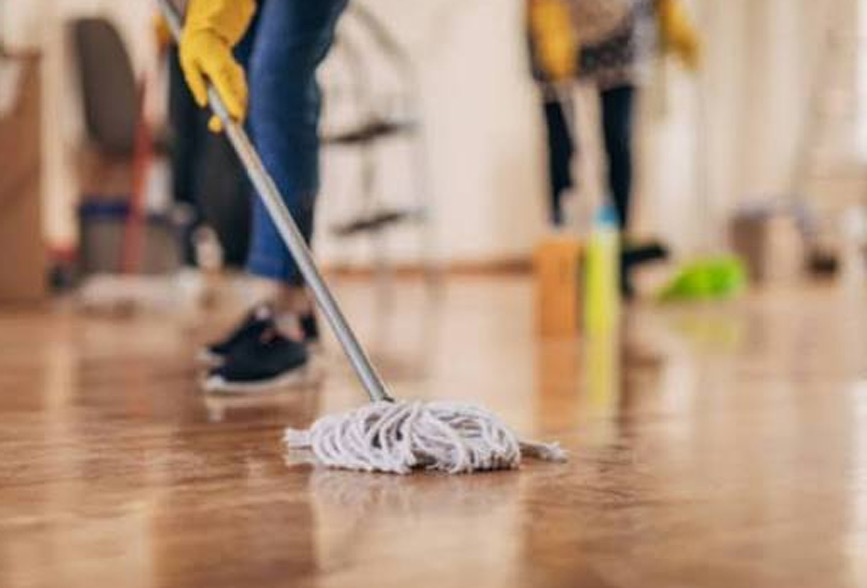
Vinyl plank floors are usually forgiving, which leads people to over-clean them. Start dry: vacuum with a hard-floor setting or sweep with a soft broom to remove grit, which scratches the wear layer when it is dragged under a mop. Then use a well-wrung microfiber mop with a pH-neutral cleaner made for vinyl, or plain water for light dirt. The floor should look slightly damp and dry within a minute or two. If it stays wet, there is too much liquid, and the excess can work into seams.
The streaks people see on vinyl planks are almost always residue. Using too much cleaner, mopping with dirty water, or applying oil soap or wax leaves a film that dulls the finish and shows every footprint. Rinse the mop head often, change the water when it turns gray, and skip polishes. Steam mops are best avoided, because heat and moisture can damage some vinyl floors and may void a warranty. Felt pads under furniture and a mat at the door prevent most of the scratches that make a floor look worn before its time.
Keeping Surfaces Looking Clean Between Cleanings
Small habits take care of most of the visible problems. Keep a dry microfiber cloth near the kitchen and wipe handles, counters, and the refrigerator door at the end of the day, before oils and splashes dry. Wipe water from around the faucet and the stove edge after use. Place mats at entrances so grit stays off the floor, and use a trivet or board for hot cookware.
How often the deeper cleaning happens depends on the household. CJS Cleaning Solutions points to weekly service as the better fit for homes with kids, pets, or heavy foot traffic, while bi-weekly suits most other homes, a distinction that makes sense for finishes that show handprints and paw marks within hours.
Telling Someone Else How to Treat Your Finishes
When cleaning services visit a home with modern finishes, a short note prevents most problems. Say which products you want used on the quartz, mention that the stainless may have a fingerprint-resistant coating, and point out whether the vinyl plank warranty rules out steam. A cleaner who knows the materials in advance does not have to guess, and a guess is how streaks and dull patches begin.
CJS Cleaning Solutions lists knowing how to treat every finish with care among its strengths, and that is worth turning into a practical question for any company: what does it use on each surface, and what does it avoid?
Clean Surfaces Come Down to Less Product
Modern finishes look cleanest when they are cleaned least aggressively. A little soap, a lot of rinsing, microfiber, and a final dry wipe do more than any stronger product, and they protect the surface at the same time. Whether the routine is yours or handled by cleaning services, the rules stay the same: match the method to the material, keep water and residue to a minimum, and treat streaks as a sign that something was left on the surface, not that more scrubbing is needed.

