


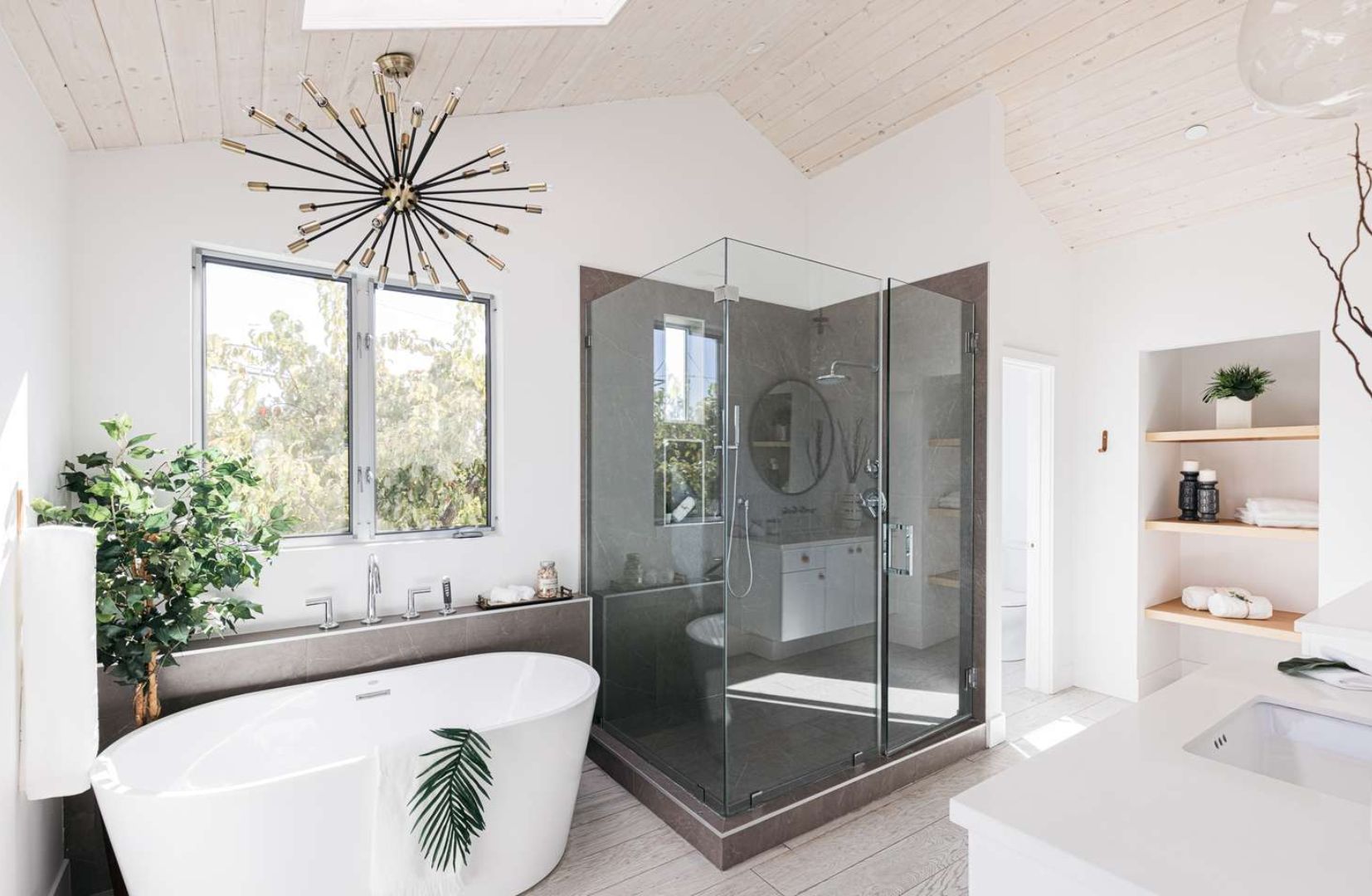
The shower is one of the most frequently used areas in a home, yet it is often overlooked when homeowners think about improving their living spaces. An outdated shower can affect more than appearance. Cracked surfaces, poor drainage, insufficient storage, worn fixtures, difficult access, inadequate lighting, and deteriorating grout can make everyday routines less convenient and less comfortable. A carefully planned renovation provides an opportunity to address these concerns while creating a space that feels cleaner, more attractive, and easier to maintain. Modern Shower Remodels can range from straightforward updates to complete transformations involving new surfaces, plumbing fixtures, storage solutions, lighting, accessibility features, and improved layouts.
Understanding the Goals of a Shower Renovation
Before selecting tiles or fixtures, homeowners should determine what they want the renovation to accomplish. Some projects are primarily intended to update an outdated appearance, while others focus on improving functionality, increasing storage, addressing water damage, or making the shower easier to access. Defining these priorities early can help guide decisions throughout the project.
A shower that looks attractive but has poor drainage or insufficient storage may not provide the practical improvement a homeowner expects. Likewise, replacing fixtures without addressing underlying moisture damage may leave important problems unresolved. The best renovations consider appearance and performance together.
Homeowners should evaluate how the shower is currently being used. Is it shared by several members of the household? Does it need additional shelving? Is the existing entry difficult to navigate? Does the water pressure feel inconsistent? Are there signs of leaks or deteriorating grout? Answering these questions creates a clearer picture of what needs to change.
Planning the Layout
Layout is one of the most important decisions in a shower renovation because the available space directly influences comfort and usability. Even a relatively small bathroom can feel significantly different when fixtures and surfaces are arranged efficiently.
The position of the shower entrance, controls, showerhead, shelves, niches, and other fixtures should be considered together. The door should open in a practical direction without interfering with other bathroom fixtures. The location of plumbing connections may also influence how easily the layout can be changed.
A professional assessment can help determine whether the existing configuration should be retained or modified. Moving plumbing can increase project complexity and cost, but a better layout may provide significant long-term benefits when the existing arrangement is particularly inconvenient.
Homeowners should also think about circulation outside the shower. The renovation should not create an entrance that feels cramped or difficult to use. Planning the complete bathroom rather than viewing the shower as an isolated feature can produce a more cohesive result.
Choosing Durable Shower Materials
Shower materials need to withstand frequent exposure to water, humidity, cleaning products, and temperature changes. Appearance is important, but durability and maintenance should receive equal consideration.
Tile remains a popular choice because it is available in a wide variety of colors, sizes, textures, and patterns. Large-format tiles can create a cleaner visual appearance with fewer grout joints, while smaller tiles may provide greater flexibility for certain shapes and design details.
Natural stone can create a distinctive appearance but may require more maintenance depending on the material and finish. Porcelain and ceramic options can offer a broad range of styles while providing surfaces suitable for wet environments when properly installed.
Wall panels and other modern shower-surface systems are additional possibilities. These products can provide fewer seams and may simplify cleaning compared with traditional tile installations. The appropriate material depends on the homeowner’s design preferences, budget, maintenance expectations, and the characteristics of the bathroom.
Waterproofing as a Critical Foundation
A shower renovation should never treat waterproofing as an optional detail. Water inevitably reaches shower walls and floors, so the system behind the visible surfaces needs to be designed to manage moisture appropriately.
Tile and grout themselves should not be assumed to provide complete waterproofing. A properly designed shower assembly generally includes an appropriate waterproofing system behind or beneath the finished surfaces. Seams, corners, penetrations, niches, and transitions require careful attention because these areas can become vulnerable to water intrusion if they are improperly installed.
Poor waterproofing may not produce an immediate visible problem. Moisture can sometimes remain hidden behind walls or beneath floors until deterioration becomes significant. By that point, repairs can involve much more than replacing a few tiles.
This is why professional installation is particularly valuable for shower renovations. Proper preparation and waterproofing create the foundation for the visible design features and help protect the surrounding structure.
Selecting the Right Fixtures
Fixtures can have a significant influence on both the appearance and functionality of a shower. Showerheads, handheld sprays, controls, valves, drains, and other components are available in many designs and finishes.
A handheld showerhead can provide additional flexibility for rinsing and cleaning. Multiple shower outlets may create a more spa-like experience, although additional plumbing requirements should be considered before installation.
Controls should be positioned where they can be reached comfortably and operated safely. Some homeowners prefer thermostatic controls that help maintain a consistent water temperature, while others may choose simpler pressure-balancing systems.
The finish should complement other bathroom hardware, but durability is also important. Brushed, polished, matte, and other finishes each create different visual effects and may have different maintenance characteristics. Choosing a coordinated set can help the bathroom feel intentionally designed rather than assembled from unrelated components.
Improving Storage
Storage is often one of the most overlooked elements of shower design. Bottles, soaps, razors, sponges, and other personal-care products need convenient places to stay without cluttering the floor or ledges.
A built-in niche can provide recessed storage while maintaining a clean appearance. Its dimensions should be planned according to the products that will actually be stored there. The position also matters; frequently used items should be within comfortable reach without interfering with movement.
Corner shelves and wall-mounted solutions can provide alternatives when a recessed niche is impractical. The choice should take into account the shower’s size, wall construction, waterproofing system, and desired appearance.
Good storage design is not only about adding more shelves. It is about creating organized space that is easy to access and easy to clean.
Improving Accessibility and Safety
A shower renovation provides an excellent opportunity to consider accessibility. Even when a household does not currently require accessibility features, designing for easier use can provide long-term benefits.
A low-threshold or curbless entry can make stepping into the shower easier. Grab bars can provide additional support when properly positioned and securely installed. Built-in or fold-down seating may also improve comfort for individuals who prefer to sit while bathing.
Slip resistance should receive particular attention because wet surfaces can become hazardous. The flooring material should be selected with both appearance and traction in mind.
Accessibility features do not have to make a shower look institutional. Modern designs can incorporate supportive features in a way that complements the overall style of the bathroom. Planning these details during the renovation is usually more practical than attempting to add them later.
Choosing the Right Lighting
Lighting can dramatically change the appearance and usability of a shower. A poorly lit space may feel cramped or uncomfortable, while appropriately designed lighting can make the area brighter and more inviting.
Lighting should be suitable for wet environments and installed according to applicable electrical and building requirements. Recessed fixtures, ceiling-mounted lights, and other options can provide general illumination, while additional lighting may be useful around niches or other areas.
The color temperature of the lighting can also influence the atmosphere. Warmer light can create a relaxing appearance, while neutral or cooler light may provide a brighter, more functional feel.
Natural light can be valuable as well, although privacy and moisture considerations need to be addressed when incorporating windows or skylights into a shower area.
Selecting a Shower Door or Enclosure
The shower enclosure contributes to both functionality and visual design. Frameless glass can create an open appearance and allow decorative tilework to remain visible, while
framed or semi-frameless options may provide a different aesthetic and cost profile.
The size and configuration of the bathroom should influence the choice. A swinging door requires adequate clearance, while a sliding enclosure may be useful where floor space is limited. Fixed glass panels can also create a minimalist appearance while simplifying the entry design.
Hardware should be selected carefully because hinges, handles, supports, and other components need to withstand regular exposure to moisture. Proper installation is essential for ensuring that the enclosure operates smoothly and remains securely positioned.
Managing Moisture and Ventilation
Good ventilation is an essential part of any bathroom renovation. Showers generate substantial moisture, and without appropriate ventilation, humidity can remain elevated for extended periods.
An effective exhaust system can help remove moist air and support healthier bathroom conditions. The fan should be appropriate for the space and installed correctly, with the exhaust directed according to applicable building requirements.
Homeowners should also consider everyday habits. Allowing surfaces to dry between uses, keeping shower areas reasonably clean, and addressing leaks promptly can help reduce moisture-related problems.
Persistent condensation, musty odors, discoloration, or deterioration should not be ignored. These signs may indicate inadequate ventilation or an underlying moisture issue that requires investigation.
Budgeting for the Project
Budget planning should account for more than visible materials. Labor, demolition, plumbing, waterproofing, electrical work, fixtures, disposal, permits where applicable, and finishing work can all contribute to the total cost.
Homeowners should establish priorities before choosing materials. If waterproofing and structural preparation are essential, they should take precedence over purely decorative upgrades. Once the critical elements are accounted for, the remaining budget can be allocated to finishes and accessories.
A contingency allowance is also useful because renovation projects can reveal hidden conditions. Water damage behind existing surfaces, outdated plumbing, damaged subflooring, or unexpected structural issues may require additional work.
Getting detailed written estimates can help homeowners compare the scope of different proposals. A lower price does not necessarily represent a better value if important preparation or waterproofing work has been excluded.
Avoiding Common Renovation Mistakes
One of the most common mistakes is focusing on the appearance while overlooking the structure beneath it. Attractive tile cannot compensate for poor waterproofing, inadequate drainage, or improperly installed plumbing.
Another mistake is selecting materials without considering maintenance. Highly textured surfaces or excessive grout joints may require more cleaning than homeowners expect. The best choice depends on how much time and effort the household is willing to spend maintaining the shower.
Poor ventilation is another concern. Even a beautifully renovated shower can develop moisture-related issues if humid air is not properly managed.
Homeowners should also avoid changing major design elements late in the project whenever possible. Moving fixtures after plumbing has been installed can add labor and material costs. Finalizing the layout and major selections before construction begins can help maintain a more predictable process.
Working With Experienced Professionals
A shower renovation may involve several specialized trades, including plumbing, electrical work, waterproofing, tile installation, glass installation, and general construction. Coordinating these elements properly is essential.
An experienced remodeling professional can help establish the sequence of work and identify potential conflicts before construction begins. The homeowner should receive a clear explanation of the proposed scope, materials, timeline, and payment structure.
Professional workmanship is particularly important for waterproofing and tile installation because mistakes in these areas can be difficult to identify until damage has already occurred. Experienced installers understand how to prepare surfaces, maintain appropriate slopes, manage transitions, and follow manufacturer requirements.
For larger Shower Remodels, homeowners should also confirm whether permits or inspections are required and ensure that the work follows applicable building and electrical standards.
Creating a Design That Lasts
Trends can be useful sources of inspiration, but a shower renovation is a long-term investment. A design that relies entirely on a short-lived trend may become dated quickly. A more durable approach combines timeless materials with carefully selected decorative details.
Neutral surfaces can provide a flexible foundation, while accessories, hardware, lighting, and decorative elements can introduce personality. If preferences change later, these smaller elements are generally easier to update than the shower’s underlying structure.
Proportion is also important. Large bathrooms can accommodate bold patterns and substantial fixtures, while smaller spaces may benefit from simpler visual elements that prevent the room from feeling crowded.
The objective should be to create a shower that looks attractive today but remains comfortable, practical, and visually appealing as household needs evolve.
Maintaining the Finished Shower
Proper maintenance helps preserve the investment after construction is complete. Regular cleaning can prevent soap residue, mineral deposits, and dirt from accumulating on surfaces. The appropriate cleaning products should be compatible with the installed materials, particularly when natural stone or specialized finishes are involved.
Grout and sealant should be inspected periodically for cracking, separation, discoloration, or other changes. Small issues can sometimes be addressed before they become larger moisture problems.
The shower door and hardware should also be checked for smooth operation. Leaking seals, loose handles, or misaligned doors should be addressed promptly.
Ventilation should remain functional as well. Keeping exhaust fans clean and using them appropriately during and after showers can help manage humidity.
Conclusion
A shower renovation is an opportunity to improve one of the most frequently used spaces in a home while addressing practical concerns that may have been overlooked for years. From layout and waterproofing to fixtures, storage, lighting, accessibility, and ventilation, every component contributes to the final result.
Well-planned Shower Remodels should combine attractive design with reliable construction and everyday functionality. Choosing durable materials, investing manageable when homeowners establish priorities before construction begins and work with experienced professionals who understand the technical requirements involved. A realistic budget, household’s needs rather than simply following a popular design trend. A thoughtfully designed space can provide an improved turn from an outdated or inconvenient shower into a functional and attractive part of the home that in proper waterproofing, selecting suitable fixtures, and planning storage carefully can make the finished space easier to use and maintain.
The renovation process becomes more manageable when homeowners establish priorities before construction begins and work with experienced professionals who understand the technical requirements involved. A realistic budget, detailed project plan, and allowance for unexpected conditions can also reduce unnecessary stress.
Ultimately, the best shower renovation is one that fits the household’s needs rather than simply following a popular design trend. A thoughtfully designed space can provide improved comfort, easier maintenance, better organization, and a more enjoyable daily routine. With careful planning and quality workmanship, Shower Remodels can turn an outdated or inconvenient shower into a functional and attractive part of the home that continues to provide value for years.

