


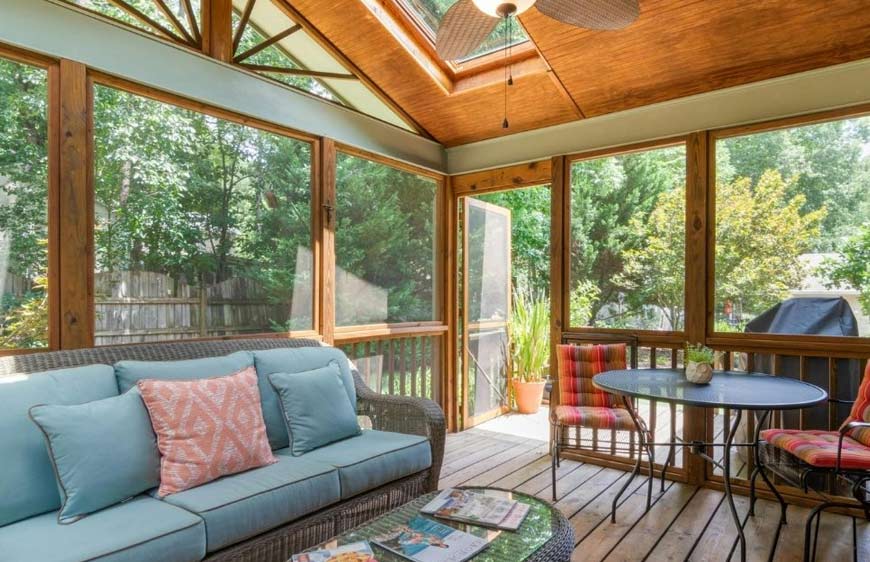
A covered porch can be one of the most enjoyable parts of a home, especially when it offers a comfortable place to relax, spend time with family, or enjoy the backyard. However, an open porch also comes with limitations. Mosquitoes can make evenings unpleasant, wind may scatter lightweight furniture, and unexpected rain can interrupt an otherwise relaxing afternoon.
Enclosing the porch offers a way to make the space more practical, but choosing the right design requires careful consideration. Screened and glass porch enclosures provide different levels of protection, ventilation, and seasonal comfort. Homeowners exploring options from Speaks Custom Windows and Doors or other home improvement providers should understand these differences before deciding which approach suits their needs.
The best choice depends on how often you plan to use the space, the amount of outdoor exposure you want, and whether the existing structure can support the proposed changes. Understanding what each enclosure offers can help you create a space that fits your lifestyle without unnecessary construction expenses.
What Is the Difference Between a Screened Porch and a Glass Enclosure?
Both designs create a defined outdoor living area, but they serve different purposes.
A screened-in porch uses mesh panels to keep most insects out while allowing fresh air to circulate freely. It maintains the feeling of sitting outdoors, with additional protection from common pests and debris.
A glass enclosure uses framed glass panels or windows to provide a more substantial barrier against wind and rain. Depending on the construction, the panels may be fixed, sliding, or designed to open for ventilation.
How the Experience Changes
With screens, you can hear birds, feel outdoor breezes, and enjoy surrounding sounds without much separation from the yard.
Glass creates a quieter and more sheltered environment. It can also make furniture and other belongings less exposed to windblown rain and dust.
Neither design is automatically better. The right option depends on whether you want an improved outdoor seating area or something closer to an additional indoor room.
Screened-In Porches Offer Better Natural Ventilation
One of the strongest advantages of a screened porch is the amount of airflow it allows.
On a pleasant afternoon, a breeze can pass through the screens and help keep the space comfortable without mechanical cooling.
This makes screened porches particularly attractive for homeowners who enjoy spending time outdoors but dislike dealing with mosquitoes and other insects.
What Screens Can and Cannot Protect Against
Screens can significantly reduce insect entry when the panels, doors, and surrounding joints fit properly.
However, they do not stop outdoor humidity, temperature changes, pollen, or wind-driven rain.
Furniture cushions may still become damp during storms, and surfaces can collect dust over time.
For this reason, screened spaces generally work best with outdoor-rated furniture, moisture-resistant flooring, and materials that tolerate changing weather conditions.
Glass Enclosures Provide Greater Protection From the Elements
Glass panels create a stronger barrier between the porch and outdoor conditions.
When properly installed, they can reduce wind exposure, keep out much of the rain, and make the area easier to use during cooler or breezier weather.
This additional protection can be particularly useful for homeowners who want to keep upholstered furniture, decorative items, or other belongings in the space.
Does Glass Make the Porch Suitable for Year-Round Use?
Not necessarily.
A glass enclosure does not automatically become a fully conditioned living area. Its comfort depends on the glazing, roof insulation, floor construction, air sealing, and available heating or cooling.
Single-pane or lightweight enclosure systems may provide excellent weather protection while still allowing substantial heat transfer.
A properly designed four-season space requires a more complete approach to insulation and temperature control.
Before investing in glass porch enclosures, homeowners should decide whether they want basic weather protection or comfortable use throughout the year.
Contractors such as Speaks Custom Windows and Doors may be considered during this planning process, but homeowners should confirm which construction features are included in any proposed enclosure system.
Which Option Is Easier to Maintain?
Maintenance requirements differ because screens and glass respond differently to everyday exposure.
Maintaining a Screened Porch
Screens can collect dust, pollen, and cobwebs. They may also develop tears from pets, branches, or accidental impacts.
Routine cleaning usually involves gently removing debris and washing the mesh with suitable cleaning products.
Damaged screen sections can often be replaced without rebuilding the entire enclosure.
However, the surrounding frames and fasteners must also be inspected for corrosion, movement, or deterioration.
Maintaining a Glass Enclosure
Glass panels require regular cleaning to remove fingerprints, dirt, water spots, and outdoor residue.
Tracks, seals, and moving window components may need occasional attention to maintain smooth operation.
Condensation can become a concern if indoor moisture and surface temperatures are not managed properly.
Although glass does not tear like mesh, damaged panels or specialized window components may be more expensive to repair.
Homeowners should consider how much cleaning and routine maintenance they are comfortable handling before choosing either design.
Consider How Much Privacy You Want
Enclosing a porch can change how visible the space is from neighboring properties.
Standard screens and clear glass both allow people to see through them, particularly during daylight.
Glass may provide additional options, such as frosted sections, decorative glazing, or adjustable window coverings.
Screens can be combined with exterior shades or carefully positioned landscaping for more privacy.
Preserve the Views You Enjoy
Privacy should not come at the expense of the features that make the porch appealing.
If the space overlooks a garden, wooded area, or open backyard, consider how frame placement will affect the view.
Wider panels may create a more open appearance, but structural limitations and the enclosure design will determine what is practical.
Planning furniture positions alongside panel locations can prevent awkward sightlines after construction.
Can Your Existing Porch Support an Enclosure?
Before choosing materials or comparing designs, the condition of the existing porch deserves close attention.
A porch built primarily as an outdoor platform may not have the foundation, framing, or roof connections required for a more substantial enclosed structure.
Structural Details That Matter
A professional assessment may need to consider:
- Foundation condition and load-bearing capacity
- Existing posts, beams, and roof connections
- Decking or floor construction
- Water drainage around the structure
- Wind resistance and attachment methods
- Local building permits and inspection requirements
Glass systems can introduce different loads and performance requirements than lightweight screens.
The project must also account for proper flashing where the enclosure connects to the house.
When comparing porch enclosures, homeowners should prioritize these structural details before selecting decorative finishes.
Speaks Custom Windows and Doors is one company homeowners may include in their research, but any prospective contractor should explain how the proposed design will work with the existing structure.
How Do Installation Costs Compare?
Screened enclosures are often less expensive than more substantial glass systems, but actual costs depend on the size and condition of the porch.
A basic screened installation may require framing, mesh panels, a screen door, and appropriate finishing materials.
Glass projects can involve more costly window systems, additional structural work, improved weather sealing, and specialized installation.
Look Beyond the Initial Price
A lower upfront cost does not always make one option more suitable.
Consider how frequently you intend to use the porch and whether future modifications might be necessary.
For example, installing screens now and converting to insulated glass later may require changes to the framing or foundation.
A detailed proposal should explain what is included, which materials are being used, and whether structural improvements are required.
Avoid assuming that an existing porch can be converted into a fully conditioned room without additional work.
Can You Combine Screens and Glass?
Some enclosure systems allow homeowners to alternate between screened openings and glass panels.
These designs can offer greater flexibility by allowing fresh air during pleasant weather and additional protection when conditions change.
However, the available configurations depend on the framing system, window design, and installation requirements.
Combination systems may also require more maintenance because they include additional moving components and tracks.
Before selecting one, test how easily the panels operate and consider whether the opening arrangement will suit everyday use.
Homeowners exploring flexible porch enclosures through Speaks Custom Windows and Doors or other providers should compare the practical differences between operable panels, removable sections, and fixed glazing.
Choosing the Right Enclosure for Your Lifestyle
A screened porch may be the better choice if you enjoy fresh air, want protection from insects, and prefer an outdoor atmosphere.
A glass enclosure may make more sense if your priorities include reducing wind exposure, protecting furniture, and extending the periods when the space feels comfortable.
Neither design eliminates the need for appropriate construction, drainage, and ongoing maintenance.
Before making a final decision, think about how you will use the space on an ordinary day rather than only imagining special occasions.
Make Your Porch More Useful Without Losing Its Character
The most successful porch improvements preserve what homeowners already enjoy about the space while addressing its limitations. Screens provide airflow and a closer connection to the outdoors, while glass offers greater shelter and potentially more opportunities for extended seasonal use.
Well-designed porch enclosures should balance comfort, structural requirements, appearance, and maintenance. Whether your project involves Speaks Custom Windows and Doors or another qualified contractor, understanding these differences will help you choose an enclosure that complements your home and supports the way you want to spend time there.

