


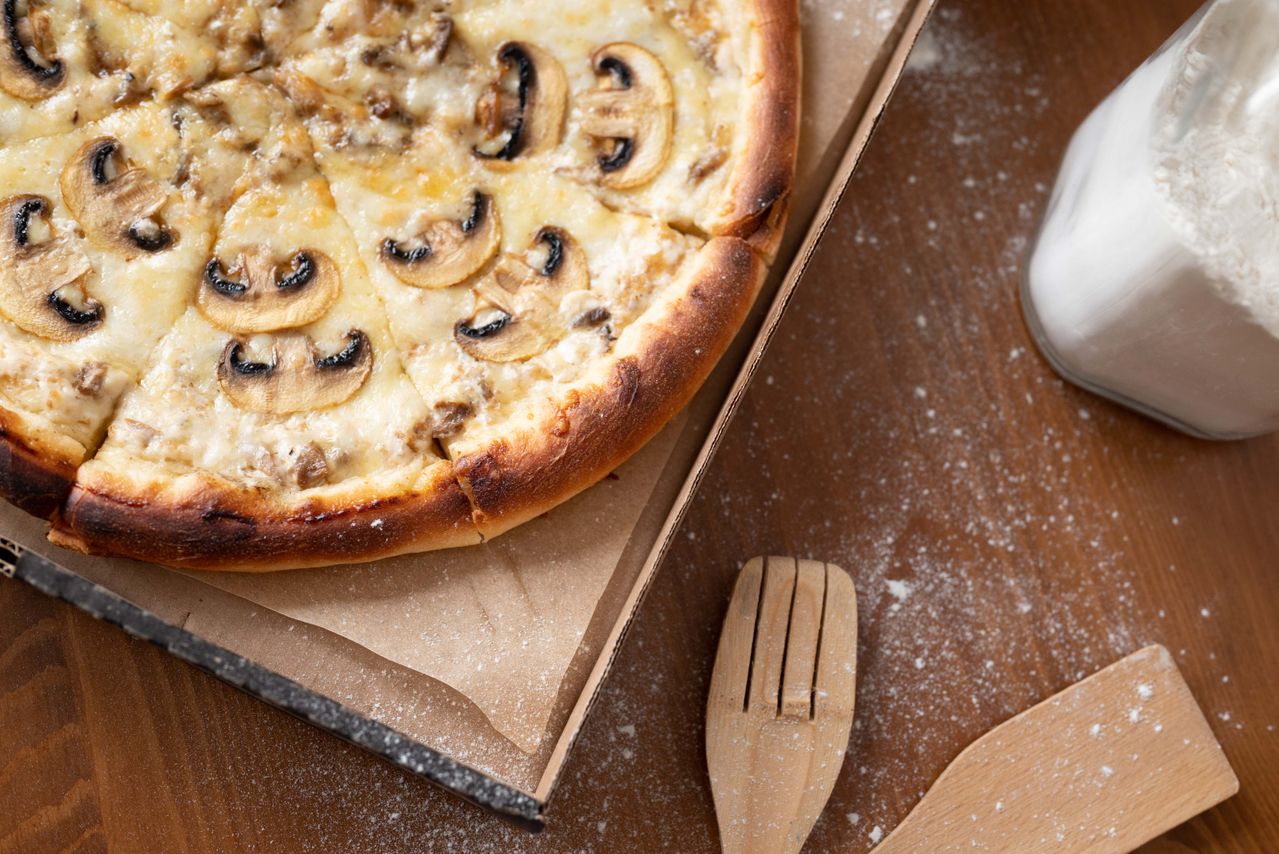
Pizza has remained one of the world’s most beloved foods for centuries, and for good reason. Its versatility, simplicity, and ability to satisfy virtually any craving make it a meal that never goes out of style. Whether you prefer traditional Italian preparations or modern interpretations, certain pizza styles have earned their place as timeless classics. These six varieties represent the foundation of pizza culture and continue to draw enthusiasts from all walks of life. Understanding what makes each one special can deepen your appreciation for this iconic dish and help you explore new flavors whenever hunger strikes.
Neapolitan Pizza
Neapolitan pizza stands as the original and most authentic form of pizza, originating in Naples, Italy, during the 18th century. This style features a thin, soft crust with a slight char on the edges, topped minimally with crushed tomatoes, fresh mozzarella, basil, olive oil, and salt. The simplicity of Neapolitan pizza highlights the quality of each ingredient rather than overwhelming the palate with excessive toppings. Traditional Neapolitan pizzerias use wood-fired ovens that reach temperatures exceeding 800 degrees Fahrenheit, allowing the pizza to cook in just 60 to 90 seconds. The result is a pizza with a light, airy interior and a perfectly blistered crust that balances crispy and tender textures. For anyone seeking an authentic pizza experience, Neapolitan remains the standard against which all other styles are measured.
New York Style Pizza
New York style pizza has become synonymous with American pizza culture and represents a distinct departure from its Italian predecessor. This pizza features a thin, crispy crust sturdy enough to fold without breaking, topped with tomato sauce, mozzarella cheese, and various toppings arranged in generous quantities. The large slices are designed for eating on the go, making this style well suited to busy urban lifestyles. Unlike Neapolitan pizza, New York style uses deck ovens rather than wood-fired ones, cooking at lower temperatures for a longer duration. The resulting crust develops a satisfying crunch while maintaining a chewy interior that complements the abundant toppings. Many people eat this pizza regularly because it offers convenience without sacrificing flavor, making it accessible to nearly everyone.
Chicago Deep Dish Pizza
Chicago deep dish pizza challenges conventional pizza expectations by delivering a thick, buttery crust that rises several inches from the pan. This Midwestern specialty requires a longer baking time than other styles, typically 30 to 45 minutes, allowing the crust to fully develop and crisp while the toppings cook slowly. The construction of Chicago deep dish differs from other varieties in that cheese is layered directly onto the crust, followed by toppings, and finally a thick layer of tomato sauce placed on top. This arrangement prevents the cheese from burning while creating a distinct separation between each component that enhances the eating experience. The generous proportions and hearty nature of deep dish pizza make it ideal for sharing or satisfying substantial appetites. Food enthusiasts often debate whether deep dish qualifies as true pizza, but its devoted fan base ensures this style remains popular across America and beyond.
Sicilian Pizza
Sicilian pizza originates from the island of Sicily and offers a rectangular shape with a thicker, chewier crust than many other varieties. This style traditionally features a generous layer of tomato sauce, cheese, and simple toppings baked in a rectangular pan that allows the entire pie to develop crispy, golden edges. The dough for Sicilian pizza typically contains olive oil, creating a richer flavor profile and more tender crumb structure compared to lighter styles. Toppings are often understated, sometimes consisting of just onions and anchovies or other regional ingredients reflecting Sicilian culinary traditions. For those exploring the local dining scene and searching for quality regional styles, pizza in Bellevue provides a reliable destination for discovering well-crafted classics like Sicilian alongside other beloved varieties. Many people appreciate this style for its balance between thin and thick crust options, providing a satisfying middle ground that appeals to a wide range of preferences.
Margherita Pizza
Margherita pizza represents elegance and simplicity at their finest, named after Queen Margherita of Savoy and designed to honor the Italian flag. This pizza consists exclusively of tomatoes, mozzarella cheese, fresh basil, olive oil, and salt, with no other toppings or distractions. The minimalist approach allows each ingredient’s quality and flavor to stand on its own without competition from additional elements. Margherita pizza demonstrates that excellence does not require complexity, relying instead on ingredient quality and proper technique. This style proves particularly appealing to individuals with specific dietary preferences or those who prefer tasting authentic flavors unmarred by unnecessary additions. Restaurants worldwide offer Margherita pizza as a benchmark for evaluating their overall quality and pizza-making skills.
California Pizza
California pizza emerged in the 1980s and represents a modern, creative approach to pizza making that incorporates non-traditional ingredients and flavor combinations. This style embraces unconventional toppings such as grilled chicken, goat cheese, barbecue sauce, arugula, and fresh vegetables that would rarely appear on classic Italian pizzas. California pizza cooks on a thin, crispy crust that serves as a canvas for the chef’s culinary imagination and contemporary ingredient selections. The style reflects American culinary innovation and the influence of California’s agricultural bounty and diverse food culture. While purists may argue that California pizza strays too far from pizza’s traditional roots, its popularity demonstrates that the format’s adaptability allows for creative exploration and regional interpretation. This style appeals particularly to adventurous eaters seeking new flavor experiences within a familiar format.
Conclusion
These six classic pizza styles each offer distinct qualities that explain their enduring popularity and continued presence on menus everywhere. From the minimalist perfection of Neapolitan and Margherita pizzas to the bold innovations of California pizza, each variety demonstrates pizza’s remarkable ability to evolve while maintaining its fundamental appeal. Whether you prefer thin, crispy crusts or thick, chewy foundations, traditional ingredients or creative combinations, these classics provide options for virtually every taste preference. Pizza’s versatility ensures that no single style completely dominates, allowing all approaches to coexist and thrive in the global pizza landscape. By exploring each of these six varieties, you can discover which resonates most with your personal preferences while developing a deeper understanding of pizza culture and tradition.

