


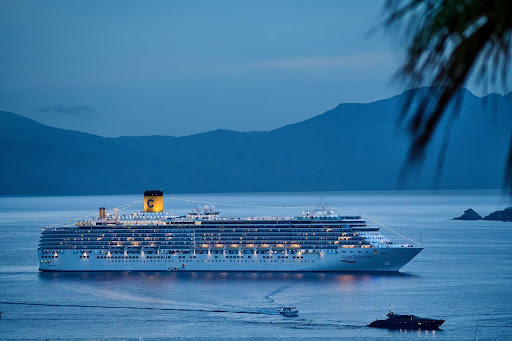
Off the East African coast, granite boulders as large as cathedrals stand out of the water as clear as glass. Further afield, coral atolls feature giant tortoises, nesting seabirds and lagoons rarely glimpsed by visitors. Seychelles has long enjoyed a honeymoon image, but its more exotic side is most evident among visitors who arrive by sea.
There are a few beaches accessible by road. The boat comes to rest. The water isn’t the only way to experience the archipelago without the crowds. That’s the idea, and it starts as soon as the anchor clears the water.
The Sea Becomes the Itinerary
A luxury yacht charter in Seychelles is based on a very simple principle: the schedule is the group’s property. No timings for ferries to be hunted or shared tours to hang around for the last-minute person to get breakfast done. At sunrise, when a lagoon seems promising, the captain turns in that direction with the bow.
If the reef is worth a second morning, the plan moves on to the next reef. It’s freedom that is important in an island chain this far-flung, with the best places located far from airports and resorts. Each day travellers unload their suitcases in a new anchorage. The days are pleasant and flexible, influenced by the tides, the weather and curiosity, not by a printed timetable.
Two Island Worlds Share One Ocean
Seychelles is truly two countries in one. The Inner Islands (Mahé, Praslin and La Digue) are granitic, old rocks that have been fashioned into smooth boulders, surrounded by white sand, and formed from fragments of an ancient supercontinent. The Outer Islands are a different type of low coral formation that has formed over thousands of years, many only slightly above the waves.
The Inner Islands provide abundant forests and convenient beaches. The Outer Islands offer seclusion and spacious lagoons. In one sailing expedition, one can taste both, and going from one landscape to another may require just a few hours of sailing at the most, so each day is new.
Aldabra Atoll Is Where Time Slows Down
Few places in the world are as pristine as Aldabra Atoll. Four coral islands encircle a large shallow lagoon, and the formation is far from urban development. It is given credit on its World Heritage listing for an estimated 152,000 giant tortoises, the largest on the planet, and a new count of the population seems to be closer to 180,000.
Aldabra is the home of the world’s last two populations of wild giant tortoises. The frigate birds form one of the most impressive colonies on planet Earth, and one of the two populations of oceanic flamingos is found in the lagoon. Guided landings make it a gentle experience, and it is as much a living nature reserve as a typical holiday stop.
Praslin and La Digue Deliver the Postcard Moments
The granite group provides the landscape that has made the main islands of Seychelles world-famous. On Praslin, the Vallée de Mai protects an ancient palm forest of approximately 19.5 hectares, and the Coco de Mer is the largest palm seed in the plant kingdom. Five other endemic palms surround it, and the Seychelles black parrot, a rare species, relies on the forest for its survival.
If you go early, before the heat sets in, the place feels prehistoric, with light filtering through huge leaves. La Digue has a more relaxed pace; granite-framed beaches and tranquil lanes are best savoured in a slow car. The islands of Cousin and Aride are smaller, yet have earned their reputation for seabird colonies and nesting turtles.
Life Aboard Feels Like a Floating Private Resort
The yacht is the place to stay when it’s not out on an excursion. A well-run explorer vessel and a small crew that does it all quietly provide boutique-hotel-style comfort without the travel. Typically, the host will offer:
- Generous cabins overlooking the sea and well-designed
- A deck for watching the sunset and the stars.
- After active days, there are saunas and spa treatments.
- Meals prepared in the kitchen using fresh food and dietary requirements. Meals prepared by the chef using fresh food and dietary requirements.
- Tenders, kayaks, paddleboards and snorkelling equipment for hours on the water
Evenings are generally well-structured, with a short update on what to expect the next day, a lengthy meal on deck, and a quiet evening under a clear night sky.
Divers, Families and Dreamers All Get Their Own Route
There’s no need for two journeys to be the same. Reef passes are locations where manta rays, sharks, and hawksbill turtles congregate, and divers can plan their schedules around these passes. At a family reunion, let everyone’s needs be met by combining beach mornings, easy paddles, and short hikes to make it a delight for both grandparents and teens.
Culture-minded visitors may trade in their snorkels for a village stroll. The naturalist guides read the reef and forest like a menu, and the group decides when it’s a good day to make it a great one. The luxury here is flexibility: a plan can change at breakfast without anyone having to rebook or rush.
Zanzibar Adds a Chapter of Spice and History
Some trips head to Tanzania, replacing far-away atolls with the multi-layered history of the Zanzibar archipelago. Spice plantations represent centuries of Swahili trade along the Indian Ocean, the remains of an ancient sultanate, and coral stone architecture. The water is also spectacular, with the potential to swim with whale sharks.
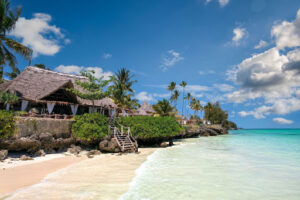
The wanderings along the old streets and the spice markets provide scent and story to the journey, which can help to offset the quiet of the atolls. The combination of the two places creates a unique contrast: days of almost unspoiled nature, followed by a time spent in a living culture.
Timing the Trade Winds Makes All the Difference
Seychelles doesn’t have a true off-season, but rather the winds influence the feel of the sea. Two patterns are important:
- The months of May to September (from the southeast) are drier and cooler, with more active seas.
- Warm, humid, and wet conditions prevail during the northwest monsoon, which occurs from about November through March.
The quietest windows are during the months of April-May and again in October-November, when there are lighter winds and clearer waters, ideal for snorkelling and diving. Considering these changes allows groups to select anchorages that are protected from the prevailing wind.
No matter the month, visitors are responsible for preserving what they were brought to see. Reef-safe habits, respect for wildlife, climate variability and marine litter are among the biggest threats to the atoll’s conservation outlook.
The Horizon Is Still Waiting
Seychelles is open to the curious, and so is the sea. Here you’ll find more space for your feet, more trees for your palms, and no boardwalks; only tortoise trails and birds’ footprints. It’s a combination of comfort and discovery, wildlife and culture, all the way to Zanzibar.
When you get on board, you come back with the same sobering thought: the Indian Ocean has been hiding its best, waiting for the slow comers, those who came by sea, and who took time to wonder.

