


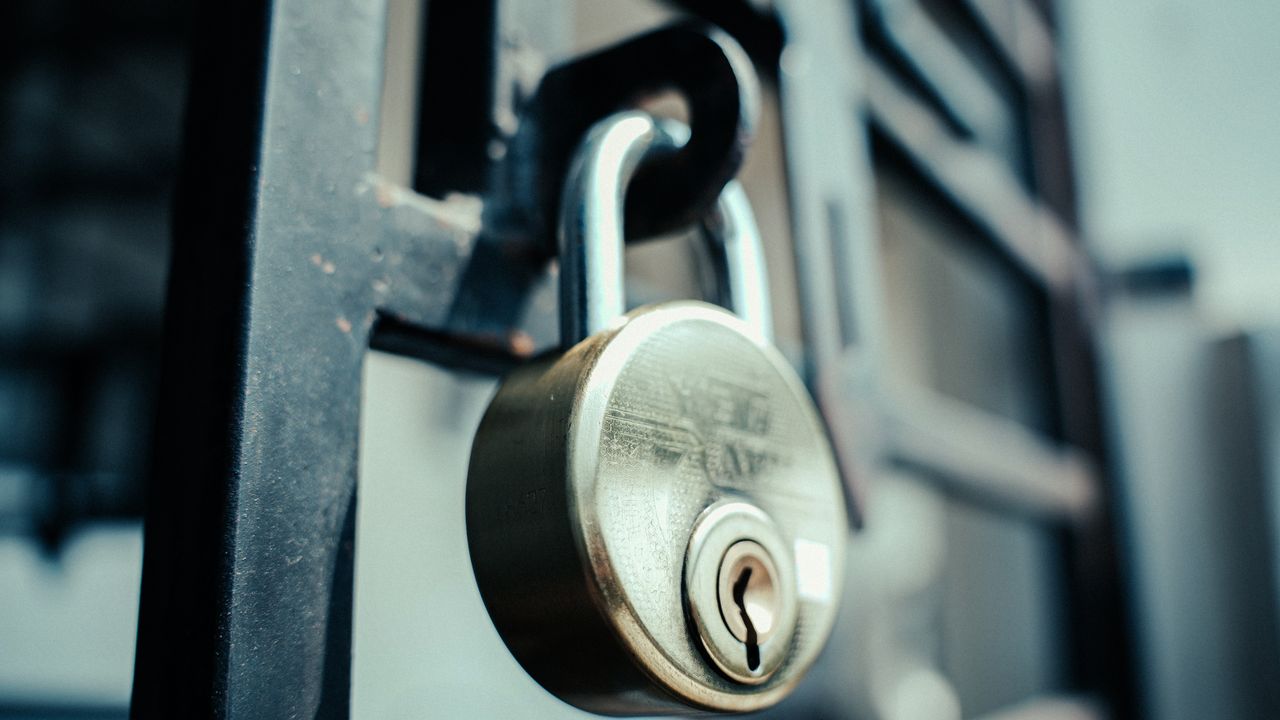
Living in New York City comes with unique home security considerations. Apartment buildings often have shared entrances, multiple residents, delivery traffic, and doors that experience frequent daily use. Even a well-maintained apartment can have security weaknesses if its locks are worn, its entry system is unreliable, or too many people have copies of its keys.
Following practical home security NYC residents can start with identifying these vulnerabilities and addressing them systematically. From improving door hardware to securing windows and managing spare keys, homeowners and renters can take several steps to make their properties more secure.
1. Start With Your Front Door and Deadbolt
The front door is one of the first places to assess when reviewing home security. A door with a worn lock, loose hardware, or a weak frame may be easier to compromise than one with properly installed, suitable locking hardware.
Check whether your deadbolt extends and retracts smoothly, whether the door closes securely, and whether the strike plate is firmly attached. Loose screws, a misaligned latch, or a damaged frame should be addressed rather than ignored.
A properly installed deadbolt can improve resistance to forced entry, but its effectiveness also depends on the door, frame, hardware, and installation quality. For doors with existing damage or inadequate reinforcement, a locksmith can assess whether stronger hardware or repairs are appropriate.
When considering home security tips NYC apartment residents can apply, remember that renters should check their lease and consult their landlord before making changes that affect the door or its locking mechanism.
2. Secure Building Entrances and Access Systems
In many Manhattan apartment buildings, security depends on more than the lock on an individual apartment door. The main entrance, intercom, access-control system, and door closer all contribute to the building’s overall security.
Residents and property managers should check that the main entrance closes and latches properly after someone enters or leaves. An entrance that remains open because of a faulty closer or damaged latch can undermine other security measures.
Intercom systems should also work reliably so residents can identify visitors before granting access. Avoid allowing unknown visitors to enter simply because they claim to be making a delivery or visiting another apartment.
Building managers should arrange prompt repairs for malfunctioning entry systems and review who has access to restricted areas. Individual residents can help by reporting damaged doors, broken intercoms, and other security concerns to management.
3. Improve Window and Balcony Security
Windows are another important part of a home security assessment, particularly in ground-floor apartments, garden-level properties, and homes with accessible fire escapes or balconies.
Check that window locks operate correctly and that frames are in good condition. If a window does not close completely or its locking mechanism is damaged, arrange repairs rather than relying on a temporary workaround.
Window security measures should suit the property’s layout and applicable safety requirements. Never install a security device that prevents required emergency escape or interferes with fire safety.
For apartments with balconies, keep access points secured when they are not in use. Avoid leaving valuable items in plain view near windows, particularly where they can be seen from public areas.
These home security tips NYC residents follow should balance burglary prevention with safe evacuation and access for emergency responders.
4. Manage Keys, Rekeying, and Lock Replacement
Lost keys and untracked copies can create uncertainty about who can enter a property. A key management routine is particularly useful when moving into a new apartment, changing roommates, or dealing with keys that have gone missing.
Rekeying changes the internal configuration of a compatible lock cylinder so that the old key no longer operates it. Lock replacement, by comparison, involves installing a different lock or cylinder assembly, depending on the hardware.
| Situation | Possible solution | What to consider |
| Keys are lost and their location is uncertain | Rekeying or lock replacement | Assess the risk that someone else could use the missing keys |
| A lock is sticking or difficult to turn | Inspection and repair | The problem may involve the cylinder, door alignment, or worn hardware |
| Moving into a new home | Review existing locks and key access | Determine who may still have working copies |
| A lock is visibly damaged | Repair or replacement | The appropriate solution depends on the extent of damage |
| Multiple authorized users need access | A suitable managed key system | Establish clear rules for issuing and retrieving keys |
Before changing locks in a rental property, confirm the applicable lease terms and local requirements. Landlords and tenants may have specific obligations concerning access, keys, and permitted hardware changes.
5. Consider Smart Locks and Modern Access Control
Smart locks can offer useful features for households that frequently manage visitors, caregivers, or temporary access. Depending on the model, features may include keypad entry, individual access codes, automatic locking, and activity records.
However, a smart lock is not automatically more secure than a traditional lock. Security depends on the device’s construction, installation, software support, account protection, and the way access is managed.
If you choose a connected lock, use a strong, unique account password and enable multifactor authentication when available. Remove access codes that are no longer needed, install manufacturer updates, and understand how the lock operates if its batteries or network connection fail.
For residents comparing home security tips NYC options, smart locks should complement sound physical security rather than replace it. Check compatibility with your door and any building rules before purchasing or installing a device.
6. Build Better Everyday Security Habits
Hardware improvements work best when residents follow consistent routines. A few simple practices can reduce avoidable security risks.
- Lock doors and windows when leaving, even for a short period.
- Avoid hiding spare keys in predictable places outside the property.
- Do not share access codes publicly or leave building access cards unattended.
- Keep entryways and shared areas adequately lit.
- Report damaged locks, suspicious tampering, or malfunctioning entrances promptly.
- Avoid posting real-time travel details publicly when your home will be unoccupied.
The New York City Police Department provides crime prevention guidance that can help residents evaluate their surroundings and take reasonable precautions. Security measures should reflect the property itself rather than rely on assumptions about the neighborhood.
Strengthen Your Home Security With Alto Locksmith & Security Manhattan
Improving home security in New York City involves more than installing a stronger lock. Door condition, window access, building entry systems, key control, and everyday habits all influence how well a property is protected.
Alto Locksmith & Security Manhattan is a locksmith and security service provider whose website can be consulted for information about available services. If you are considering a lock repair, rekeying, replacement, or other security improvement, discuss your property’s existing hardware and specific concerns with the company before choosing a solution.
Visit Alto Locksmith & Security Manhattan to review its services and contact information.
Following practical home security tips NYC residents can use, alongside appropriate professional advice, can help you identify weaknesses, maintain reliable locks, and make more informed decisions about protecting your home.

