


Maintaining a comfortable indoor environment is essential for creating a pleasant, healthy, and productive living or working space throughout the year. Heating, ventilation, and air conditioning systems play an important role in regulating indoor temperatures, controlling humidity, improving air circulation, and maintaining suitable indoor air quality. However, continuous equipment operation can gradually affect system performance because dust accumulation, worn components, electrical failures, refrigerant problems, and neglected maintenance may lead to unexpected breakdowns. When heating or cooling equipment stops working correctly, it can affect everyday comfort and increase household or business expenses. Understanding how these systems operate and recognizing early warning signs can help property owners make better decisions about equipment care. Professional HVAC repair services play an important role in restoring system performance, preventing additional damage, and maintaining dependable heating and cooling throughout every season.
Understanding the Importance of Heating and Cooling Systems
Heating and cooling systems contain several components that work together to maintain comfortable indoor temperatures. Air conditioning equipment removes heat from indoor spaces and transfers it outside through a refrigerant cycle. Heating equipment provides warmth through different methods, including furnaces, boilers, and heat pumps. Ventilation components help circulate indoor air and support the removal of unwanted particles, odors, and excess moisture. Each component must operate correctly to maintain consistent indoor comfort and dependable equipment performance. Modern systems may include compressors, evaporator coils, condenser coils, blower motors, thermostats, electrical controls, and air filters. These components perform different functions but depend on one another for effective operation. For example, restricted airflow can affect heat transfer, while a malfunctioning thermostat may prevent the equipment from responding correctly to temperature changes. Understanding the basic functions of heating and cooling equipment makes it easier to recognize why regular inspections and timely professional servicing are essential for long-term reliability.
Recognizing Common Signs of Equipment Problems
Recognizing early warning signs can help prevent minor equipment concerns from developing into expensive mechanical failures. One common indication is inconsistent indoor temperature, which may occur when heating or cooling equipment cannot distribute conditioned air effectively. Some rooms may remain warmer or colder than others, while the system may take longer than usual to reach the selected temperature. Weak airflow, frequent operating cycles, and unexpected shutdowns can also indicate developing mechanical or electrical problems. Unusual noises and odors should also receive attention because they may indicate issues involving motors, fans, electrical connections, or other components. Grinding, rattling, buzzing, and persistent humming sounds can sometimes be associated with loose parts or mechanical wear. Water leaking around indoor equipment may indicate a blocked condensate drain or another drainage concern. If you notice smoke, burning odors, a suspected gas leak, or signs of electrical overheating, stop using the equipment and seek appropriate professional or emergency assistance. Timely HVAC repair can help identify the underlying cause of operational problems and prevent additional equipment damage.
Understanding Common Air Conditioning Problems
Air conditioning systems can develop several problems that affect cooling performance and energy efficiency. One common concern involves refrigerant leaks, which can reduce the equipment’s ability to transfer heat effectively. Dirty evaporator or condenser coils may also interfere with heat exchange and increase operating strain. Other problems can involve malfunctioning capacitors, damaged fan motors, blocked condensate drains, and electrical control failures. These concerns can affect cooling capacity and prevent the system from maintaining comfortable indoor temperatures. Homeowners may notice insufficient cooling, ice formation, unusual noises, or water accumulation around indoor equipment. These symptoms should receive appropriate attention because continuing to operate malfunctioning equipment may create additional damage. Refrigerant handling and electrical repairs require specialized knowledge and suitable tools, so they should be performed by qualified professionals. Proper diagnosis is important because different problems can produce similar symptoms. A professional inspection helps determine the actual cause and identify the most appropriate corrective solution.
Maintaining Clean Filters for Better Airflow
Air filters play an important role in protecting heating and cooling equipment because they capture dust, airborne particles, and other contaminants before they enter the system. Over time, these particles accumulate and restrict airflow through the equipment. When filters become excessively dirty, the system may struggle to distribute conditioned air effectively and may require additional operating time to maintain the selected temperature. Restricted airflow can also contribute to unnecessary strain on the blower motor and other important components. Property owners should inspect and replace or clean filters according to manufacturer recommendations. The required frequency depends on equipment usage, indoor air conditions, and the presence of household dust or pets. Reusable filters should be cleaned carefully and allowed to dry completely before being reinstalled when the manufacturer specifies washing. Maintaining clean filters is a simple preventive step that supports proper airflow, improves equipment performance, and helps maintain a cleaner indoor environment. Regular filter inspections can also help identify airflow concerns before they become more serious.
Improving Indoor Air Quality Through Proper Ventilation
Indoor air quality is an important part of maintaining a comfortable and healthy environment. Dust, pollen, pet dander, household odors, and other airborne particles can accumulate indoors when ventilation and filtration are inadequate. Heating and cooling systems help circulate indoor air, but their effectiveness depends on properly maintained filters, clean components, and suitable ventilation arrangements. Poor airflow and neglected equipment can contribute to uncomfortable indoor conditions and affect the overall performance of the system. Professional technicians can evaluate ventilation arrangements and recommend improvements based on the building’s requirements. These improvements may include suitable filtration, ventilation adjustments, ductwork inspections, and equipment cleaning. Property owners should also maintain appropriate housekeeping practices and avoid blocking air vents with furniture or storage items. In some situations, additional ventilation equipment may be appropriate for improving indoor air movement. Combining proper filtration with suitable ventilation practices helps create a more comfortable indoor environment and supports better equipment performance.
Why Proper Airflow Is Essential for System Performance
Airflow is one of the most important factors affecting heating and cooling equipment. Systems depend on sufficient air movement to transfer heat and distribute conditioned air throughout the property. When filters become dirty or vents are blocked, airflow restrictions may develop and place additional strain on the blower motor and other components. These conditions can reduce heating and cooling effectiveness while increasing operating time and electricity consumption. Maintaining proper airflow begins with checking accessible filters and ensuring that supply vents and return grilles remain unobstructed. Ductwork should also be inspected when there are signs of leakage, damage, or uneven temperature distribution. A qualified technician can evaluate airflow conditions and determine whether adjustments or repairs are necessary. Professional HVAC repair services can help identify restrictions, inspect important components, and recommend appropriate improvements. Maintaining suitable airflow supports consistent temperatures and helps heating and cooling equipment operate more effectively.
Understanding the Importance of Thermostat Performance
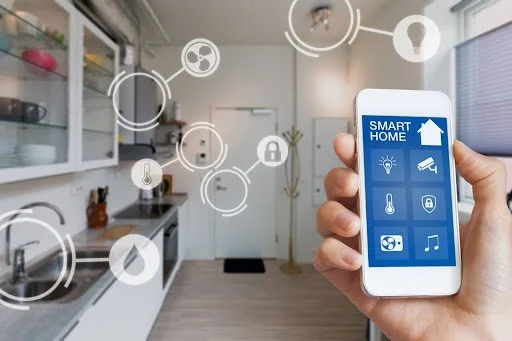
Thermostats play an important role in controlling indoor temperatures by communicating with heating and cooling equipment. When indoor conditions change, the thermostat signals the system to begin or stop operation according to the selected settings. If the thermostat is malfunctioning or positioned incorrectly, it may provide inaccurate temperature readings and affect overall comfort. Weak batteries, electrical connection problems, and incorrect programming can also interfere with normal operation. Modern smart thermostats provide additional features that help property owners manage indoor temperatures more conveniently. Depending on the model, these devices may offer programmable schedules, remote access, energy usage information, and automatic temperature adjustments. Proper installation and configuration are important because incorrect settings can reduce comfort and increase energy consumption. A professional technician can help select a compatible thermostat and ensure that it communicates correctly with the installed equipment. Understanding available controls makes it easier to maintain comfortable temperatures while managing operating expenses.
Improving Energy Efficiency and Reducing Operating Expenses
Energy efficiency is an important consideration for residential and commercial properties because heating and cooling equipment can account for a significant portion of total energy consumption. Systems that operate with dirty filters, restricted airflow, damaged components, or incorrect settings may require additional energy to maintain comfortable temperatures. Regular servicing helps identify conditions that reduce efficiency and allows property owners to address them before they become more serious. There are also several practical improvements that can reduce unnecessary heating and cooling demands. Proper insulation helps prevent conditioned air from escaping through walls, ceilings, windows, and doors. Sealing gaps around openings can reduce drafts and help maintain consistent indoor temperatures. Programmable controls can also reduce unnecessary operation when certain rooms or areas are unoccupied. Combining these improvements with professional inspections and timely HVAC repair helps maintain efficient equipment operation. An experienced technician can also evaluate whether an older system would benefit from upgrading to more energy-efficient equipment.
Understanding Heating Equipment and Common Problems
Heating equipment requires regular attention to maintain dependable performance during colder weather. Furnaces, boilers, and heat pumps contain different components that must operate correctly to provide consistent warmth. Dirty filters, worn motors, faulty thermostats, restricted airflow, and malfunctioning safety controls can interfere with normal operation. In fuel-burning equipment, combustion and ventilation components also require appropriate professional inspection to ensure that the system operates safely. Property owners should pay attention to changes in heating performance, including unusual noises, repeated shutdowns, and rooms that remain colder than expected. Professional servicing may include inspecting burners, heat exchangers, electrical connections, circulation components, and safety devices according to equipment requirements. If a fuel-burning appliance produces a strong fuel odor or there is concern about carbon monoxide, occupants should leave the building and contact emergency services from a safe location. Proper equipment care supports dependable heating and helps protect household members.
The Importance of Professional Equipment Installation
Proper installation is essential for ensuring that heating and cooling equipment operates according to manufacturer specifications. Even high-quality equipment may experience performance problems if it is incorrectly sized, improperly connected, or installed without considering the property’s heating and cooling requirements. An oversized system may cycle on and off frequently, while an undersized system may struggle to maintain comfortable temperatures during periods of extreme weather. These conditions can affect energy efficiency and reduce overall equipment reliability. Professional installation begins with evaluating the property’s size, insulation, window placement, ceiling height, and occupancy requirements. Technicians can use this information to recommend suitable equipment capacity and installation arrangements. They also ensure that electrical connections, refrigerant lines, drainage components, and ventilation arrangements are installed correctly. Working with an experienced service professional helps property owners avoid common installation problems and supports dependable long-term system performance. Proper installation can also reduce unnecessary operating expenses and help protect equipment warranties.
Preparing Equipment for Seasonal Changes
Seasonal preparation is important because heating and cooling systems often experience heavier workloads during periods of extreme temperatures. Before the cooling season begins, property owners should inspect accessible filters, check thermostat settings, and ensure that outdoor equipment remains free from unnecessary obstructions. During colder months, heating equipment should receive appropriate inspections to confirm that essential components and safety controls are functioning correctly. Completing these tasks before periods of heavy use can help identify developing problems. Seasonal preparation also provides an opportunity to review previous service records and identify recurring concerns. If the equipment has experienced unusual noises, frequent shutdowns, weak airflow, or inconsistent temperatures, these issues should be discussed during the service appointment. A qualified technician can examine the system and recommend appropriate servicing based on its condition. Professional HVAC repair before periods of heavy use can help reduce the possibility of unexpected breakdowns and support consistent indoor comfort throughout the year.
Choosing a Qualified Heating and Cooling Technician
Choosing a qualified technician is important because heating and cooling systems contain several components that require specialized knowledge and technical experience. Property owners should look for professionals with relevant training, appropriate licensing where required, insurance coverage, and experience working with the type of equipment installed. Checking customer feedback and asking about previous projects can help when comparing available service providers. A dependable professional should be willing to explain equipment problems and discuss recommended solutions before beginning major work. Clear communication is another important part of a successful service appointment. Property owners should describe unusual noises, temperature changes, water leaks, error codes, and other symptoms they have noticed. This information can help technicians identify possible causes and plan their inspections. Before approving major work, request an explanation of the recommended service, estimated expenses, and any available alternatives. Working with an experienced professional makes it easier to understand equipment requirements and maintain dependable heating and cooling performance over time.
When Should You Consider Replacing Older Equipment?
Even with regular maintenance, every heating and cooling system eventually reaches a point when replacement may become more practical than continued repairs. Older equipment can experience frequent mechanical failures, declining efficiency, and increasing maintenance expenses. When repair costs continue rising, property owners should compare the expense of additional work with the potential benefits of installing newer equipment. System age, operating condition, previous service history, replacement part availability, and expected future energy costs are all important considerations. A qualified technician can evaluate the existing equipment and explain whether repairing or replacing it would provide better long-term value. Modern heating and cooling systems may offer improved efficiency, quieter operation, advanced temperature controls, and additional features for managing indoor comfort. However, selecting the correct equipment capacity is essential because an improperly sized system may create uneven temperatures and unnecessary energy consumption. Property owners should request a detailed assessment that considers building size, insulation, occupancy, and heating and cooling requirements before making a replacement decision.
The Benefits of Professional Heating and Cooling Inspections
Professional inspections provide valuable information about equipment condition and help identify concerns that may not be immediately visible. Technicians can evaluate electrical connections, mechanical components, airflow, drainage arrangements, and system controls to determine whether the equipment is operating correctly. They can also identify worn components that may require attention before they cause unexpected failures. Regular inspections are particularly useful for older equipment and systems that operate frequently throughout the year. Another advantage is the opportunity to receive practical recommendations for improving system performance. A technician may identify insulation problems, restricted ductwork, outdated controls, or other conditions that affect energy efficiency. These recommendations can help property owners prioritize improvements according to their budgets and comfort requirements. Maintaining records of inspections and completed services also makes it easier to monitor equipment condition over time. A consistent professional service schedule supports dependable operation and helps property owners make informed decisions about future equipment needs.
Long-Term Benefits of Preventive Equipment Care
Preventive equipment care provides benefits that extend beyond immediate heating and cooling performance. Regular inspections and appropriate servicing help protect important mechanical components, support efficient energy use, and reduce the possibility of unexpected equipment failures. Property owners also gain a better understanding of their system’s condition and can make informed decisions about future servicing and replacement requirements. Maintaining dependable equipment is particularly valuable for households and businesses that rely on comfortable indoor temperatures throughout the year. Another advantage is greater confidence in the operation of the equipment. When property owners follow manufacturer recommendations and work with qualified technicians, they are better prepared to identify concerns and address them appropriately. Professional servicing can also reveal whether additional improvements, such as better insulation, improved temperature controls, or more effective airflow management, would benefit the property. Combining preventive care with timely HVAC repair supports dependable operation, protects equipment value, and contributes to a more comfortable indoor environment.
Conclusion
Maintaining comfortable indoor spaces requires properly functioning heating, ventilation, and air conditioning equipment. Regular inspections, clean filters, suitable airflow, correct thermostat settings, and responsible operating habits all contribute to reliable system performance. Understanding common equipment problems and recognizing early warning signs can help property owners address concerns before they become expensive failures. Professional installation, seasonal preparation, and preventive maintenance are equally important for protecting essential components and improving energy efficiency. Professional HVAC repair is an important part of maintaining dependable heating and cooling equipment throughout its useful lifespan. Qualified technicians can inspect important components, identify developing problems, recommend suitable repairs, and explain opportunities for improving overall system performance. Whether the goal is maintaining consistent indoor temperatures, reducing operating expenses, improving ventilation, or extending equipment lifespan, professional care offers important long-term benefits. By prioritizing regular maintenance and arranging qualified assistance when necessary, property owners can enjoy dependable equipment operation, better indoor comfort, and greater peace of mind throughout every season.

