


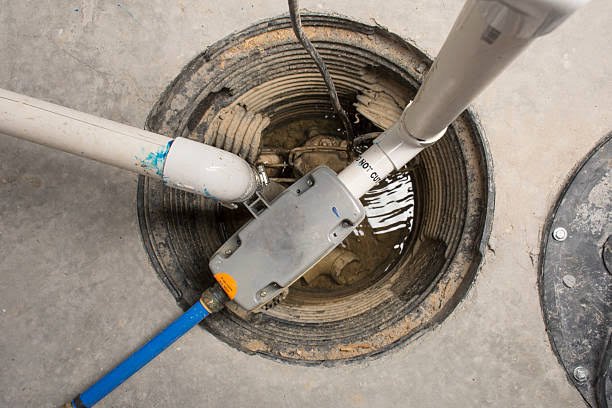
Basement water problems rarely start with dramatic flooding. More often, they begin with a float switch that sticks, a GFCI that tripped last week, or a discharge line that froze overnight. In a county with frequent thunderstorms and freeze-thaw cycles, a sump system that only “mostly works” can still leave a slab, finished flooring, or stored belongings at risk. This guide focuses on the parts that most often decide whether your sump pump runs when you actually need it: safe testing, diagnosing common failure points, choosing a practical backup, and making sure the discharge line will not send water right back to the foundation. None of this requires guesswork; small checks made now can prevent the scramble during the next long rain or power outage.
-
Test the pump before the first big rain.
Start with a controlled bucket test. Slowly pour water into the sump basin until the float rises, then watch for a smooth start, strong discharge at the exterior outlet, and a clean shutoff once the pit is nearly empty. If the motor hums without moving water, you may have an airlock or a jammed impeller. If the pump starts and stops every few seconds, the float range may be too short, or the check valve may be leaking. Verify power on a dedicated circuit and press “reset” if the receptacle is GFCI protected. A qualified Middlesex Plumber can also confirm the head height, pipe diameter, and check valve orientation match the pump’s rating so you are not unknowingly underpumping the basin.
-
What common failures look, sound, and smell like
A pump that runs hot to the touch after short bursts often short-cycles because the basin is undersized or the float switch engages too early. A rapid “thunk” when the pump shuts off points to water hammer at the check valve; adding a spring-loaded valve or relocating it closer to the pump can soften the slam. A gurgle without steady flow suggests an airlock; a small air relief weep hole drilled per the manufacturer’s guidance just above the pump discharge can purge trapped air. Musty odors from an open pit may indicate biofilm and debris; a sealed, radon-rated lid helps with both odor and safety while still allowing service access. If you hear the motor but see no water at the exterior outlet, check for a frozen discharge or a coupling that slipped inside the basement.
-
Backup power and secondary pumps: comparing the trade-offs
Power is the first weak link during a thunderstorm. A battery backup pump with a separate float switch can take over when the primary loses power or fails. Look for systems that publish flow at your actual head height; a 1/3 HP primary may move more water at 10 feet of lift than a backup that looks strong on paper but is rated at zero head. Battery chemistry matters: sealed AGM batteries are low maintenance; lithium batteries save weight and offer deeper discharge but cost more and may require compatible controllers. Test any backup monthly by lifting its float and confirming the alarm, charger, and app notifications (if included) work as expected.
Water-powered backups use municipal water pressure to eject sump water through an eductor. They run for days without electricity, but they won’t work on a well system and can increase your water bill during long storms. Local codes may require a backflow preventer. A portable generator with an appropriate transfer switch can keep the primary pump running, but generators rely on fuel availability and safe outdoor operation. For homes with frequent high inflow, a two-pump setup (primary plus an alternating or high-water secondary) shares the load and reduces run time per pump, extending service life.
-
Discharge line details that prevent recirculation and ice plugs
What happens after the pump turns on matters as much as the pump itself. Ensure the check valve arrow points away from the pump, add a union for easy service, and keep the vertical rise as short as practical to reduce head loss. Corrugated discharge hose is easy to route, but its ridges add friction; smooth-wall PVC keeps flow rates higher over distance. At the exterior, daylight the line well away from the foundation on a slope that sheds water. In cold weather, a freeze guard or an auxiliary wye with a pop-up emitter gives ice a place to vent rather than forcing water back through the check valve into the basin. Avoid tying a sump discharge into a sanitary sewer; beyond being a code violation in most places, it invites backups you cannot control. A short seasonal checklist- clear leaves from the outlet, confirm the pop-up moves freely, and verify the line is not crushed under landscaping- goes a long way.
Sizing and configuration choices that reduce risk
Match pump capacity to your site’s demand and plumbing layout. More horsepower isn’t automatically better; a 1/2 HP submersible can move less water than a 1/3 HP unit if head height and pipe losses don’t match. Pedestal pumps keep the motor above water for easy service and cooler operation, but submersibles run quieter under a sealed lid and handle debris better. Tethered floats offer long on/off ranges in large basins; vertical floats are compact and less likely to snag in tight pits. If the pump cycles every minute during steady rain, consider a larger basin, a float with a longer differential, or an alternating controller for dual pumps to spread the workload.
Two realistic scenarios show how these details add up. First, a midnight power outage hits during a downpour: a battery backup with a healthy AGM battery and a separate float carries the load until morning, while a high-water alarm sends a phone alert for a quick visual check. Second, early spring thaw refreezes at dusk; the exterior pop-up freezes shut, but a freeze guard vents flow, preventing the basin from refilling through a closed check valve. Both outcomes depend on small parts installed correctly long before the weather turns.
Plan simple upkeep so your system ages predictably, not unexpectedly. Quarterly, lift each float to verify engagement, pour water into the basin to time a full cycle, and listen for changes in sound. Clean grit from the pit floor to prevent impeller jamming. If you have a battery backup, test the charger and replace the batteries per the manufacturer’s guidance. Label the breaker, keep a spare check valve and rubber couplings on a shelf, and record the pump’s install date on the lid; most homeowners forget a unit’s age until the lights flicker. When you see patterns, frequent GFCI trips, chronic short cycling, or water hammer that keeps returning, bring in a licensed plumber to evaluate basin size, electrical supply, and discharge routing as a system rather than as isolated parts.
Good sump systems are quiet most days and boring on the worst ones. That is the goal. A safe bucket test, a clear discharge path, and a practical backup plan do more than save a carpet; they turn storms into routine checks instead of emergencies. If you are upgrading components, take photos of the existing setup and jot down pipe sizes, lift height to the joist, and the distance to the exterior outlet before making changes. Those small notes make it far easier for a professional to confirm sizing and catch issues like a backward check valve or a missing weep hole. With those pieces in place, your basement is far more likely to stay dry when it matters.

