


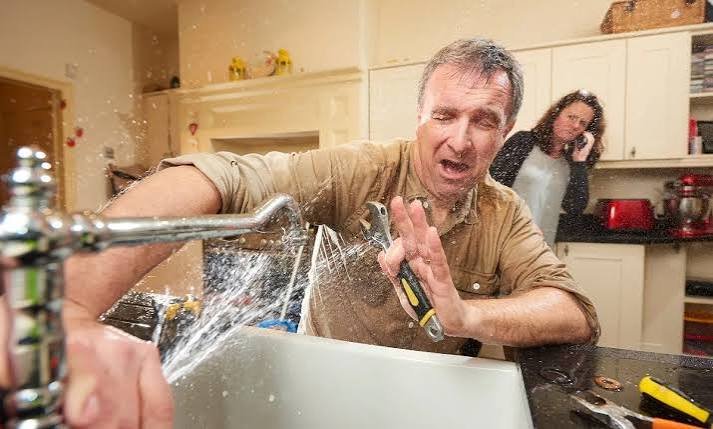
Water on the floor, a toilet that will not stop rising, or the sudden hiss of a burst supply line can unsettle even calm homeowners. The first hour matters. Quick and specific actions can slow the leak, protect your electrical system, limit moisture damage, and give a plumber the information needed to diagnose the problem faster. This guide focuses on practical steps any household can take in the moment, including finding the right shutoff, stabilizing common emergencies, staying safe around electricity and gas, containing damage, and gathering details a professional will ask for. You do not need specialized tools to respond effectively, only a clear understanding of what to turn, what to avoid, and what to document.
-
Find and Close the Right Shutoff Valve
Start by isolating the problem. Use the fixture shutoff if one is available, such as the oval or lever-style supply stop beneath a sink, behind a toilet, or at the laundry valves for a washing machine. If that does not work or you cannot reach it safely, close the main water shutoff. In many homes, this is a ball valve near the water meter. Turn the lever a quarter turn so it is perpendicular to the pipe. Older houses may have a gate valve. Turn the wheel clockwise until it stops without forcing it. After you stabilize immediate hazards, Conshohocken residents can use local channels to contact emergency plumbing in Conshohocken, PA, for assistance.
Reducing water pressure can slow a leak. If you shut off the main supply, briefly open a faucet on the lowest floor to drain the lines and reduce pressure. The relationship is simple but important: lower pressure usually means less water flowing through a split hose or cracked fitting. If a valve is stuck, don’t force it with a pipe wrench, because a seized gate valve can break and make the problem worse. Instead, use any accessible fixture shutoffs or contact the water utility if you must operate the curb stop. Once the water is off, confirm that flow has stopped by checking the affected fixture and, if practical, observing whether the water meter is still moving.
-
Stabilize Common Emergencies Before Help Arrives
For an overflowing toilet, remove the tank lid and press the flapper closed if water continues entering the bowl. Then close the toilet supply valve on the wall. Use a flange plunger designed for toilets to clear a simple blockage. Avoid repeated flushing to force the obstruction through. If water is leaking around the toilet base, stop using the fixture and contain the water with towels because the seal beneath the toilet may be compromised and continued use could damage the subfloor. Imagine an upstairs toilet overflowing during a weekend dinner. Acting quickly can keep water out of the hallway and reduce the risk of staining or damaging the ceiling below.
For a burst supply line or washing machine hose, close the nearest supply valves, then the main shutoff if needed. A temporary clamp may slow a small leak after you shut off the water, but it is not a permanent repair. After closing the water supply, open a faucet at a lower level to help drain pressure from the system. Protect the water heater as well. Turn off an electric water heater at the breaker if the tank could lose water, and follow the manufacturer’s instructions for a gas unit. For example, if a kitchen faucet supply line splits while you are cooking, closing the sink supply valves and draining pressure from a lower faucet can help limit damage to cabinets and flooring.
-
Safety Around Electricity, Gas, and Contaminated Water
Standing water and electricity are a dangerous combination. If water reaches electrical outlets, appliances, or laundry equipment, do not step into pooled water. If you can safely reach the electrical panel without crossing a wet area, switch off the affected circuit breakers. In kitchens, bathrooms, and laundry areas, a GFCI outlet may already have interrupted power, but still check the breaker if water exposure is significant. Never run extension cords across wet floors to operate fans or other equipment. Around gas appliances, keep flames and ignition sources away from any suspected leak. If you smell gas, leave the building and contact the gas utility or emergency services from a safe location.
Sewage presents a different hazard. A floor drain that releases wastewater, a basement tub that fills during heavy rain, or a ground floor toilet that backs up when the washing machine drains may indicate a main sewer line blockage. Do not remove an exterior cleanout cap from a pressurized or backed-up line because wastewater may discharge forcefully. Avoid chemical drain cleaners because they can remain in standing water and create a hazard for anyone later using a plunger, cable machine, or other drain equipment. Wear disposable gloves, keep children and pets away from contaminated areas, and use plastic sheeting, towels, or barriers to contain the spread until professional help arrives.
-
Contain Damage and Document It for Insurance
Containing water damage can buy valuable time. Move rugs, books, electronics, and other belongings away from the affected area. Place plastic or another moisture-resistant barrier beneath wood furniture legs to reduce staining. Use a wet-dry vacuum for standing water only after you confirm the area is safe from electrical hazards. Towels placed in doorways can create temporary barriers that slow water from reaching additional rooms. If wall materials become heavily saturated, you may need professional drying. Use fans and dehumidifiers only on safe electrical circuits and avoid exposing electrical equipment to standing water.
Document the situation as you go. Take photographs of the leak source, affected rooms, and any failed components, such as a split braided supply hose or cracked PVC fitting. Record the approximate time when you closed the water and note other actions you took, including switching off an electric water heater or turning off a circuit breaker. Keep damaged components if you can store them safely, because the plumber or insurance adjuster may want to inspect them. If you plan to file an insurance claim, early photographs and notes can help establish the cause and extent of damage before cleanup changes the scene.
What to Tell the Plumber to Speed the Repair
Clear and specific information can save time during a service call. Tell the plumber which fixtures are affected, whether the problem appears to involve the supply side or the drainage side, and which valves or breakers you have already shut off. Supply side problems usually involve pressurized spraying, dripping, or hissing, while drain problems often involve slow drainage, backups, or wastewater rising from another fixture. Describe visible pipe materials, such as copper, PEX, PVC, or galvanized steel. Mention the water heater type and whether it has been powered down. If you know the location of an accessible cleanout, sump pump, or backwater valve, provide that information as well. These details help the plumber arrive prepared with the appropriate tools and equipment.
After the immediate repair, focus on prevention. Map and label your main water shutoff and individual fixture valves so everyone in the household can find them quickly. Replace aging washing machine hoses when necessary and inspect supply connections periodically for corrosion or bulging. Insulate vulnerable pipes in cold areas to reduce the risk of freezing. Test your sump pump according to the manufacturer’s instructions, and keep its discharge path clear. If sewer backups happen repeatedly, a camera inspection may help identify root intrusion, a damaged pipe, or a low section in the line.
Emergencies require a practical balance. Isolating only the affected fixture lets the rest of the home keep water service, but if a fixture valve is corroded, leaking, or unreliable, shutting off the main supply may be the safer option. Either way, calm, deliberate action in the first hour can significantly limit damage, protect the home, and give the plumber a clearer starting point for an effective repair.

