


A child’s smile changes a great deal between the first wobbly tooth and the final years of high school. Baby teeth fall out, adult teeth push through, and the jaws grow to make room for them. Most of this happens quietly, and many families only notice a problem once it becomes hard to ignore.
Early dental assessments give parents a clear view of how this growth is unfolding and help young people grow up with healthier mouths and stronger confidence.
Why Timing Matters for Growing Smiles
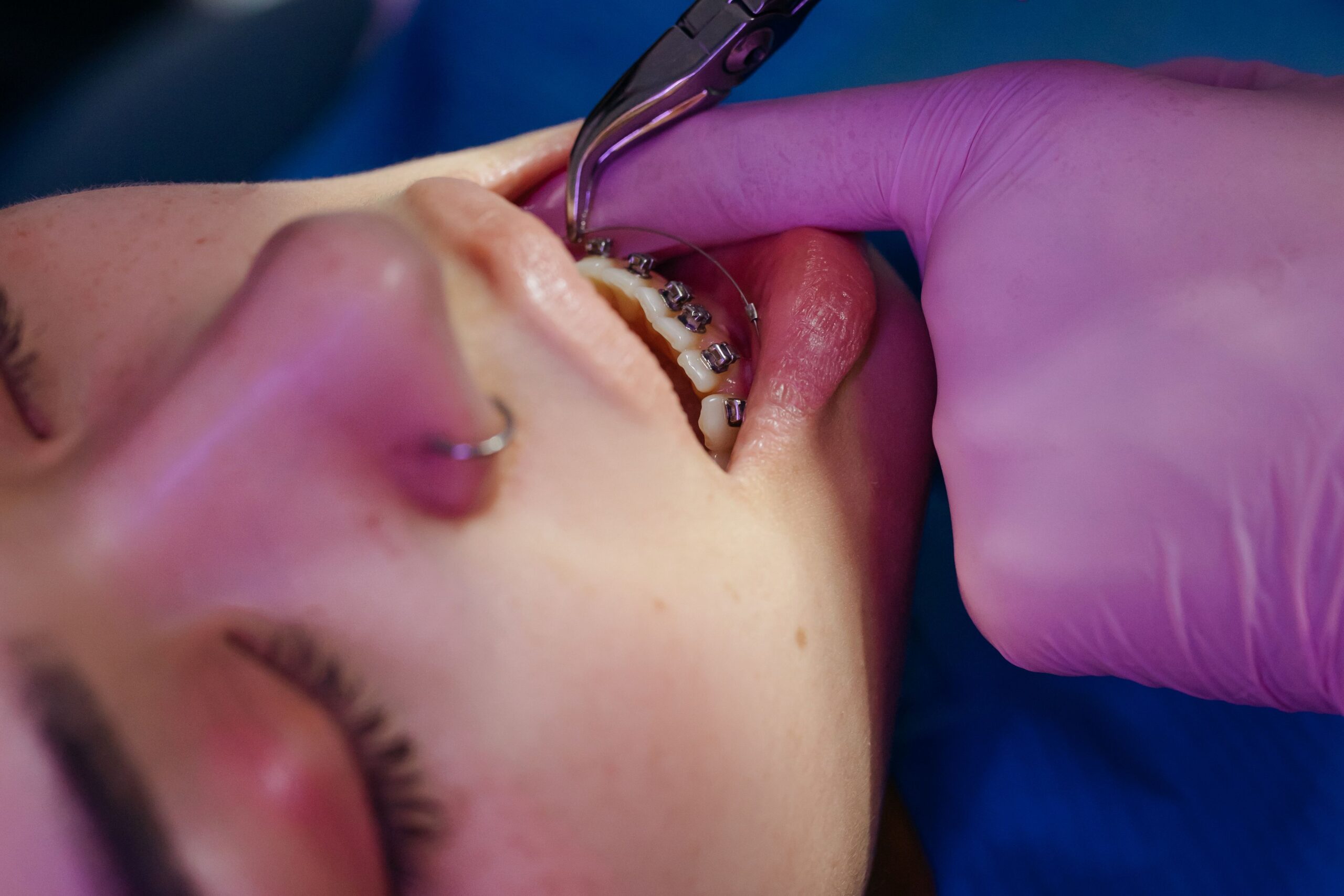
Many families wait until a child’s teeth look visibly crooked before seeking any advice. By that stage, a child may need braces to correct crowding or a bite problem that has already settled into the growing jaw. Guidance from a specialist in orthodontic care can make this process far simpler and more comfortable.
Parents who want their child to enjoy a healthy, even bite can discuss orthodontic treatment with braces once growth has been properly checked. Starting the conversation early gives every family more choices and far less worry later on.
What Happens During an Early Assessment
An early dental assessment is a calm and simple visit. The dentist looks closely at the teeth, the gums, and the way the upper and lower jaws meet. They check whether adult teeth are coming in where they should and whether there is enough space for the ones still waiting below the gums. Images may be taken to show what cannot be seen with the eye alone.
The visit is also a chance to talk. Parents can share concerns about how their child eats, speaks, or sleeps, and the child can ask questions in a relaxed setting. Often, the assessment simply confirms that growth is on track, and the family leaves with peace of mind.
Common Concerns That Early Checks Can Reveal
Some dental issues are easy to miss at home. Crowding happens when there is not enough room for adult teeth, which can cause them to twist or overlap. Gaps can appear when teeth are small or missing. A crossbite occurs when upper teeth sit inside the lower teeth, and this can affect how the jaw develops.
Other concerns relate to the bite as a whole. An overbite can leave the upper front teeth more exposed to chips and knocks. An underbite, where the lower jaw sits forward, can make chewing harder. Early checks spot these patterns while the jaw still responds well to gentle guidance.
How Daily Habits Shape Dental Development
Childhood habits can have a lasting effect on how teeth and jaws grow. Thumb sucking and long use of a pacifier can push front teeth forward and change the shape of the roof of the mouth. Breathing mainly through the mouth may also influence how the face develops.
Tongue habits play a part too. Some children press their tongue against their teeth when they swallow, which can slowly move teeth out of place. A dental professional can notice these patterns and suggest simple ways to break them. Addressing habits early is easier than correcting their effects years later.
The Link Between Oral Health and Overall Wellbeing
A healthy mouth supports much more than a pleasant smile. Teeth that fit together well make it easier to chew food properly, which helps with digestion and good nutrition. A balanced bite can also reduce strain on the jaw, lowering the chance of aches and headaches.
Speech is closely tied to dental development as well. The position of the teeth and tongue affects how children form certain sounds. Well-spaced teeth are also simpler to brush and floss, which lowers the risk of decay and gum problems throughout life.
Supporting Confidence During the Teenage Years
The teenage years bring many changes, and the way young people feel about their appearance can affect how they act at school and with friends. A smile they feel good about can help them speak up in class and take part in activities without holding back.
Early assessments help teenagers avoid surprises at a time when they may already feel self-conscious. When concerns are planned for in advance, teenagers can take part in decisions about their own care, which gives them a sense of control and pride.
Building Healthy Routines at Home
Professional checks work best alongside good habits at home. Children should brush twice a day with fluoride toothpaste and learn to clean between their teeth from an early age. Parents can help younger children brush until they can do it well alone.
Diet also matters. Sugary snacks and drinks feed the bacteria that cause decay, so keeping them to mealtimes protects growing teeth. Water, fresh fruit, vegetables, and calcium-rich foods support strong teeth and healthy gums. Mouthguards are worth using for active children during sports.
Making Dental Visits a Positive Experience
Children who feel at ease at the dentist are more likely to keep up regular visits as adults. Parents can help by speaking about appointments in a calm, positive way. Reading simple stories about dental visits can make the experience feel familiar.
A friendly, patient team also makes a real difference. When children are greeted warmly and given time to ask questions, they leave feeling proud rather than anxious. Small rewards, such as choosing a new toothbrush or a sticker after the appointment, can turn each visit into something to look forward to. Checks every few months mean small concerns are noticed quickly, so children rarely face long or uncomfortable visits. Over time, these calm experiences build trust that lasts beyond childhood.
Investing in Healthy Smiles for the Years Ahead
Early dental assessments give children and teenagers a strong start toward healthy teeth and a comfortable bite. They help families spot concerns early, guide growth in the right direction, and avoid more complex care later.
Combined with good habits at home and positive dental visits, these checks support healthy growth from childhood into adult life.

