


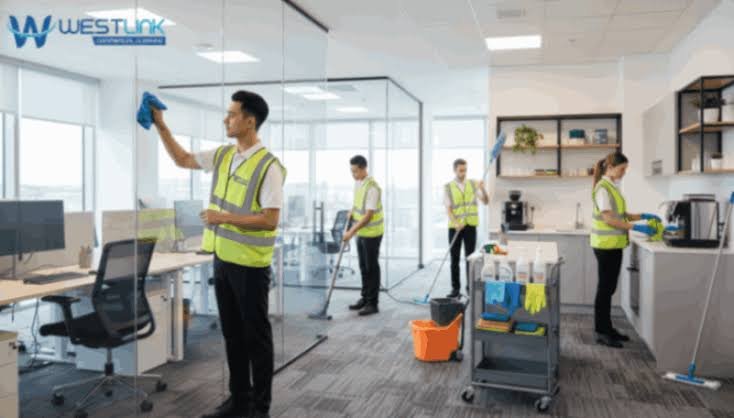
Conference rooms can be among the most heavily used spaces in an office. Employees, clients, visitors, vendors, and management teams may move through the same room repeatedly for presentations, interviews, planning sessions, and collaborative discussions. Each meeting can leave behind fingerprints, crumbs, drink marks, paper waste, dust, and displaced furniture. Without consistent cleaning, these signs of frequent use accumulate quickly and affect how the room looks and feels. Office cleaning helps keep shared meeting spaces presentable, organized, and ready for the next group while reducing the buildup that naturally develops during a full schedule of daily activity.
Keeping Busy Meeting Rooms Ready
-
Frequent Turnover Makes Cleanliness More Noticeable
A conference room may host several different groups within a few hours, leaving little time for the space to recover between meetings. Chairs may be moved, tables touched repeatedly, whiteboards filled, and drinks placed on shared surfaces throughout the day. Even minor messes become noticeable when one meeting immediately follows another. Regular office cleaning helps prevent yesterday’s residue from combining with today’s activity and creating a neglected appearance. Cleaning teams can focus on tables, chair arms, door handles, presentation areas, floors, and other high-touch surfaces. This level of attention matters because conference rooms often serve both employees and outside visitors, making their condition more visible than less-used areas. A consistently maintained room can feel more orderly at the start of each meeting, while clutter and residue can distract participants before discussions even begin. Keeping the room prepared supports smoother transitions between groups without requiring employees to spend valuable meeting time clearing cups, wiping tables, or reorganizing the space themselves.
-
Shared Surfaces Need Consistent Attention During Heavy Use
Conference rooms include many surfaces multiple people touch within a short period, including door handles, chair backs, remote controls, presentation equipment, table edges, switches, and shared writing tools. When the room is used continuously, fingerprints, dust, food residue, and marks can build up faster than they do in private offices. Companies that want to find out more from Australian Cleaning Care may consider how cleaning frequency should reflect the actual level of conference room use rather than relying on the same routine for every area of the workplace. A room used once a week has different needs from one that hosts meetings throughout the day. Office cleaning can be scheduled around these patterns so high-contact surfaces, floors, and furniture receive attention often enough to match activity levels. This approach helps prevent visible buildup from becoming part of the room’s normal appearance. Consistent care also makes it easier to notice spills, damaged furnishings, or supply shortages before they interfere with an upcoming meeting or presentation.
-
Food and Drinks Can Create Lingering Problems
Many meetings include coffee, water, catered lunches, snacks, or takeaway meals, especially during long planning sessions and training events. Food and beverages can leave crumbs beneath chairs, sticky marks on tables, stains on upholstery, and odors that remain after participants leave. A small spill that goes unaddressed may attract dirt from shoes or become harder to remove later. Office cleaning helps address these issues before they accumulate across several meetings. Staff can check floors for crumbs and spills, empty bins, and clean tables so the next group doesn’t enter a room with signs of the previous session. This becomes particularly important when meetings occur throughout the day because food waste left in a warm room can quickly create unpleasant odors. Consistent cleaning also prevents employees from relying on rushed surface wiping immediately before important visitors arrive. By treating food-related cleanup as part of regular conference room care, workplaces can maintain a more comfortable setting without repeatedly interrupting employees to handle routine cleaning tasks.
-
Presentation Areas Influence the Overall Appearance of the Room
Conference room cleanliness extends beyond tables and floors. Presentation screens, whiteboards, cabinets, windows, ledges, cables, and equipment surfaces can all collect dust or develop visible marks when a room is used regularly. A smudged screen or whiteboard covered with old writing can make a meeting area feel disorganized even when the floor has been cleaned. Office cleaning can include attention to surrounding surfaces so the entire room maintains a consistent appearance. Staff can return chairs to practical positions, remove waste, and leave visible surfaces ready for another session. This type of reset becomes valuable in offices where employees move directly from one meeting to another and may not have time to prepare the room themselves. Maintaining presentation areas also helps prevent small amounts of dust and clutter from gradually becoming more noticeable. A conference room routinely restored after heavy use can stay functional and welcoming throughout the workweek, rather than looking increasingly worn as each day progresses.
Supporting a More Consistent Meeting Environment
Office cleaning matters when conference rooms are used throughout the day because frequent traffic leaves little time for shared spaces to recover naturally. Tables, seating, floors, presentation areas, and high-contact surfaces can quickly show signs of repeated meetings, meals, and visitor activity. A consistent cleaning routine helps remove residue, control clutter, address spills, and return the room to an orderly condition before buildup becomes difficult to manage. This supports a more dependable meeting environment for employees and visitors alike. When conference room maintenance reflects actual usage, the space can remain ready for discussions, presentations, interviews, and collaborative work throughout a demanding office schedule.

