


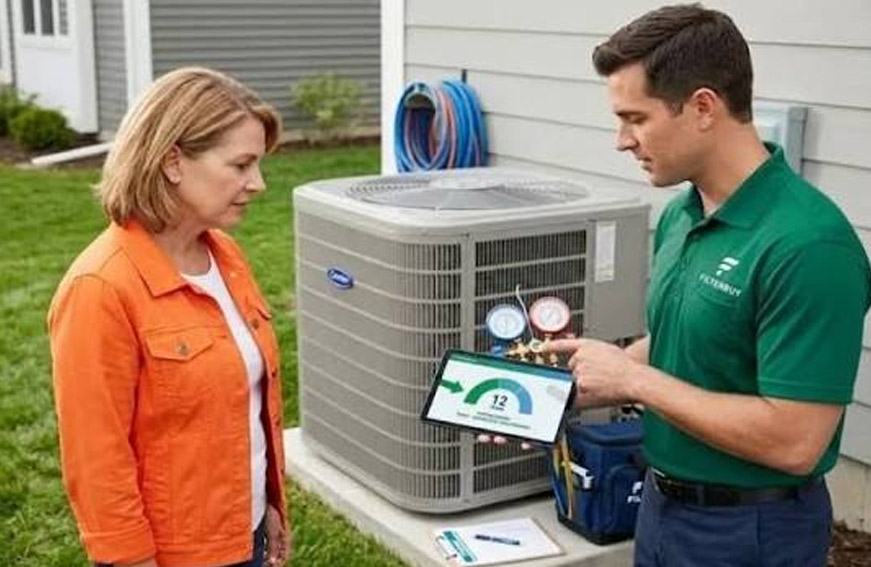
A heat pump is an important part of a property’s heating and cooling system, helping maintain comfortable indoor temperatures throughout changing seasons. Unlike traditional HVAC equipment that uses separate systems for heating and cooling, a heat pump can perform both functions by transferring heat between indoor and outdoor spaces. When properly selected, installed, and maintained, it can provide dependable comfort and efficient operation for many years. However, even a well-maintained heat pump will eventually experience wear, aging components, and declining performance. As equipment becomes older, property owners may notice higher energy bills, uneven temperatures, frequent repairs, or difficulty maintaining the desired indoor climate. These problems can raise important questions about whether continued repairs are practical or whether a new system would provide a more suitable long-term solution. Understanding the signs of equipment deterioration, the replacement process, and the importance of professional HVAC services can help homeowners and commercial property owners make informed decisions about their heating and cooling needs.
Understanding the Role of a Heat Pump in Modern HVAC Systems
A heat pump is designed to provide heating and cooling by moving heat from one location to another. During cooling operation, the system removes heat from indoor air and transfers it outside, helping lower the temperature inside the property. During heating operation, the process reverses, allowing the equipment to collect available heat from outdoor air and transfer it indoors. This ability to provide both heating and cooling makes heat pumps a valuable option for properties seeking a versatile temperature-control solution. The system’s performance depends on the proper operation of several components, including the outdoor unit, indoor air handler, compressor, refrigerant circuit, blower motor, thermostat, electrical controls, and ductwork where applicable.Because these components work together, a problem in one area can affect the performance of the entire system. A malfunctioning thermostat may cause inconsistent temperature control, while restricted airflow can force the equipment to operate longer than necessary. Mechanical wear, electrical failures, and refrigerant-related problems may also reduce performance or prevent the system from operating correctly. Although some problems can be resolved through professional repairs, older equipment may eventually reach a point where replacement offers a more practical solution. Evaluating the complete HVAC system rather than focusing on a single symptom allows property owners to understand whether their existing heat pump can continue providing reliable service or whether updated equipment should be considered.
Recognizing When an Aging Heat Pump Needs Attention
One of the first signs that a heat pump may be experiencing age-related problems is a noticeable decline in heating or cooling performance. A system that previously maintained comfortable temperatures may begin running for extended periods without reaching the thermostat setting. Some rooms may feel warmer or colder than others, while the equipment may struggle to provide consistent airflow throughout the property. These symptoms do not automatically mean that the heat pump must be replaced, since issues involving filters, ductwork, thermostats, airflow, or individual components may sometimes be corrected through maintenance or repair. However, persistent performance changes should not be ignored because they may indicate that the equipment is no longer operating as effectively as it once did.Frequent cycling is another concern that property owners should monitor. A heat pump that starts and stops repeatedly may be experiencing problems involving airflow, controls, system capacity, temperature sensors, or other components. Excessive cycling can place additional stress on equipment and may contribute to inconsistent indoor comfort. Similarly, a system that operates continuously without maintaining the desired temperature may require professional evaluation. A qualified HVAC technician can inspect the equipment, review its operating performance, and determine whether the problem is related to a repairable issue or a larger decline in system condition. Early assessment can help property owners avoid making replacement decisions based solely on assumptions while ensuring that developing concerns receive appropriate attention.
Rising Energy Costs and Declining System Efficiency
Changes in energy consumption can sometimes indicate that a heat pump is no longer operating as efficiently as expected. As equipment ages, components may become worn, airflow may become restricted, or mechanical and electrical problems may develop. These conditions can cause the system to operate for longer periods to maintain comfortable indoor temperatures. When equipment runs more frequently or struggles to achieve the thermostat setting, energy consumption may increase. Property owners may notice that heating and cooling costs have risen even though their daily habits and temperature settings have remained relatively consistent.However, higher energy bills do not always mean that the heat pump itself is responsible. Weather conditions, changes in occupancy, insulation, windows, ductwork, thermostat settings, and other property factors can influence energy use. For this reason, energy costs should be considered alongside other signs of equipment performance. A professional HVAC inspection can help identify whether the system is experiencing efficiency-related problems and whether maintenance or repair may improve its operation. If the equipment is significantly aged and several issues are found, replacement may provide an opportunity to install a modern system that is better suited to the property’s current requirements. The decision should be based on a complete evaluation rather than energy consumption alone.
Frequent Repairs and the Cost of Continuing With Old Equipment
Every heating and cooling system requires maintenance and may occasionally need repairs, but repeated breakdowns can become a concern as equipment gets older. A heat pump that requires frequent service calls may be experiencing deterioration in several components rather than one isolated malfunction. Replacing a failed motor, electrical component, control board, or other part may restore operation temporarily, but additional aging components could develop problems later. Property owners should therefore consider the overall repair history of the equipment instead of evaluating each repair independently.The financial impact of repeated repairs is another important factor. Individual repairs may appear manageable, but frequent service expenses can accumulate over time. There may also be indirect costs associated with uncomfortable indoor conditions, unexpected breakdowns, disrupted schedules, and temporary loss of heating or cooling. A professional HVAC technician can examine the system and explain whether the current repair is likely to provide a reasonable extension of its service life. If the equipment is older, inefficient, and experiencing repeated major failures, comparing continued repair costs with the potential benefits of a new system may help property owners plan more effectively. Replacement is not always necessary, but understanding the long-term condition of the equipment can support a more informed decision.
Unusual Noises, Odors, and Other Warning Signs
Heat pumps produce normal operating sounds as fans, motors, compressors, and other components function. However, sudden changes in sound should be taken seriously. Grinding, squealing, rattling, buzzing, or repeated clicking may indicate loose parts, mechanical wear, electrical concerns, or problems involving moving components. A single unusual noise does not necessarily mean that the entire system needs replacement, but recurring or worsening sounds may indicate that professional service is necessary. Ignoring these symptoms can allow a relatively manageable problem to develop into a more serious equipment failure.Unusual odors can also provide important information about the condition of a heat pump. Persistent burning smells, musty odors, or other unexpected smells may have different causes depending on the equipment, operating conditions, and surrounding environment. Electrical odors or signs of overheating should receive prompt attention, and the system should not be operated if there is a potential safety concern. Property owners should avoid opening electrical panels, bypassing safety controls, or attempting complicated repairs without appropriate training. Professional technicians can investigate unusual sounds and odors, identify their causes, and determine whether the equipment requires repair, maintenance, or a more extensive replacement assessment.
Poor Temperature Control and Uneven Indoor Comfort
A properly functioning heat pump should provide suitable heating and cooling for the property’s design and equipment capacity. When certain rooms remain uncomfortable despite normal thermostat settings, the problem may involve several factors. Restricted ductwork, inadequate insulation, blocked registers, thermostat problems, equipment sizing, or mechanical failures can all contribute to uneven temperatures. In some cases, correcting airflow or addressing a building-related issue may resolve the problem without replacing the heat pump. In other situations, the existing equipment may no longer be capable of meeting the property’s heating and cooling demands effectively.Professional evaluation is particularly important when uneven comfort has continued for an extended period. A technician can inspect the heat pump, assess airflow, examine controls, and consider whether the system is appropriately matched to the property. If the equipment is too old, improperly sized, or experiencing multiple performance problems, replacement may be worth discussing. A new system should be selected according to the property’s actual heating and cooling requirements rather than simply choosing equipment based on the size of the existing unit. Proper sizing and installation can help support more consistent comfort and reduce problems associated with excessive cycling or insufficient capacity.
Evaluating the Condition of the Existing Heat Pump
Before deciding to replace a heat pump, property owners should arrange a comprehensive evaluation of the existing equipment. A professional inspection can help determine whether the system’s problems are isolated or whether multiple components are showing signs of deterioration. The technician may review the equipment’s age, maintenance history, operating performance, electrical connections, airflow, thermostat controls, and the condition of major components. This information can provide a clearer picture of the system’s remaining service potential.The age of the equipment is an important consideration, but it should not be the only factor. Some older heat pumps may continue operating effectively when they have been properly maintained, while newer systems can experience significant problems because of installation issues, neglect, or component failure. Repair history, operating costs, comfort performance, and the availability of replacement parts may also influence the decision. A professional assessment allows property owners to compare the expected benefits of continued repair with the potential advantages of installing updated equipment. This approach can help prevent unnecessary replacement while also avoiding repeated investment in a system that may no longer provide dependable service.
Choosing the Right Equipment for a Replacement Project
Selecting replacement equipment requires careful consideration of the property’s heating and cooling requirements. A new heat pump should be appropriately sized to provide sufficient capacity without being excessively large for the space. Oversized equipment may cycle too frequently, while undersized equipment may struggle to maintain comfortable temperatures during periods of heavy demand. Professional sizing should consider factors such as building layout, insulation, windows, occupancy, existing ductwork, and the property’s overall heating and cooling needs.Property owners should also consider the configuration of the existing HVAC system. Depending on the installation, replacement may involve the outdoor heat pump unit, indoor air handler, thermostat, electrical connections, refrigerant-related components, or other equipment. Compatibility between components is important for dependable operation. A qualified HVAC provider can inspect the existing system and explain which parts may be suitable for continued use and which components may need to be upgraded or replaced. This evaluation can help ensure that the new equipment is selected as part of a complete system rather than treated as an isolated purchase.
The Importance of Professional Heat Pump Installation
Even a high-quality heat pump may fail to deliver expected performance if it is installed incorrectly. Proper installation involves more than positioning the equipment and connecting it to existing components. The system must be appropriately sized, correctly integrated with indoor equipment, connected according to electrical requirements, and configured to support suitable airflow. Refrigerant-related work, controls, drainage, and other installation details may also require specialized knowledge. Mistakes during installation can affect comfort, operating costs, equipment reliability, and the service life of the system.Professional installation helps ensure that the replacement equipment is evaluated and commissioned according to the manufacturer’s requirements and the property’s needs. Technicians can verify that heating and cooling functions operate correctly, controls respond appropriately, airflow is suitable, and the system performs as expected. They can also identify potential concerns involving ductwork, insulation, electrical connections, or other parts of the HVAC infrastructure. A careful installation process can reduce the risk of avoidable problems and provide property owners with greater confidence in their new heating and cooling system. Working with an experienced HVAC company is therefore an important part of a successful replacement project.
Improving Comfort Through Updated Heat Pump Technology
Replacing an aging heat pump can provide an opportunity to address long-standing comfort concerns and improve the overall performance of a property’s HVAC system. Modern equipment may offer improved temperature control, updated operating features, better system responsiveness, and compatibility with advanced thermostat technology. Depending on the selected equipment and the condition of the property, a new heat pump may also help address some of the problems associated with aging components and declining performance.However, the results of a replacement project depend on several factors beyond the equipment itself. Proper sizing, installation quality, ductwork condition, insulation, thermostat settings, maintenance, and building characteristics all influence how effectively a heat pump performs. If the property has significant airflow restrictions or insulation problems, installing new equipment alone may not resolve every comfort concern. A comprehensive HVAC evaluation can identify these additional factors and help property owners determine whether related improvements should be considered during the replacement process. This approach supports a more complete solution and can help the new system operate more effectively.
Considering Indoor Air Quality During Replacement
Heat pumps circulate air throughout a property, making filtration and airflow important considerations for indoor comfort. When an HVAC system is aging or operating poorly, occupants may notice increased dust, inconsistent humidity, weak airflow, or other indoor air quality concerns. These problems may be related to filters, ductwork, ventilation, moisture, equipment condition, or other factors. Although a heat pump replacement will not automatically resolve every indoor air quality issue, it can provide an opportunity to evaluate the system’s broader contribution to the indoor environment.During a replacement consultation, property owners can discuss filtration, airflow, humidity control, and other indoor air quality requirements with their HVAC provider. John Davis Heating and Air offers indoor air quality services alongside heating, cooling, repair, replacement, and maintenance solutions. Considering these services during a replacement project may help property owners identify additional improvements that support a more comfortable indoor environment. A complete evaluation can also help ensure that the new equipment works effectively with the property’s existing HVAC infrastructure and that important air quality concerns are not overlooked.
The Benefits of Preventative Maintenance After Replacement
A new heat pump requires ongoing care to maintain dependable performance. Although replacement equipment begins with new components, regular operation can still contribute to wear, dirt accumulation, airflow restrictions, and other issues over time. Preventative maintenance gives HVAC professionals an opportunity to inspect the system, evaluate performance, identify developing concerns, and help property owners address problems before they become major failures. Routine service can also help establish a maintenance history that makes future troubleshooting and planning easier.John Davis Heating and Air provides preventative maintenance services designed to support heating and cooling equipment throughout the year. The company recommends professional maintenance twice annually, with service scheduled around heating and cooling needs. Regular inspections can include checking system performance, reviewing important components, examining airflow, and identifying conditions that may affect operation. Property owners can also support their heat pump by following recommended filter replacement schedules, keeping outdoor equipment clear of obstructions, and paying attention to changes in sound or temperature control. A proactive maintenance approach can help protect the investment made in replacement equipment and support more consistent comfort.
Professional HVAC Services for Residential and Commercial Properties
Heat pump replacement is relevant to both residential and commercial properties because reliable temperature control is important in many different environments. In a home, an aging heat pump can affect household comfort, indoor air quality, and energy management. In a commercial property, HVAC problems may influence employees, customers, equipment, and daily operations. Businesses may also have more complex heating and cooling requirements involving larger equipment, multiple zones, specialized controls, and extensive airflow systems.Professional HVAC providers with experience in residential and commercial services can evaluate the specific needs of each property. John Davis Heating and Air offers heating, cooling, HVAC repair, replacement, maintenance, indoor air quality, and commercial HVAC services. This broad range of capabilities can be useful when a replacement project involves more than the equipment itself. A technician may identify concerns involving controls, airflow, ductwork, or other parts of the HVAC system that should be addressed to support dependable operation. By evaluating the property as a complete system, professional service can help ensure that the replacement process is appropriate for the building’s requirements.
Preparing for a Successful Heat Pump Replacement
Property owners can make the replacement process more organized by gathering information about their existing HVAC system before scheduling a consultation. Useful details may include the age of the heat pump, previous repair records, maintenance history, recurring performance problems, energy-use changes, and rooms that experience uneven temperatures. This information can help the technician understand the equipment’s operating history and identify areas that require additional investigation. Property owners should also consider their priorities, such as consistent comfort, improved temperature control, reduced repair frequency, indoor air quality, or long-term equipment reliability. During the consultation, it is helpful to ask questions about equipment sizing, installation requirements, system compatibility, maintenance recommendations, and the expected operation of the proposed heat pump replacement. A professional HVAC company should explain the condition of the existing equipment and provide clear information about available options. Property owners should also understand whether the replacement will require updates to ductwork, electrical connections, thermostats, or other components. Clear communication before work begins can help reduce misunderstandings and ensure that the selected solution matches the property’s actual needs. Careful planning can make the project more efficient and help establish realistic expectations for the new system.
Conclusion
A heat pump can provide dependable heating and cooling for many years, but aging equipment may eventually experience declining performance, frequent repairs, unusual operating sounds, higher energy consumption, and inconsistent indoor comfort. These warning signs do not always mean that replacement is immediately necessary, since professional maintenance or repair may resolve some problems. However, when equipment becomes difficult to maintain or repeatedly fails to meet the property’s heating and cooling requirements, a complete HVAC evaluation can help determine whether continued repairs remain practical. Considering the age, condition, repair history, operating costs, and comfort performance of the system allows property owners to make decisions based on the complete picture.Professional heat pump replacement can provide an opportunity to improve system reliability, address persistent comfort concerns, and install equipment that is appropriately matched to the property’s needs. Proper sizing, professional installation, compatible components, airflow evaluation, and regular maintenance all contribute to the performance of a replacement system. Property owners can also use the project as an opportunity to review indoor air quality, filtration, ductwork, and other factors that influence overall HVAC performance. By working with an experienced provider such as John Davis Heating and Air, homeowners and commercial property owners can explore heating, cooling, repair, replacement, maintenance, and indoor air quality services according to their specific requirements.The decision to replace a heat pump should be based on professional evaluation rather than a single symptom or short-term concern. When a system is aging, repeatedly breaking down, or no longer providing reliable comfort, discussing replacement options with a qualified HVAC technician can help clarify the most appropriate path forward. With careful planning, suitable equipment selection, professional installation, and consistent maintenance, property owners can support dependable heating and cooling performance while protecting their long-term investment in indoor comfort.

