


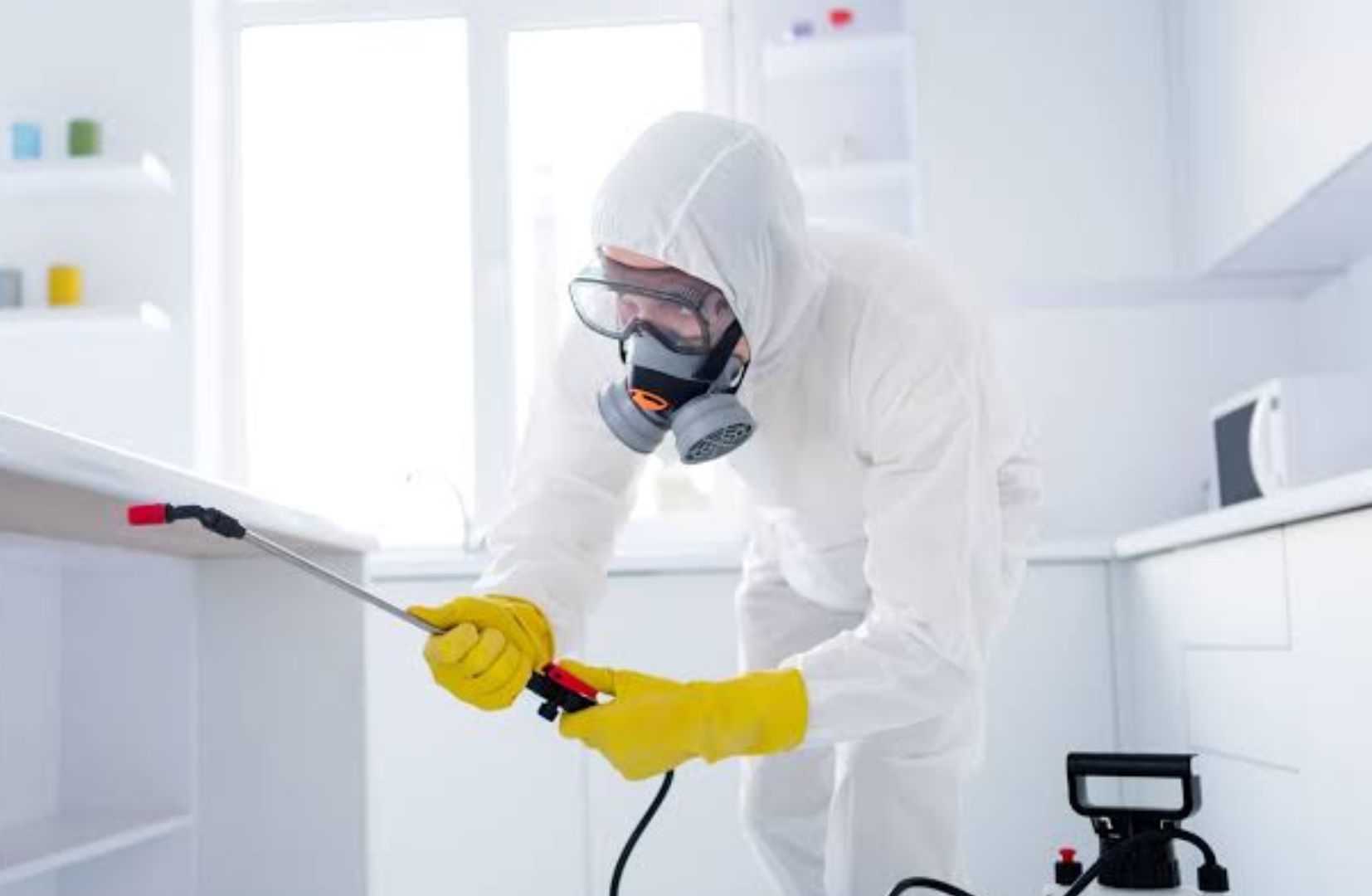
Maintaining a property involves more than keeping rooms clean and surfaces organized. It also requires attention to conditions that can attract unwanted insects and other pests. Ants, termites, cockroaches, rodents, and other pests can enter through small cracks, gaps around doors and windows, plumbing openings, damaged screens, and other access points. Once they find food, water, shelter, or suitable nesting conditions, they may continue returning and become increasingly difficult to manage. Professional pest management provides a structured way to identify pest activity, understand the conditions contributing to an infestation, and develop appropriate prevention or treatment strategies. Termite and ant control can be particularly important when recurring activity involves wood, structural areas, kitchens, storage spaces, or other parts of a property. Along with professional services, regular cleaning, proper food storage, moisture management, and routine maintenance can help create an environment that is less attractive to unwanted pests.
Understanding Why Pest Problems Develop
Pest infestations rarely happen without a reason. Most pests enter a property because they can find something they need, such as food, water, warmth, shelter, or a suitable place to reproduce. Small crumbs, food residue, overflowing waste containers, leaking pipes, standing water, clutter, and structural gaps can all contribute to pest activity. Professional pest management begins by understanding these conditions rather than focusing only on visible insects. Termite and ant control can help identify possible entry points and environmental factors when ants or termite-related activity becomes a concern. Addressing the underlying conditions is important because removing visible pests without changing the environment may allow new activity to appear later. A complete approach considers both the infestation and the factors that support it.
Recognizing Early Warning Signs
Many pest problems begin with subtle signs that can easily be overlooked. Property owners may notice a few ants along a countertop, small holes in wood, discarded insect wings, droppings, damaged packaging, unusual sounds, or small piles of debris near certain areas. These signs should not automatically be ignored, especially when they appear repeatedly. Professional pest management can help determine whether these observations indicate a larger problem. Termite and ant control may involve inspecting areas where activity has been noticed and checking nearby spaces for additional signs. Early identification can make it easier to determine the source of an infestation and take suitable action. Keeping track of where pests appear and how frequently they are seen can also provide useful information during an inspection.
Protecting Wooden Structures
Wooden materials can require special attention when termite or certain ant activity is suspected. Termites can feed on cellulose-based materials and may remain hidden inside structures, making their activity difficult to detect through casual observation. Certain ants can also establish nests in damaged or moisture-affected wood. Professional termite and ant control can help distinguish between different types of pest activity and identify areas that may require further inspection. Property owners should pay attention to damaged wood, unusual tunnels, discarded wings, or other signs that may suggest insect activity. Moisture problems should also be addressed because damp or deteriorated wood can create favorable conditions for some pests. Regular inspections can help identify concerns before they become more extensive.
Keeping Kitchens Less Attractive to Pests
Kitchens are among the areas most likely to attract pests because they contain food, water, waste, and frequently used surfaces. Crumbs, spilled drinks, grease, open food containers, and food waste can provide accessible sources of nutrition. Ants may follow trails to these resources, while other insects can also be attracted to residue and moisture. Professional pest management can complement good kitchen hygiene by addressing active pest activity and helping identify potential entry points. Termite and ant control may be appropriate when repeated ant activity occurs around cabinets, countertops, windows, doors, or other areas. Food should be stored in sealed containers when practical, spills should be cleaned promptly, and waste should be removed regularly. These simple habits can reduce some of the conditions that encourage pest activity.
Managing Moisture and Water Sources
Moisture is another common factor associated with pest activity. Leaking faucets, damaged pipes, condensation, poor drainage, and standing water can provide suitable conditions for certain insects. Bathrooms, kitchens, utility spaces, and areas near plumbing should be checked regularly for signs of excessive moisture. Professional termite and ant control can help identify whether moisture-related conditions may be contributing to recurring pest activity. Repairing leaks and improving ventilation can reduce the availability of water sources. While moisture control does not eliminate every type of infestation, it can support a broader prevention strategy. Keeping areas dry and addressing plumbing problems promptly can make the property less favorable to pests that depend on damp environments.
Sealing Cracks and Entry Points
Many pests can enter through very small openings, so structural maintenance plays an important role in prevention. Cracks around windows, gaps beneath doors, openings near pipes, damaged screens, and spaces around utility connections can provide access. Professional pest management may include identifying these potential entry points and recommending appropriate exclusion measures. Termite and ant control can be more effective when access points and contributing conditions are addressed alongside treatment. Sealing suitable cracks, maintaining door sweeps, repairing screens, and checking utility openings can reduce opportunities for pests to enter. Property owners should inspect both interior and exterior areas regularly because new gaps can develop as buildings age or materials shift.
Maintaining Clean Storage Areas
Storage spaces can become overlooked because they are often used for items that are not accessed every day. Cardboard boxes, clutter, food products, moisture, and undisturbed materials may provide hiding places for insects and rodents. Professional pest management can be supported by keeping storage areas organized and accessible for regular inspection. Termite and ant control may be particularly relevant when pest activity is repeatedly noticed around stored materials or wooden structures. Items should be arranged so that floors, walls, and corners remain accessible where practical. Unnecessary clutter should be removed, and food should not be stored in open or damaged packaging. Regularly inspecting storage areas can make it easier to notice pest trails, droppings, damaged materials, or other warning signs.
The Importance of Regular Inspections
Regular inspections can help identify pest activity before it becomes widespread. Areas around foundations, windows, doors, kitchens, bathrooms, storage spaces, wooden structures, and plumbing connections can be checked for signs of pests or conditions that may attract them. Professional pest management can provide a more detailed assessment when recurring activity is present or when the source of an infestation is unclear. Termite and ant control services may include inspection of areas where these pests commonly establish activity. Regular inspections can be especially useful for properties with a history of infestations or conditions that make pest activity more likely. Keeping records of inspections and previous treatments can also help identify recurring problems and support more informed future decisions.
Choosing Appropriate Treatment Methods
Not every pest problem should be treated in the same way. Different species have different behaviors, nesting habits, food sources, and environmental preferences, so identifying the pest is an important step before selecting a treatment. Professional pest management can help determine the appropriate approach based on the type and extent of activity. Termite and ant control may involve targeted treatment, monitoring, exclusion, environmental improvements, or other suitable measures depending on the circumstances. Pest-control products should always be used according to their labels and applicable safety instructions. Applying products indiscriminately may not address the actual source of an infestation. A targeted approach can help focus treatment where it is most relevant while supporting a broader prevention plan.
Protecting Food and Household Supplies
Proper food storage can significantly reduce opportunities for pests to find accessible food inside a property. Dry goods, sweets, pet food, grains, and other items should be stored in suitable sealed containers when practical. Open packaging, crumbs, and food residue can attract ants and other insects even when the amount seems small. Professional pest management can address active problems, but household habits remain important for preventing future activity. Termite and ant control can be supported by keeping pantry shelves clean, checking packages for damage, removing expired products, and cleaning spills promptly. Garbage should also be managed regularly because food waste can provide an additional attraction. A clean and organized food-storage system can reduce the resources available to pests.
Maintaining Outdoor Areas
Pest activity inside a property may sometimes begin outside. Vegetation, wood debris, soil, standing water, leaf piles, and other materials can provide shelter or food for certain pests. Professional pest management can include consideration of exterior conditions when recurring indoor activity is reported. Termite and ant control may require attention to areas around wooden structures, foundations, outdoor storage, or other locations where pest activity is observed. Keeping outdoor spaces reasonably clear can make inspections easier and reduce potential hiding places. Organic debris should be managed appropriately, while vegetation should be maintained so that it does not create unnecessary pathways toward the structure. Exterior maintenance can therefore complement indoor cleaning and pest prevention efforts.
Why Professional Assistance Can Be Valuable
Some pest problems may appear simple at first but can become difficult to manage when the source is hidden. Professional technicians can have experience identifying different types of pest activity and recognizing signs that may not be obvious to property occupants. Professional termite and ant control can help when visible activity continues despite cleaning and basic preventive measures. A professional assessment can consider where pests are appearing, what may be attracting them, how they are entering, and whether activity is occurring in concealed areas. Treatment recommendations can then be based on the specific circumstances rather than general assumptions. Property owners should provide information about previous infestations and any areas where pests have repeatedly appeared so the assessment can be as useful as possible.
Creating a Long-Term Prevention Routine
Effective pest prevention requires continued attention rather than a single response to an infestation. After treatment, property owners should continue monitoring for signs of activity and maintain conditions that discourage pests. Professional pest management can become part of a long-term maintenance routine when regular inspections or follow-up services are appropriate. Termite and ant control can be supported by sealing cracks, controlling moisture, storing food properly, removing waste, maintaining outdoor spaces, and keeping storage areas organized. If pest activity returns, it is useful to investigate the reason instead of repeatedly treating only the visible insects. Recurring activity may indicate an unresolved entry point, food source, moisture issue, or nesting location that requires further attention.
Maintaining a Healthy and Comfortable Environment
A property affected by recurring pests can become uncomfortable and difficult to maintain. Insects may appear in kitchens, bathrooms, bedrooms, storage spaces, and other areas where people regularly spend time. Some pests can also contaminate food or surfaces, while others may damage materials or property components. Professional pest management can support a cleaner environment by addressing unwanted activity and helping reduce conditions that encourage infestations. Termite and ant control can be part of this strategy when these particular pests are involved. However, professional treatment should work alongside regular cleaning, proper sanitation, moisture control, and property maintenance. Combining these practices can help create a more comfortable environment and make it easier to identify new pest activity at an early stage.
Conclusion
Professional pest management plays an important role in protecting a property from unwanted insects and other pests. Infestations can develop when food, water, shelter, moisture, clutter, or accessible entry points are available, which means prevention should address more than visible pests alone. Termite and ant control can help property owners identify activity, assess potential sources, and choose suitable management strategies when these pests become a concern. Alongside professional assistance, maintaining clean kitchens, sealing cracks, managing moisture, organizing storage areas, protecting food, and inspecting indoor and outdoor spaces can reduce conditions that encourage infestations. Regular attention can also make it easier to recognize warning signs before a problem becomes more difficult to manage. By combining professional guidance with consistent property maintenance, owners can support a cleaner, safer, and better-maintained environment while reducing the likelihood of recurring pest problems.

