


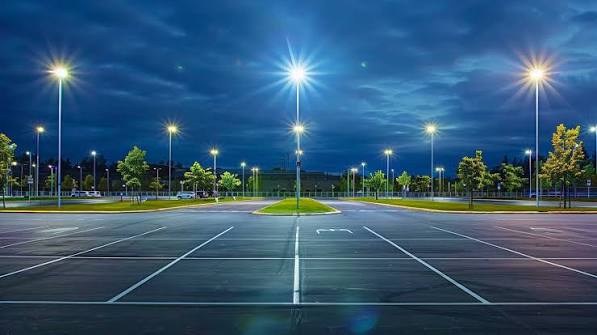
Parking lot light poles do more than hold outdoor lighting fixtures. They determine how high the lights sit, how far the light spreads, and how well a parking area is illuminated. Their design also affects the appearance of commercial properties. For businesses that want a clean and consistent outdoor look, white light poles are a practical option.
White light poles for parking lot lights are commonly considered for shopping centers, office buildings, retail stores, hotels, warehouses, and other commercial properties. They offer a simple appearance that works with many building designs. However, choosing the right pole requires more than selecting a color. Material, height, wall thickness, mounting options, wind load, and fixture compatibility all affect performance.
A suitable pole should support the selected LED fixtures, withstand outdoor conditions, and provide the mounting height needed for proper light distribution. This guide explains how to choose white parking lot light poles based on actual project requirements.
What Makes White Light Poles a Good Choice for Parking Lots?
White is a versatile finish for outdoor lighting equipment. It works particularly well on properties where the owner wants the lighting infrastructure to match the building’s exterior.
Unlike the LED fixture, which produces light, the pole remains visible throughout the day. Its finish can therefore influence the overall appearance of the parking area.
White poles offer several practical advantages:
- Consistent appearance: Matching poles create a uniform look across large parking areas.
- Modern design: White finishes complement contemporary commercial buildings and retail properties.
- Flexible styling: They work with different architectural designs, landscaping, and outdoor fixtures.
- Daytime appearance: A white finish can blend with light-colored exterior walls and other building elements.
- Multiple configurations: White finishes are available on different pole shapes, heights, and mounting arrangements.
The color itself does not improve light output or guarantee longer pole life. Structural quality, protective coating, and proper installation are more important when evaluating durability.
Types of White Light Poles for Parking Lot Lighting
The material and shape of a pole affect its strength, weight, maintenance requirements, and appearance. Understanding the available options helps narrow down the right product.
- White Steel Light Poles
Steel light poles are widely used in commercial and industrial outdoor lighting projects. Their strength makes them suitable for supporting different LED parking lot fixtures and mounting configurations.
They are available in round, square, and tapered designs. Steel poles can also be manufactured in different heights and structural specifications.
For outdoor use, look for a suitable corrosion-protection system. Galvanized steel with an appropriate white topcoat is one option, depending on the manufacturer’s specifications.
Steel poles are worth considering for large parking lots where structural capacity and long-term outdoor performance are important.
- White Aluminum Light Poles
Aluminum poles offer a lighter alternative to steel. Their lower weight can make transportation and handling easier during installation.
Aluminum naturally resists corrosion, although the quality of the finish and the surrounding environment still matter. These poles are available with white coatings and different mounting options.
Before choosing an aluminum pole, check its load capacity. The pole must safely support the combined weight and wind exposure of the LED fixtures, brackets, and other mounted equipment.
- Round White Light Poles
Round poles have a traditional appearance and suit many commercial parking lot designs. Their simple shape works with several types of pole-mounted LED fixtures.
They are available in straight and tapered designs. The choice depends on the desired appearance and structural requirements.
- Square White Light Poles
Square poles have a more defined appearance than round models. Their straight edges can complement modern office buildings, shopping centers, and commercial developments.
They are a good option when the visual design of the lighting system is an important part of the project.
How to Choose the Correct Pole Height
Pole height directly affects light distribution. If the poles are too short, the fixtures may create concentrated bright areas with limited coverage. If they are too tall, the lighting system may need different fixture outputs or optical distributions to maintain the required illumination at ground level.
Common parking lot pole heights include:
| Pole height | Typical application |
| 12–15 feet | Small parking areas and walkways |
| 15–20 feet | Small commercial parking lots |
| 20–25 feet | Medium-sized parking areas |
| 25–30 feet | Large commercial parking lots |
| 30–40 feet | Large industrial and commercial sites |
These heights are general planning examples, not universal recommendations.
For instance, a small retail property may need 15- or 20-foot poles, while a larger shopping center may require 25- or 30-foot poles. The final decision should account for parking lot dimensions, fixture output, beam distribution, pole spacing, and required illumination levels.
Also, distinguish between mounting height and total pole height. A fixture installed on top of a pole or an extended bracket may have a different mounting height from the pole’s nominal height.
How Many LED Fixtures Should Each Pole Support?
The number of fixtures mounted on each pole depends on the lighting layout and the areas that need illumination.
Common configurations include:
Single-arm mounting: One fixture is installed on a single arm. This arrangement is suitable when light needs to be directed toward a particular section of the parking lot.
Double-arm mounting: Two fixtures are installed on separate arms. They can direct light toward different areas and help cover larger sections.
Three-fixture mounting: Three fixtures can be positioned in different directions to provide wider coverage around selected pole locations.
Four-fixture mounting: Four fixtures may be used at larger parking areas or locations where light is required in several directions.
Adding more fixtures does not automatically improve lighting. Poorly aimed fixtures can cause glare and uneven illumination. The pole must also be rated for the additional weight and wind load.
A photometric layout helps determine whether one, two, or more fixtures are needed at each location.
Choosing the Right LED Parking Lot Fixtures
A white pole provides structural support, but the LED fixture determines the light output and distribution. Both components should be selected together.
Lumen Output
Lumens measure the total visible light produced by an LED fixture. Higher lumen output can be useful for larger areas, but it does not guarantee better ground illumination.
The fixture’s optical design, mounting height, and aiming direction determine how effectively that light reaches the parking surface.
Avoid selecting fixtures based only on wattage. Two LED fixtures with the same wattage can have different lumen outputs and light distributions.
Color Temperature
Color temperature describes the appearance of white light and is measured in Kelvin (K).
- 3000K: Produces a warm white appearance.
- 4000K: Produces a neutral white appearance.
- 5000K: Produces a cooler white appearance.
For commercial parking lots, 4000K and 5000K are common choices. The final selection should consider visibility, the property’s appearance, user preferences, and local lighting requirements.
Beam Distribution
LED parking lot fixtures use different optical distributions to direct light across the ground.
Some distributions are designed for fixtures installed near parking lot edges, while others work better for interior rows or specific mounting positions.
Choosing the correct distribution helps reduce dark areas and prevents unnecessary light from reaching nearby buildings or roads.
Weather Protection
Parking lot fixtures operate outdoors and must withstand rain, dust, moisture, and temperature changes.
Check the fixture’s IP rating, housing construction, lens quality, and manufacturer’s warranty. The electrical connections and mounting hardware should also be suitable for outdoor installation.
White Parking Lot Light Pole Spacing and Placement
Pole spacing determines how evenly light is distributed across the parking area. Incorrect spacing can create dark gaps between poles, even when the installed fixtures produce plenty of lumens.
Several factors affect the correct spacing:
- Pole mounting height
- LED fixture output
- Optical distribution
- Parking lot width and length
- Required average illumination
- Uniformity requirements
- Nearby buildings, trees, and other obstructions
For example, a parking lot with 20-foot poles may need closer spacing than a design using 30-foot poles. However, the result depends on the selected fixtures and their optical performance.
Avoid using a fixed spacing rule for every project. A photometric lighting study provides a more reliable layout by showing predicted illumination levels, bright spots, dark areas, and uniformity across the parking surface.
It can also help identify opportunities to reduce unnecessary fixtures without compromising lighting performance.
What to Check Before Buying White Light Poles
A pole may look suitable in a product photograph but still be unsuitable for a particular parking lot. Check its technical specifications before placing an order.
Pole Height and Wall Thickness
Confirm the pole’s height, diameter, shape, and wall thickness. These specifications affect its structural performance and ability to support the selected fixtures.
Do not assume that two poles with the same height have the same load capacity.
Wind Load Rating
Wind creates pressure on both the pole and the mounted fixtures. The larger the fixture’s projected surface area, the greater the wind load it may create.
Check the pole’s design criteria against the applicable local wind requirements. Consider the complete fixture and bracket assembly rather than the pole alone.
Base Plate and Anchor Bolts
The base plate connects the pole to its foundation. Its dimensions, bolt pattern, and thickness must match the installation requirements.
Check the anchor bolt specifications before preparing the concrete foundation. Incorrect bolt placement can create installation problems.
Protective Finish
For white steel poles, ask about the corrosion-protection process and exterior coating. A suitable coating helps protect the metal and maintain its appearance.
For aluminum poles, check the coating type and finish quality.
Fixture Compatibility
Confirm that the pole can accommodate the selected mounting brackets, fixture weight, and required number of LED lights.
Also check the manufacturer’s recommendations for mounting orientation and installation.
Installation Requirements for White Parking Lot Light Poles
Proper installation protects the lighting system and helps prevent structural and electrical problems.
Start by reviewing the site plan, underground utilities, soil conditions, and pole locations. Each pole needs a properly designed concrete foundation that accounts for its height, wind exposure, and structural requirements.
The anchor bolts must be positioned according to the manufacturer’s drawings. Once the foundation is ready, the pole can be installed, aligned, and secured.
Electrical work should include suitable grounding, weather-resistant connections, and properly rated protective devices. A qualified electrician should handle the connections according to applicable electrical codes.
After mounting the LED fixtures, check their aiming direction. The final inspection should confirm that the poles are secure, fixtures are properly positioned, and the lighting system operates as intended.
Common Mistakes When Choosing White Light Poles
Some purchasing and planning mistakes can increase project costs or create problems after installation.
- Choosing by appearance alone: A white finish does not guarantee structural strength or weather resistance.
- Ignoring fixture weight: Multiple LED fixtures and mounting brackets increase the load on the pole.
- Selecting the wrong height: Incorrect mounting height can affect illumination and uniformity.
- Skipping photometric calculations: Guessing pole positions can create unnecessary bright and dark areas.
- Overlooking foundation requirements: The pole and foundation must be designed as a complete structural system.
- Ignoring maintenance: Damaged coatings, loose hardware, and electrical problems should be identified during routine inspections.
Final Thoughts
White light poles for parking lot lighting combine a clean appearance with practical mounting options for commercial outdoor lighting projects. However, the right choice depends on more than color and design.
Consider the pole material, height, structural rating, finish, fixture compatibility, and installation requirements before purchasing. Steel and aluminum offer different advantages, while round and square designs provide different appearance options.
Most importantly, select the poles and LED fixtures as part of one lighting plan. A photometric study can help determine the required mounting height, fixture distribution, pole spacing, and expected illumination levels.
With the right specifications and proper installation, white parking lot light poles can support a reliable lighting system while maintaining a consistent appearance across your commercial property.

