


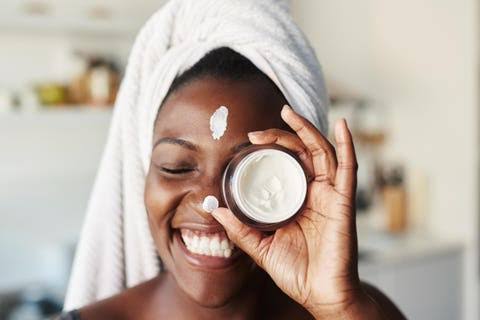
New York has always been a testing ground for new ideas, and the beauty industry is no exception. While major corporations still dominate department store shelves, a quieter shift is happening online and in neighborhood boutiques across the city. Independent beauty brands are growing at a pace that the biggest names in the industry simply cannot match. According to NielsenIQ, indie beauty dollar sales rose 22.3 percent year over year, compared to just 6.1 percent for large conglomerates. That gap is not closing anytime soon.
Why indie brands are winning over New York consumers
The appeal is not hard to understand. Smaller brands tend to be more transparent about their ingredients, more responsive to customer feedback, and more willing to take risks on formulations that larger companies would spend years testing in focus groups. For New Yorkers who are used to discovering the next best thing before everyone else, that kind of agility is attractive.
The numbers back it up. Indie brands now hold roughly 32 percent of total beauty and personal care sales in the United States, with an even larger share in facial skincare, where they account for about 41 percent. That is a remarkable figure for brands that often start with nothing more than a kitchen counter and an Instagram account.
Social media as the new storefront
Much of the growth is happening online. Around 70 percent of indie beauty sales come through digital channels, and platforms like TikTok Shop have become major revenue drivers. The top 25 indie brands on TikTok Shop generated approximately 512 million dollars in the twelve months ending June 2026. That is not pocket money.
What makes social media so effective for these brands is authenticity. A short video showing someone applying a product in their bathroom carries more weight than a polished commercial for many consumers. Brands like Honeybalm have built loyal followings by letting the product speak for itself rather than relying on celebrity endorsements or massive advertising budgets.
The challenge of staying small in a big market
Growth brings its own problems. As indie brands scale up, they face pressure to maintain the qualities that made them popular in the first place. Supply chain costs, retail partnerships, and competition from other emerging brands all create stress. Industry analyst Julie Pefferman has noted that many brands past their ten-year mark may struggle to survive in the current climate, as the market becomes more crowded and consumers are quicker to move on.
For consumers, though, this constant churn means there is always something new to discover. And for the brands that do manage to stay true to their roots while growing responsibly, the reward is a customer base that is more loyal than anything a billboard in Times Square could buy.
New York’s beauty landscape is changing, and the shift is being driven from the ground up. The brands shaping the next chapter of the industry are not the ones with the biggest budgets. They are the ones with the best products and the most direct connection to the people who use them.

