


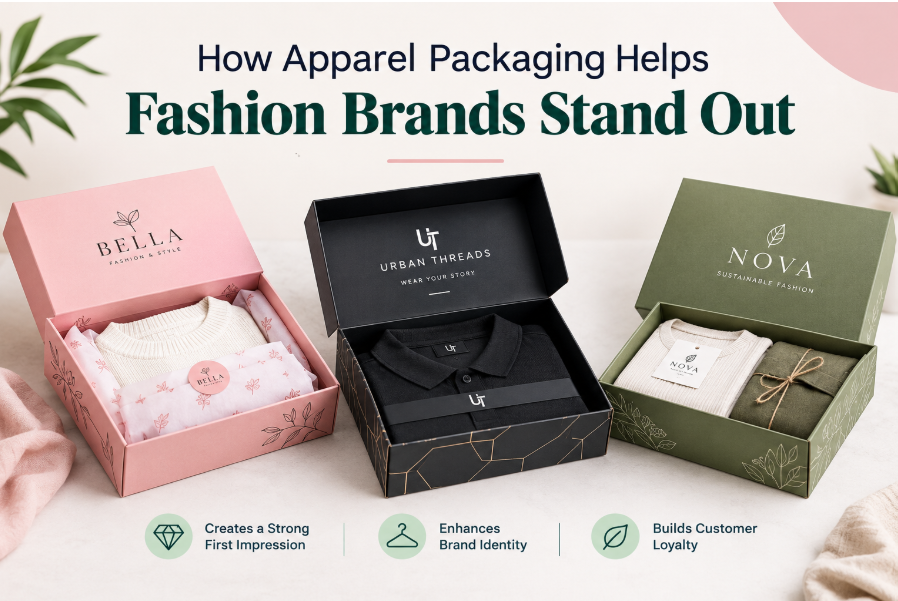
In the fashion industry, presentation plays an important role in shaping customer expectations. Clothing brands focus on fabric quality, design, and comfort, but packaging also contributes to the overall shopping experience. A well-designed box can protect garments, organize clothing items, and create a professional impression before customers even see the product inside.
Whether a business sells luxury shirts, accessories, scarves, or clothing gift sets, suitable packaging can help communicate its identity. Thoughtful design, durable materials, and consistent branding allow fashion businesses to create a more memorable experience for their customers.
Why Packaging Matters for Clothing Businesses
Packaging is often the first physical interaction customers have with a fashion brand, particularly when they purchase products online or receive gifts. A carefully prepared package can make the delivery feel more special and demonstrate attention to detail. Choosing custom apparel boxes wholesale allows clothing businesses to maintain consistent packaging quality while managing costs for larger orders.
For retailers, packaging also helps keep garments organized during storage, transportation, and presentation. Properly sized boxes can reduce unnecessary movement and help folded clothing maintain a neat appearance.
Businesses can explore different styles of custom apparel boxes to find packaging that suits their products, brand image, and presentation requirements. Selecting the right structure, material, and printing design makes it easier to balance appearance with practical functionality while creating a consistent brand experience.
Choose Packaging That Matches Your Products
Different clothing products require different packaging solutions. A box designed for a formal shirt may not be suitable for a collection of accessories or a premium clothing gift set. Understanding the product’s dimensions and presentation requirements helps businesses choose an appropriate design.
Shirt and T-Shirt Packaging
Shirts and T-shirts can benefit from boxes that provide enough room for neat folding without allowing excessive movement. A clean interior arrangement helps the garment look organized when the customer opens the package.
Brands selling premium shirts may prefer rigid boxes because their sturdy construction creates a more substantial presentation. Simpler packaging styles can also work well for everyday clothing, depending on the product and budget.
Packaging for Fashion Accessories
Ties, scarves, belts, cufflinks, and similar accessories often require compact packaging. Smaller boxes can help keep these items arranged neatly while reducing unused space.
Custom inserts, tissue paper, and internal compartments may be useful when several accessories are sold together. These features help maintain organization and make gift sets easier to present.
Clothing Gift Boxes
Gift packaging gives fashion businesses another opportunity to create a positive customer experience. A coordinated box, attractive color scheme, and carefully arranged garments can make a clothing item feel more suitable for birthdays, holidays, anniversaries, and corporate gifting.
Adding a personalized message or branded card can also make the presentation feel more thoughtful without requiring an overly complicated design.
Use Branding to Build Recognition
Consistent branding helps customers recognize a business across different products and shopping experiences. Packaging can support this identity through carefully selected colors, typography, logos, and design elements.
A logo does not need to dominate every surface. Instead, businesses can place it strategically on the lid, front panel, or interior to create a balanced appearance. Using a consistent visual style across multiple box sizes can also help connect different product collections.
Custom printing provides additional opportunities to communicate brand values. Minimalist graphics may suit contemporary fashion labels, while metallic details and textured finishes can complement premium collections.
The most effective design is one that reflects the brand’s personality while keeping important information easy to identify.
Select Materials for Durability and Presentation
Material selection influences the appearance, strength, and overall cost of apparel packaging. Businesses should consider the weight of the garment, intended use, shipping conditions, and desired presentation before making a decision.
Rigid board is often suitable for premium packaging because it provides a firm structure and helps the box retain its shape. Cardboard and paperboard can offer practical alternatives for businesses that need versatile packaging for everyday retail products.
Kraft-based materials may appeal to brands that prefer a natural, understated appearance. However, businesses should evaluate the complete packaging construction, including coatings, adhesives, and additional components, before making environmental claims.
Choosing appropriate materials helps ensure the packaging supports the product rather than becoming an unnecessary expense.
Improve the Customer Unboxing Experience
The unboxing experience can influence how customers perceive a product and the brand behind it. Packaging does not have to be complicated to feel professional. Small details, such as neatly folded garments, clean printing, and a well-fitted lid, can make a noticeable difference.
Businesses can consider several practical improvements:
- Use tissue paper to wrap delicate or premium garments.
- Include care instructions where they are useful.
- Add branded cards for customer messages or product information.
- Choose inserts when multiple items need to remain organized.
- Ensure the box opens and closes comfortably without damaging the contents.
Every additional feature should serve a purpose. Excessive packaging can increase material use and costs without necessarily improving the customer’s experience.
Consider Storage, Shipping, and Costs
An attractive box must also work efficiently throughout the supply chain. Oversized packaging may require more storage space and increase shipping volume, while a box that is too small can compress garments or make presentation difficult.
Before placing a large order, businesses should measure their folded products and account for tissue paper, inserts, cards, and other components. Ordering samples can help confirm the dimensions, material quality, printing accuracy, and overall fit.
Fashion businesses should also compare production quantities and packaging specifications. Standardizing selected box styles across a product range may simplify inventory management while allowing different sizes to accommodate individual garments.
Planning packaging requirements in advance can help businesses manage seasonal demand, promotional launches, and gift collections more effectively.
Make More Considered Packaging Choices
Many customers and businesses are paying greater attention to material use and packaging waste. Fashion brands can respond by choosing appropriately sized boxes, reducing unnecessary components, and exploring recyclable paper-based materials where suitable.
Reusable packaging may also provide additional value when the box is sturdy enough for customers to store accessories or other personal items. Still, recyclability and environmental performance depend on the materials and finishes used, so businesses should check the specifications before making sustainability claims.
A balanced approach considers product protection, presentation, cost, and material responsibility together.
Conclusion
Apparel packaging is more than a container for clothing. It supports product protection, brand recognition, organized presentation, and the customer experience. By selecting suitable materials, practical box styles, and consistent branding, fashion businesses can create packaging that reflects their products and business identity. Custom luxury rigid boxes are an excellent option for premium clothing brands looking to enhance product presentation and deliver a sophisticated unboxing experience.
Careful measurements, sample testing, and thoughtful design decisions also help reduce unnecessary costs and improve packaging consistency. With the right approach, apparel boxes can become a valuable part of a fashion brand’s presentation strategy while supporting its long-term business goals.

