


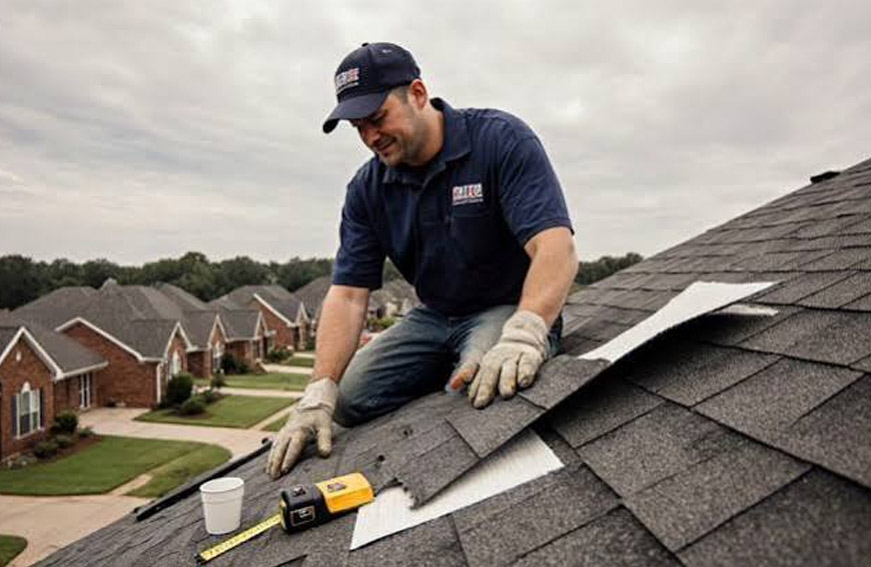
A roof is one of the most important protective components of a home, shielding the structure and interior spaces from rain, wind, sunlight, changing temperatures, and other outdoor conditions. Because the roof is constantly exposed to the elements, its materials and installation quality can have a major effect on the property’s long-term performance. Asphalt shingles remain a widely used roofing material because they offer a practical combination of appearance, durability, versatility, and relatively straightforward installation. However, the quality of the finished roof depends not only on the shingles selected but also on the condition of the underlying structure, ventilation, flashing, underlayment, drainage, and workmanship. Homeowners considering a roof replacement, repair, or new installation should therefore look beyond the visible surface and consider the complete roofing system. Working with experienced shingle roofers can help homeowners understand the condition of their existing roof, compare suitable materials, identify potential problem areas, and develop an installation or replacement plan based on the property’s specific requirements. A carefully planned roofing project can improve protection while also creating a cleaner exterior appearance and supporting the long-term value of the home.
Understanding the Role of Asphalt Shingles
Asphalt shingles are designed to provide a protective exterior layer over the roof while offering flexibility in color, style, and overall appearance. Their popularity comes partly from the wide variety of products available, allowing homeowners to select options that complement different architectural styles. Shingles are manufactured in different grades and configurations, and their performance can vary depending on construction, installation, environmental exposure, and maintenance. Homeowners should avoid choosing a product based solely on appearance because the roofing system underneath the shingles is equally important. A properly installed roof typically includes several layers that work together to control water, support ventilation, protect vulnerable areas, and provide a durable surface. When these components are correctly installed, shingles can perform effectively as part of the complete roofing assembly. A professional assessment can help determine which shingle type is appropriate and whether the existing roof structure is ready for new materials.
Evaluating the Existing Roof Before Replacement
Before beginning a roofing project, it is important to understand the condition of the existing roof. Some roofs may have isolated damage that can be repaired, while others may have widespread deterioration that makes replacement a more practical option. Signs such as missing or damaged shingles, exposed underlayment, excessive granule loss, cracked materials, deteriorated flashing, or recurring leaks can indicate that professional attention is necessary. Interior warning signs can also provide useful information, including water stains on ceilings or walls, damp attic insulation, or visible moisture around roof penetrations. However, a roof can have underlying problems even when there are no obvious interior signs. Regular inspections can help identify issues before they develop into extensive structural or moisture-related damage. During an inspection, professionals can evaluate the shingles, flashing, valleys, roof edges, ventilation, gutters, and other components that contribute to overall performance. This broader assessment allows homeowners to make decisions based on the actual condition of the roofing system instead of relying only on visible surface damage.
Selecting the Right Shingle Material
Choosing shingles involves more than selecting a preferred color. Homeowners should consider the product’s construction, expected service life, weather resistance, appearance, maintenance requirements, and compatibility with the existing roof structure. Architectural shingles, for example, are designed with a dimensional appearance that can provide additional visual depth compared with basic three-tab designs. Different manufacturers also offer products with varying specifications and warranty terms. Homeowners should review these details carefully and ask the contractor to explain what each option provides. Climate exposure, roof pitch, attic ventilation, and surrounding environmental conditions may also influence which products are appropriate. A qualified roofing professional can explain the differences between available materials and help homeowners understand how each choice may perform under normal conditions. The goal should be to select a product that balances appearance, performance, durability, and budget rather than simply choosing the most expensive or least expensive option.
The Importance of Proper Roof Preparation
A new shingle roof cannot perform properly if the surface underneath it has unresolved problems. Before installation begins, the roofing contractor should evaluate the decking and other supporting components for signs of moisture damage, deterioration, or structural weakness. Damaged decking may need to be repaired or replaced before new roofing materials are installed. Proper preparation also includes addressing flashing around chimneys, vents, skylights, valleys, walls, and other areas where water movement can create vulnerabilities. Underlayment provides another important layer of protection beneath the shingles and should be installed according to the manufacturer’s requirements and appropriate roofing practices. Roof edges and penetrations should receive careful attention because these areas are particularly important to water management. Thorough preparation may require additional time, but it can help reduce the risk of premature problems and provide a more reliable foundation for the new roofing system.
Why Installation Quality Matters
The quality of installation can significantly influence how well a shingle roof performs over time. Even high-quality shingles can experience problems when they are installed incorrectly. Shingles need to be properly aligned, fastened, and integrated with the surrounding roofing components. Incorrect nail placement, inadequate fastening, poor flashing, improper ventilation, or insufficient attention to roof edges can create vulnerabilities that may not be immediately visible after the project is completed. Experienced shingle roofers understand that a roofing project involves more than placing shingles across the roof surface. They must consider water flow, wind exposure, roof geometry, penetrations, ventilation, flashing, and the manufacturer’s installation requirements. Professional workmanship can help ensure that the different components operate together as intended. Homeowners should therefore ask prospective contractors about their installation methods, experience with similar projects, warranties, and approach to addressing unexpected conditions discovered during the work.
Roof Ventilation and Moisture Management
Ventilation is an important part of a complete roofing system because it helps manage temperature and moisture within the attic space. Poor attic ventilation can contribute to excessive heat buildup during warm weather and moisture accumulation during colder conditions. Over time, these conditions may affect roofing materials, insulation, wood components, and overall indoor comfort. Proper ventilation typically involves a balanced system that allows air to enter through appropriate intake points and leave through exhaust openings. The exact configuration depends on the roof design, attic structure, and existing ventilation system. Homeowners replacing an older roof should ask whether the current ventilation is functioning properly and whether improvements are appropriate. A roofing contractor can inspect existing vents and determine whether they are blocked, damaged, insufficient, or improperly configured. Addressing ventilation during a roof replacement can help protect the new roofing system and support better long-term performance.
Protecting Vulnerable Roofing Areas
Certain areas of a roof require additional attention because they are more exposed to water movement or involve transitions between different materials. Valleys are particularly important because they collect and direct water toward drainage areas. Chimneys, plumbing vents, skylights, dormers, walls, and roof-to-roof transitions also require properly installed flashing to reduce the risk of water intrusion. Roof edges and eaves need appropriate treatment as well because wind-driven rain and runoff can place additional stress on these areas. A roofing project should therefore include a careful examination of all vulnerable points rather than focusing exclusively on the main field of shingles. When flashing is old, damaged, or improperly installed, simply replacing the shingles may not resolve the underlying problem. A comprehensive roofing approach considers every area where water could potentially enter and ensures that those components are properly integrated into the new system.
Understanding Roof Repairs Versus Replacement
One of the most important decisions homeowners face is determining whether a roof requires repair or complete replacement. Small areas of damage may sometimes be repaired without replacing the entire roof, particularly when the surrounding materials remain in good condition. However, widespread deterioration, recurring leaks, extensive granule loss, multiple damaged areas, or an aging roofing system may indicate that replacement deserves consideration. The decision should be based on the condition of the complete system rather than a single visible problem. A professional inspection can help determine whether repairing one area is likely to provide a lasting solution or whether additional deterioration could continue to create problems. Homeowners should also consider the age and previous repair history of the roof. If a roof has required repeated repairs in different locations, a complete replacement may need to be evaluated as part of a longer-term maintenance strategy. Getting a professional assessment before making a decision can help prevent unnecessary work while ensuring serious problems are not overlooked.
Coordinating Roofing With Siding and Exterior Work
Roofing is closely connected with other parts of the home’s exterior, including siding, gutters, fascia, soffits, and trim. When several exterior components require improvement, coordinating the work can create a more consistent appearance and reduce the possibility of having to disturb newly completed materials later. For example, roof replacement may involve work around roof edges where fascia and soffit components are located. If these materials are already deteriorated, addressing them during the roofing project may provide a more complete result. Siding and roofing colors can also be selected to complement one another, creating a cohesive exterior design. Homeowners planning multiple improvements should discuss the complete project with their contractor so the sequence of work can be organized appropriately. A company familiar with both roofing and siding can provide useful guidance about how these systems interact and how individual improvements can be coordinated.
Maintaining a Shingle Roof After Installation
A new roof still requires routine attention even when high-quality materials and professional installation are used. Regular inspections can help identify minor problems before they become larger concerns. Homeowners should watch for missing, lifted, cracked, or damaged shingles and should also pay attention to flashing, roof edges, and areas around penetrations. Gutters and downspouts should be kept clear because blocked drainage can cause water to accumulate near roof edges or overflow against exterior walls. Branches and other debris should also be removed when they collect on the roof because prolonged moisture and physical contact can contribute to material deterioration. After severe weather, an inspection can be particularly useful because wind and falling debris may cause damage that is not immediately obvious from the ground. Prompt attention to minor concerns can help protect the roofing system and potentially reduce the cost and complexity of future repairs.
Improving the Appearance of the Home
A roof has a significant visual impact because it covers such a large portion of the exterior. Replacing worn or inconsistent shingles can make the property appear cleaner and better maintained while allowing homeowners to update the overall design. Shingle manufacturers offer numerous colors, textures, and profiles, giving homeowners flexibility when coordinating the roof with siding, trim, doors, and other exterior features. However, aesthetic decisions should still be balanced with practical considerations. The selected product needs to be appropriate for the roof design and installed according to the manufacturer’s requirements. Homeowners should also consider how the selected color and style will work with existing exterior materials rather than choosing a roofing product in isolation. A coordinated design can make the entire exterior appear more intentional and balanced.
Choosing an Experienced Roofing Contractor
Selecting a qualified contractor is one of the most important steps in a roofing project. Homeowners should look for a company with experience in shingle installation, repair, replacement, flashing, ventilation, and related exterior work. A professional contractor should be able to inspect the existing roof, explain the condition of the materials, provide clear recommendations, and describe the proposed installation process. It is also useful to ask about warranties, project preparation, cleanup procedures, and how unexpected structural or moisture-related problems will be handled. Clear communication can help homeowners understand the scope of work before the project begins. When researching roofing services, homeowners can explore shingle roofers who can assist with roofing improvements while also providing related exterior services. Choosing a contractor with experience across multiple exterior systems can be particularly useful when the project involves roofing, siding, windows, trim, or other connected components.
Planning a Successful Roofing Project
Good planning can make a roofing project more organized and help homeowners avoid unnecessary complications. Before work begins, homeowners should identify their primary goals and communicate them clearly to the contractor. These goals may include replacing deteriorated materials, improving the exterior appearance, addressing recurring leaks, preparing for long-term weather exposure, or coordinating the roof with a larger siding renovation. A professional inspection should establish the current condition of the roof and identify any components that may require repair or replacement. Homeowners should also discuss material choices, ventilation, flashing, underlayment, warranties, installation procedures, and cleanup. Understanding these details beforehand makes it easier to compare proposals and determine what is included in each project. Rather than choosing a contractor based solely on the lowest price, homeowners should consider the complete scope of work and the quality of materials and workmanship being provided. Working with experienced shingle roofers can also help ensure that important roofing details are properly evaluated and addressed throughout the project. A detailed plan can help ensure that the finished roof meets both practical and aesthetic expectations.
.Conclusion
A shingle roof is a major investment in the protection, appearance, and long-term performance of a home. Choosing suitable materials is important, but the success of the project also depends on preparation, ventilation, flashing, underlayment, roof structure, drainage, and installation quality. Experienced shingle roofers can help homeowners evaluate existing conditions, identify potential problems, select appropriate materials, and complete the project using proper installation practices. Regular maintenance after installation can further protect the roofing system by allowing small concerns to be identified before they develop into more extensive problems.Homeowners should approach roofing projects as complete exterior improvements rather than focusing only on the visible shingles. Coordinating roofing with siding, gutters, fascia, soffits, and other exterior components can create a more consistent appearance and help ensure that connected systems work together effectively. With careful planning, quality materials, professional workmanship, and regular maintenance, a properly installed shingle roof can provide reliable protection while enhancing the overall appearance and functionality of the property.

