


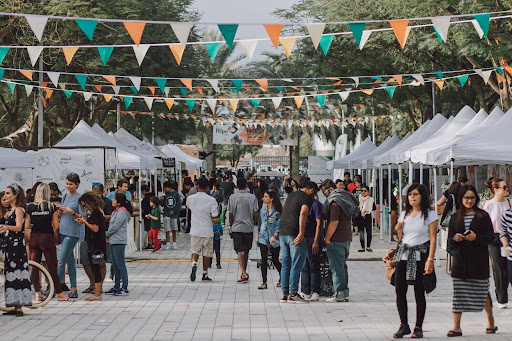
Setting up an outdoor booth can take a lot of energy before visitors even arrive. Many vendors struggle to carry heavy aluminum frames across parking lots and event spaces. Bulky parts can slow down the entire setup process. Choosing the right frame material can make this work much easier.
Magnesium frames are becoming a popular option for trade shows, festivals, and racing events. They offer a strong structure without adding too much weight. This makes them easier to carry, transport, and assemble. Teams can spend less time handling equipment and more time preparing their displays.
The Reality of Commercial Setup Weight
Anyone who works at outdoor events knows how tiring heavy equipment can be. Carrying metal frames across grass, gravel, and parking lots puts pressure on the body. The problem becomes worse when teams have several events in one week.
When you invest in a strong pop up tent for a busy event schedule, choosing a lighter frame can make a big difference. A lighter design makes travel and setup easier. Staff can move equipment without needing extra help for every heavy part.
The right frame can also reduce packing time. Crews can handle their equipment faster and prepare the booth without wasting energy. This gives them more time to arrange products, banners, and other display items.
Understanding the Difference Between Magnesium and Aluminum
The weight of a metal depends on its density. Density tells us how much a material weighs within a certain amount of space. This is one reason magnesium is useful for portable structures.
A material comparison explained that magnesium parts can weigh about 34% less than aluminum parts of the same size. This difference can have a clear effect on the total weight of an outdoor booth frame.
A lighter frame is easier to move from one place to another. One team member may be able to carry the equipment bag and help open the frame without asking for extra support. This can make a big difference for small businesses with limited staff.
Strength and Weight: A Useful Combination
Reducing weight does not mean giving up strength. Outdoor frames must support fabric, signs, sidewalls, and other equipment. They also need to handle wind and other weather conditions.
A manufacturing brief highlighted the strong strength-to-weight ratio of magnesium alloys. This means they can offer useful strength without adding as much weight as some other metals.
This feature makes magnesium worth considering for commercial booth frames. Strong legs and support bars help keep the canopy stable during regular use. The frame must also handle movement and pressure without losing its shape.
Structural Strength Under Pressure
Outdoor booths often carry more than a simple fabric roof. Many businesses attach lights, banners, shelves, and other display items to their structures. These extra items create more pressure on the frame.
Material performance data showed that modern magnesium alloys can reach a yield strength of 174 MPa and a tensile strength of 281 MPa. These figures show that some magnesium alloys can offer strong mechanical performance.
Yield strength describes the amount of stress a material can take before it begins to change shape permanently. Tensile strength measures how much pulling force a material can handle before breaking.
Why Lower Density Improves Portability
Field crews notice small weight differences during long event days. Carrying equipment across a large festival site can become tiring, especially when the team has several bags to move.
A technical breakdown by Magnesium Alloy Plate placed magnesium density near 1.8 g/cm³. Aluminum has a density of about 2.7 g/cm³. This means magnesium is much lighter when comparing equal volumes of each metal.
For event businesses, this difference can improve daily transport. Staff can load more equipment into a cargo van without filling the vehicle with heavy frame parts. They can also move display kits through narrow venue spaces with less effort.
Long-Term Durability of Magnesium Frames
Outdoor booth equipment faces regular exposure to sunlight, wind, rain, and repeated movement. A frame must handle these conditions while keeping its shape and function.
A metallurgical analysis from Luxfer MEL Technologies discussed the mechanical properties of magnesium alloys and their potential use in strong, lightweight structures. Modern alloy designs can provide useful strength while keeping the overall weight low.
Durability also depends on how the frame is made. The thickness of each tube, the quality of the joints, and the design of the locking parts all matter. A strong alloy alone cannot guarantee a reliable booth.
Real-World Frame Weight and Load Performance
Commercial equipment must do more than support a simple canopy. Many businesses use sidewalls, product signs, lighting systems, and other display accessories. These items add weight and create extra pressure on the frame.
An equipment review from PSS Gear noted the strong strength-to-weight benefits of magnesium in comparison with traditional aluminum designs.
For event teams, the main goal is to find a frame that stays stable during normal use. Support legs should hold their position without bending under expected loads. Scissor bars must also support approved accessories without becoming loose or unstable.
Frame Rigidity During Rain and Wind
Weather can change quickly during outdoor events. Rain creates extra problems when water collects on the canopy roof. Pooled water adds weight and can place stress on the support bars.
A rigid frame helps the canopy maintain its intended shape. When the fabric is fitted and tensioned correctly, water can move toward the edges instead of collecting in low spots.
Strong support legs also help the booth remain stable during changing weather. However, no lightweight frame should be treated as completely windproof. Proper anchoring, correct setup, and safe weather practices remain important.
Transport Savings Across Long Event Tours
Businesses that travel to several events each month understand the cost of moving equipment. Every extra kilogram adds to the total load carried by the vehicle.
An equipment guide from Hercules Gazebo reported that magnesium frames can be up to 35% lighter than some premium aluminum models. The exact difference depends on the frame design and materials used.
Saving 20 to 30 pounds per frame can make regular transport easier. Small vehicles may have more room for other equipment. Larger teams can also organize their cargo space more effectively.
Final Thoughts
Choosing the right frame material can change the way a business handles outdoor events. Magnesium offers a useful mix of low weight and structural strength. This makes it easier to carry, transport, and assemble commercial booth equipment.
Check out the rest of our articles for more information!

