


Buying a pre-owned vehicle can be a smart way to find reliable transportation while staying within your budget. However, choosing the right vehicle requires more than comparing prices and checking its appearance. You need to understand its condition, maintenance history, mileage, and overall performance before making a decision. If you are exploring used cars for sale near Pearisburg, VA, taking the time to inspect each vehicle can help you avoid unexpected repair costs and choose a car that meets your everyday driving needs. Whether you are purchasing your first vehicle or replacing an older one, knowing what to check before buying can make the entire process easier and more rewarding.
Start by Understanding Your Driving Needs
Before visiting a dealership, consider what you expect from your next vehicle. Different drivers have different priorities, and understanding yours will help narrow down the available options. For example, someone who regularly commutes to work may prioritize fuel efficiency, comfortable seating, and dependable performance. A growing family may need additional passenger space, advanced safety features, and sufficient cargo capacity.
Think about your typical driving conditions around Pearisburg and the surrounding areas. If you frequently travel on highways, consider vehicles that offer comfortable handling and good fuel economy. If your daily routine involves carrying equipment, groceries, or outdoor gear, an SUV or pickup truck may provide the flexibility you need.
Your budget should also include more than the vehicle’s purchase price. Insurance, fuel, registration, maintenance, and potential repairs all contribute to the total cost of ownership. Having a clear understanding of your needs and financial limits will make it easier to evaluate different used vehicles.
Check the Vehicle’s Exterior Condition
The exterior is one of the first areas to inspect when evaluating a used car. Walk around the vehicle and examine its body panels, paintwork, windows, lights, and tires. Look for scratches, dents, rust, and signs of previous repairs.
Pay particular attention to differences in paint color or texture between adjacent panels. Uneven paintwork or inconsistent gaps around doors, the hood, and the trunk may indicate previous collision repairs. These signs do not automatically mean a vehicle is unsafe, but they are worth discussing with the seller.
Rust deserves special attention, particularly around the wheel arches, door edges, underbody, and other areas exposed to moisture and road debris. Surface rust may be relatively minor, while deeper corrosion can affect structural components and become expensive to repair.
Check the headlights, brake lights, turn signals, and windshield for cracks or damage. Make sure the side mirrors are secure and that all doors open and close properly.
Tires can also reveal useful information about a vehicle’s condition. Examine the tread depth and look for uneven wear across the tires. Uneven tire wear may indicate alignment problems, suspension issues, or incorrect tire pressure. Ask whether the tires have been replaced recently and whether they match the vehicle’s recommended specifications.
Inspect the Interior and Available Features
Once the exterior inspection is complete, spend time examining the cabin. A well-maintained interior can provide clues about how carefully the previous owner treated the vehicle.
Start by checking the seats, dashboard, carpets, door panels, and headliner. Look for excessive wear, damaged upholstery, unpleasant odors, and signs of water intrusion. A musty smell or damp carpeting could indicate previous water leaks or flooding.
Test the air conditioning and heating systems to ensure they operate correctly. Check the power windows, door locks, mirrors, windshield wipers, and interior lights. If the vehicle has a touchscreen infotainment system, navigation, Bluetooth connectivity, or a backup camera, verify that these features work as expected.
Pay attention to dashboard warning lights when starting the engine. Warning indicators that remain illuminated after the vehicle starts may signal mechanical or electrical problems. Ask the dealership to explain any warning messages before moving forward.
Also, examine the seat belts and adjust the driver’s seat to make sure you can maintain a comfortable driving position. A vehicle may look attractive from the outside, but its interior should also provide the comfort and convenience you need.
Review the Vehicle History Report
A vehicle’s history is just as important as its current appearance. Before purchasing a used car, request a vehicle history report from a recognized provider. Services such as CARFAX and AutoCheck can provide information about reported accidents, ownership history, title records, and certain maintenance events.
Review the report carefully to determine whether the vehicle has been involved in a major accident, experienced flood damage, or received a salvage or rebuilt title. These details can significantly influence its value, reliability, and insurability.
Check the number of previous owners and compare the recorded mileage across different service and registration events. Inconsistent mileage records may indicate an odometer issue or incomplete documentation.
However, remember that a vehicle history report may not contain every event in the car’s past. Some accidents and repairs are never reported to these services. Therefore, a clean report should not replace a physical inspection or professional mechanical assessment.
Ask the dealership whether maintenance records are available. Documentation showing regular oil changes, brake servicing, tire replacements, and scheduled maintenance can provide additional confidence in the vehicle’s condition.
Examine the Engine and Mechanical Components
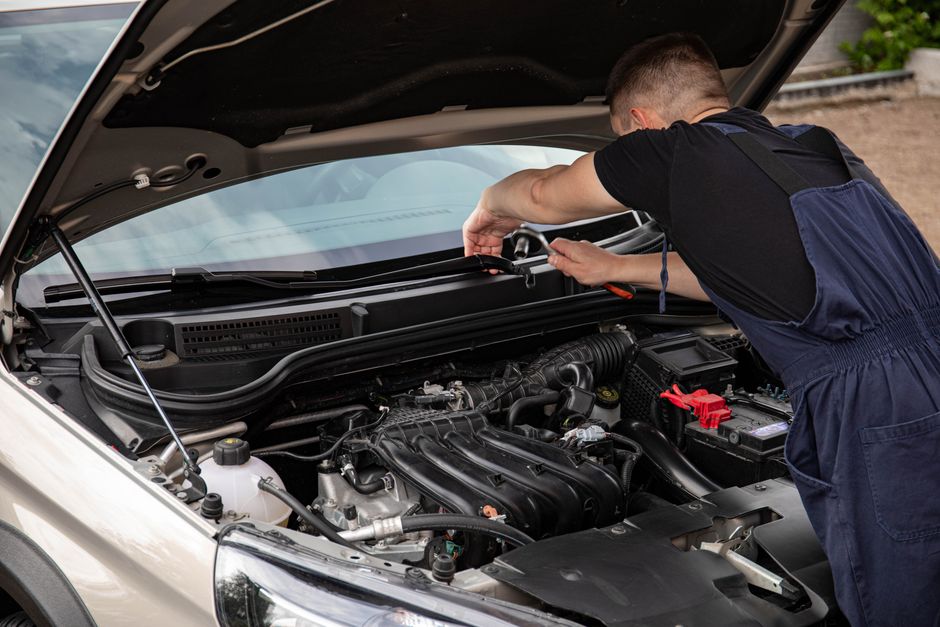
The engine is one of the most important parts of any used vehicle, so its condition deserves careful attention. If possible, inspect the engine when it is cold. A seller who has already warmed up the vehicle may make certain starting or performance problems less noticeable.
Look for visible oil leaks, damaged hoses, loose connections, and excessive corrosion around engine components. Check the engine oil level and appearance using the dipstick where applicable. Extremely dark, contaminated, or unusually low oil may indicate poor maintenance, although oil appearance alone cannot determine the engine’s overall health.
Pay attention to unusual noises when the engine starts and idles. Knocking, grinding, rattling, or excessive vibration should be investigated before purchasing the vehicle.
Other mechanical components also deserve attention. Check the transmission for smooth operation, inspect the brake system for signs of wear, and ask about recent suspension maintenance. If the vehicle has a manual transmission, pay attention to clutch engagement during the test drive.
For additional confidence, consider arranging a pre-purchase inspection with an independent qualified mechanic. A professional can identify potential problems that may not be obvious during a basic visual inspection.
Take the Car for a Test Drive
A test drive is essential when evaluating a used vehicle. It allows you to experience how the car performs under normal driving conditions rather than relying entirely on its appearance or advertised specifications.
Start the vehicle and pay attention to how easily the engine starts. Listen for unusual sounds and observe whether the idle remains smooth. During the drive, test the acceleration, braking, steering, and transmission response.
Drive on different types of roads when possible. Highway driving can help you evaluate stability and acceleration, while local streets provide an opportunity to assess low-speed handling and maneuverability.
Notice whether the steering wheel pulls to one side, the brakes produce unusual noises, or the suspension makes knocking sounds over uneven surfaces. Also, check whether the transmission shifts smoothly and whether the vehicle maintains a consistent temperature.
Test the parking brake, backup camera, and other available driving assistance features. If anything feels unusual, ask the dealership to investigate it before making a purchase decision.
Compare Prices and Review the Paperwork
After inspecting the vehicle and completing a test drive, compare its asking price with similar models in the market. Consider the year, mileage, trim level, condition, service history, and available equipment when evaluating its value.
A vehicle with a slightly higher asking price may offer better value if it has lower mileage, documented maintenance, and fewer signs of wear. On the other hand, a cheaper vehicle may require immediate repairs that increase its overall cost.
Before signing any paperwork, review the purchase agreement carefully. Confirm the agreed price, applicable fees, taxes, warranties, and any additional charges. Make sure the vehicle identification number matches the documentation and the vehicle itself.
If financing is involved, understand the interest rate, loan duration, monthly payment, and total repayment amount. Ask about any available warranty coverage and what it includes. Never rely solely on verbal promises; request important agreements in writing.
Choose a Reliable Dealership in Pearisburg
The dealership you choose can make a meaningful difference in your used-car buying experience. Look for a business that provides accurate vehicle information, transparent pricing, and opportunities to inspect and test-drive its inventory.
A trustworthy dealership should be willing to answer questions about vehicle history, maintenance records, previous ownership, and available warranty options. Sales representatives should also give you enough time to evaluate your choices without pressuring you into an immediate decision.
Buying a used car does not have to be complicated when you approach the process carefully. By checking the exterior, inspecting the interior, reviewing vehicle history, evaluating mechanical condition, and taking a proper test drive, you can make a more confident purchasing decision. Take your time, compare available options, and choose a vehicle that offers the right combination of reliability, comfort, performance, and value for your needs.

