


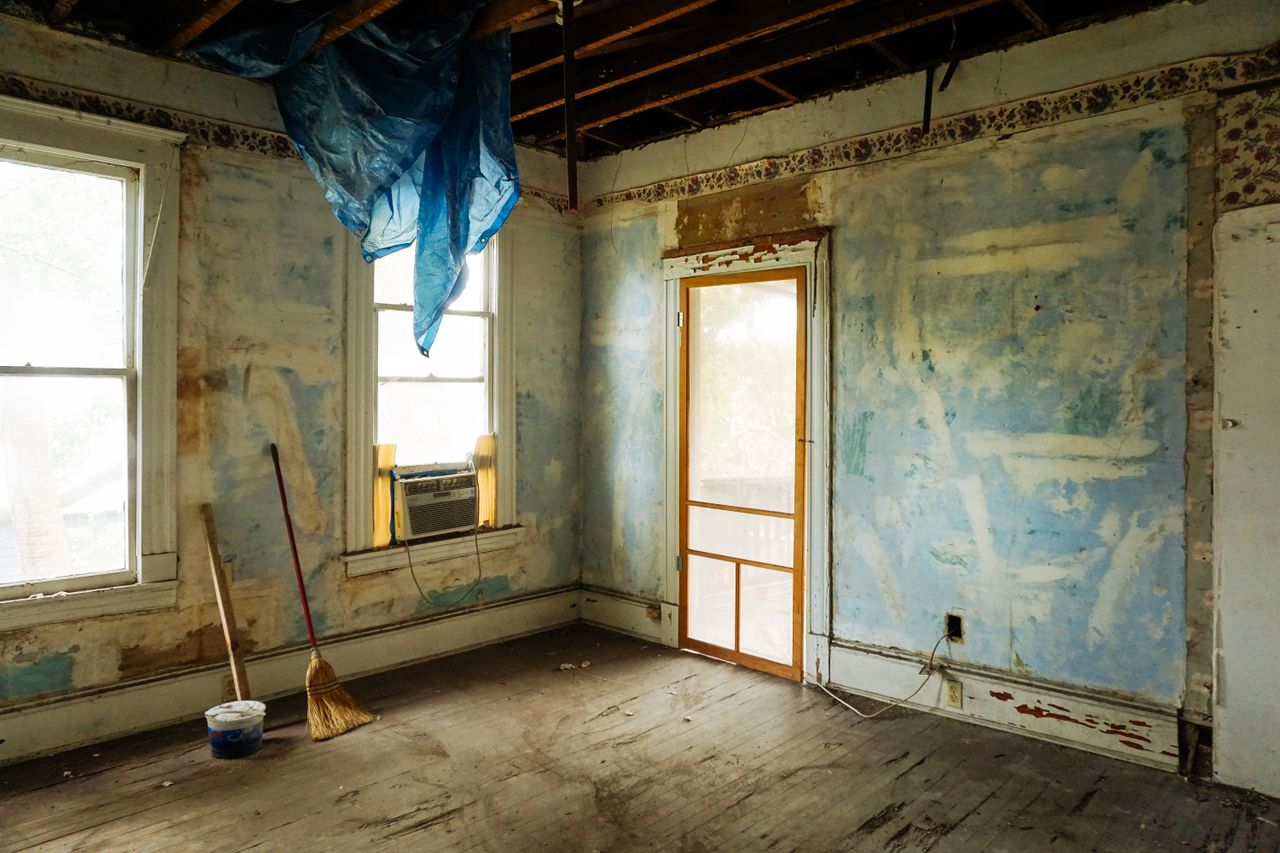
Renovating an older New York City home can uncover unexpected problems behind walls, beneath flooring, or around old pipes. One concern is asbestos, a mineral fiber historically used in building materials for insulation, fire resistance, and durability. If renovation work exposes a material that may contain asbestos, continuing demolition without an assessment can create an avoidable health risk.
Knowing how to handle asbestos during renovation NYC projects requires a careful approach. Homeowners need to identify potential hazards, understand local requirements, and arrange professional assessment before disturbing suspect materials. Taking these steps early can also help prevent construction delays and unexpected remediation costs.
1. Understand Where Asbestos May Be Found
Asbestos was used in various building products, particularly in older properties. In New York City, suspect materials may include:
- Flooring: Older vinyl floor tiles, sheet flooring, and associated adhesives.
- Insulation: Pipe insulation, boiler insulation, and certain insulating materials.
- Ceilings and walls: Some ceiling tiles, textured finishes, joint compounds, and wall materials.
- Roofing and siding: Certain older shingles and exterior building products.
These examples do not confirm that a particular material contains asbestos. Products that look similar can have different compositions, and visual inspection alone cannot reliably identify asbestos.
The U.S. Environmental Protection Agency (EPA) recommends professional sampling when suspect materials are damaged or when planned renovation work could disturb them. A qualified laboratory can then analyze the collected samples.
2. Stop Work if You Suspect Asbestos
If you uncover a suspicious material during demolition, do not continue cutting, drilling, sanding, scraping, or breaking it apart. Stop the work affecting that area and keep people away from the immediate work zone.
Do not attempt to collect a sample yourself. Improper sampling can release fibers that might otherwise remain contained within the material. Avoid sweeping, dry dusting, or using an ordinary household vacuum on debris that may contain asbestos.
If material has already been disturbed, avoid spreading dust to other rooms. Do not attempt an improvised cleanup. Contact a qualified asbestos professional for guidance on assessing the situation and determining appropriate next steps.
The presence of asbestos does not automatically mean a home is unsafe. Materials in good condition that will remain undisturbed can often be managed in place. The concern increases when renovation, deterioration, or damage could release airborne fibers.
3. Arrange a Professional Asbestos Inspection
Before resuming work that could affect suspect materials, arrange an assessment by a qualified professional. The assessment should focus on the materials within the planned renovation area, their condition, and the likelihood that construction will disturb them.
In NYC, a Department of Environmental Protection (DEP) Certified Asbestos Investigator can evaluate whether asbestos-containing materials are present and whether abatement is required for the proposed work.
Professional sampling and laboratory analysis can establish whether tested materials contain asbestos. The findings help determine whether the project can proceed as planned, needs modifications, or requires abatement first.
When planning asbestos during renovation NYC work, make sure the inspection covers all relevant areas rather than only the first material that raises concern. Hidden insulation, flooring layers, and other concealed products may also be affected by the proposed construction.
4. Understand NYC Asbestos Regulations Before Renovating
New York City has specific requirements governing asbestos investigations and abatement. Property owners should address these requirements before demolition or alteration work begins.
The NYC Department of Buildings explains that owners planning renovation, alteration, or demolition must determine whether asbestos-containing materials are present in areas affected by the work. Depending on the project, the owner may need an asbestos assessment and documentation before a building permit can be issued.
If abatement is required, the project generally needs a properly licensed asbestos abatement contractor and an independent air-monitoring firm. Applicable notification and filing requirements must also be addressed.
| Renovation stage | What homeowners should do | Why it matters |
| Before planning demolition | Identify older or suspect building materials | Helps determine whether further assessment is needed |
| Before disturbing materials | Arrange a qualified asbestos investigation when required | Establishes whether asbestos may be affected by the work |
| Before abatement | Confirm contractor qualifications and applicable filings | Supports compliance with NYC requirements |
| During abatement | Ensure required containment and monitoring procedures are followed | Helps control the release and spread of fibers |
| Before subsequent construction | Obtain applicable completion documentation and approvals | Helps establish that required abatement steps have been completed |
Not every renovation requires the same filings or permits. Requirements depend on the building, the materials involved, the scope of work, and applicable exemptions. Confirm the project’s obligations with the relevant NYC agencies and qualified professionals.
5. Choose the Appropriate Asbestos Management Method
Professional assessment does not always lead to complete removal. The right approach depends on the material’s condition, its location, and whether the renovation will disturb it.
Management in place: If asbestos-containing material is in good condition and will remain undisturbed, leaving it in place may be the most appropriate option.
Encapsulation or enclosure: A qualified professional may recommend sealing or covering suitable material to reduce the likelihood of fiber release. These methods do not remove the asbestos itself.
Professional removal: Removal may be necessary when planned construction will disturb the material, when it is significantly damaged, or when other conditions make continued management unsuitable.
For asbestos during renovation NYC projects, the decision should be based on the assessment findings and applicable regulations, not simply on a homeowner’s preference to remove every older material.
6. Plan Your Renovation Timeline and Budget Carefully
Asbestos concerns can affect construction schedules because investigation, laboratory analysis, contractor coordination, regulatory filings, and abatement may need to occur before other work can continue.
Discuss potential asbestos issues with your renovation contractor early, especially if the project involves removing old flooring, opening walls, replacing insulation, or altering ceilings. Ask who will arrange the assessment, coordinate the abatement contractor, and obtain required documentation.
Budget for professional investigation and any necessary corrective work. The cost and duration depend on the material, the affected area, the complexity of the project, and applicable regulatory requirements. Obtaining an assessment before demolition can help reduce uncertainty and prevent avoidable interruptions.
Plan a Safer Renovation With BigApple Asbestos
Handling asbestos during renovation NYC projects begins with recognizing potential hazards, stopping work when suspect materials are uncovered, and arranging the appropriate professional assessment. Homeowners should also confirm applicable city requirements before allowing renovation work to disturb potentially hazardous materials.
BigApple Asbestos is the company to contact when evaluating asbestos-related needs for a New York City renovation. Visit BigApple Asbestos to review its services and discuss the requirements of your property and project.
With the right assessment, qualified professionals, and careful planning, you can make informed decisions about asbestos management and move forward with renovation work more responsibly.

