


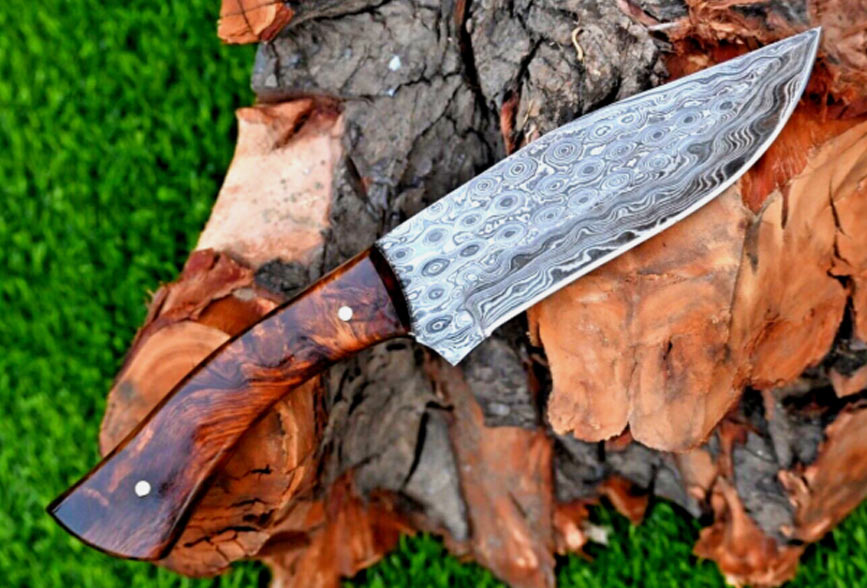
When shopping for a quality knife, you may come across Damascus steel blades featuring intricate patterns and distinctive designs. These knives attract attention because of their appearance, but many buyers have a practical question: are Damascus knives good, or are you simply paying extra for a decorative blade?
The answer depends on what you expect from a knife. A well-manufactured Damascus knife can combine attractive patterns with reliable cutting performance. However, the quality of the steel, heat treatment, blade design, and overall construction matters far more than appearance alone.
Whether you’re considering a kitchen knife, hunting knife, or collectible blade, understanding these differences will help you make a more informed purchasing decision.
What Makes Damascus Knives Different?
The most recognizable feature of a modern Damascus knife is its patterned blade. These designs are commonly created by forge-welding layers of steel together and processing the material to produce contrasting lines.
Depending on the manufacturing technique, the finished pattern may resemble flowing water, waves, twisting lines, or intricate geometric shapes.
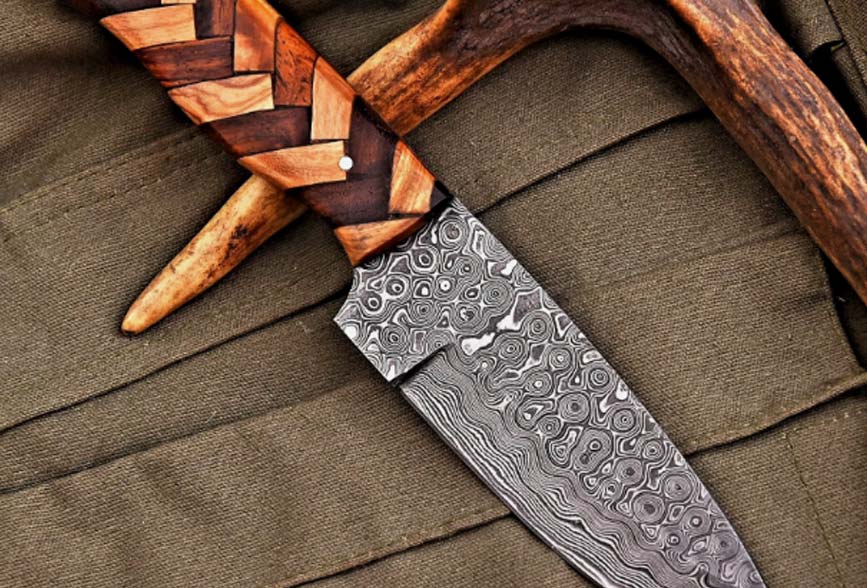
This distinctive appearance makes Damascus knives popular among collectors and people who appreciate traditional metalworking. Some designs also combine patterned blades with wooden handles, natural antler, or other materials that enhance their individual character.
However, a Damascus pattern is not a universal indicator of quality. The manufacturing process, materials, and finishing standards can vary considerably between knives.
Can Damascus Steel Deliver Excellent Performance?
Yes. A properly manufactured Damascus blade can provide excellent cutting performance, provided that its materials and construction are appropriate for its intended use.
Several factors influence how a knife performs.
Steel composition: The steels used in a Damascus blade affect properties such as toughness, corrosion resistance, and potential edge retention.
Heat treatment: Proper heat treatment helps establish the balance between hardness and toughness needed for the intended application.
Blade geometry: Blade thickness, grind, and edge angle influence how efficiently the knife cuts.
Sharpening quality: Even a well-made knife needs a properly formed cutting edge to perform effectively.
These characteristics are important whether a knife features Damascus steel or a conventional single-steel blade.
Consequently, a carefully manufactured conventional knife can outperform a poorly constructed Damascus knife. Buyers should evaluate the complete product rather than relying on its decorative finish.
Are Damascus Knives Suitable for Everyday Tasks?
Damascus knives are available in several designs, each intended for different applications.
Kitchen Preparation
Damascus chef’s knives are often chosen by people who appreciate the combination of practical kitchen design and patterned steel. Depending on the blade’s geometry and construction, they can be suitable for tasks such as slicing vegetables, chopping herbs, and preparing other ingredients.
For kitchen use, consider comfort, balance, cutting performance, corrosion resistance, and ease of maintenance.
Outdoor Activities
Some Damascus knives are designed for appropriate outdoor utility tasks. Fixed-blade models may appeal to users who prefer traditional outdoor styling, while particular folding designs offer a more compact format.
The suitability of a knife depends on its specific dimensions, construction, and intended application.
Collecting and Display
Damascus knives can also appeal to collectors who appreciate distinctive blade patterns and craftsmanship. Natural wood or antler handles may add visual interest to traditional designs.
For collectors, finishing quality, construction, maker information, and the overall design may be particularly important.
Choosing a knife for a specific purpose is more useful than assuming every Damascus model offers the same capabilities.
Are Damascus Knives Stronger Than Ordinary Steel Knives?
Not necessarily. This is one of the most common misconceptions about Damascus steel.
Modern pattern-welded Damascus blades contain layers of steel joined during manufacturing. The presence of multiple layers does not automatically make the finished blade stronger or more durable than a conventional steel blade.
Strength and durability depend on the steel grades, welding quality, heat treatment, blade geometry, and manufacturing standards.
A well-made Damascus blade can be durable, but the same is true of a properly manufactured conventional steel knife.
When evaluating durability, look for reliable material specifications and information about how the knife is constructed. Avoid choosing a product based solely on its layer count or the complexity of its pattern.
Do Damascus Knives Stay Sharp Longer?
Edge retention depends primarily on the characteristics of the cutting steel, its heat treatment, and the knife’s geometry.
Some Damascus knives can maintain a useful cutting edge for a long time, while others may require more frequent sharpening. The same variation exists among conventional steel knives.
The number of visible layers does not independently determine how long a blade stays sharp.
If edge retention is a priority, investigate the actual steel composition and look for credible information about the knife’s performance. Also consider the intended application, since a blade designed for fine kitchen slicing may have different requirements from an outdoor utility knife.
Regardless of the steel, regular maintenance and appropriate sharpening help keep a knife in good working condition.
What Are the Main Advantages of Damascus Knives?
Damascus knives offer several potential benefits when the quality and design suit the buyer’s needs.
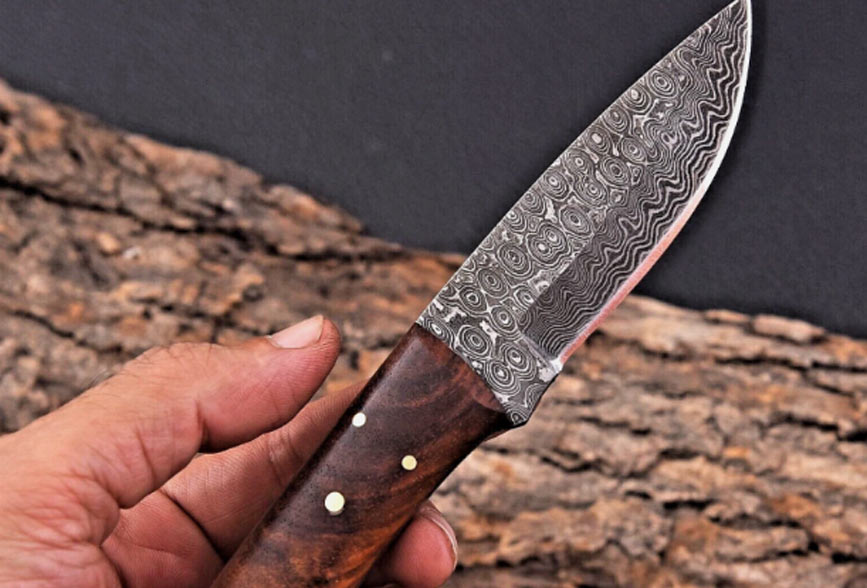
Distinctive appearance: Patterned steel provides a visual character that differs from many conventional blades.
Design variety: Damascus steel appears in kitchen knives, hunting knives, outdoor utility knives, and collectible designs.
Craftsmanship appeal: Some Damascus knives showcase considerable skill in forging, finishing, and handle construction.
Gift potential: Their distinctive appearance can make them appealing gifts for collectors and enthusiasts.
Practical performance: A well-made Damascus knife can provide reliable cutting performance when its materials, geometry, and heat treatment are suitable.
These advantages should be considered alongside the knife’s price, maintenance needs, and intended use.
What Are the Potential Disadvantages?
Despite their appeal, Damascus knives are not the ideal choice for everyone.
Higher Purchase Prices
Some Damascus knives cost more because of their manufacturing processes, materials, finishing, or decorative features. However, price alone does not guarantee better performance.
Compare specifications and construction before deciding whether a particular knife offers good value.
Corrosion Risk
Some Damascus blades contain carbon-steel alloys that require careful maintenance. Leaving moisture or food residue on the blade can contribute to corrosion.
Stainless Damascus varieties generally offer better corrosion resistance, although their maintenance requirements depend on the specific materials used.
Inconsistent Quality
The market includes knives with different levels of manufacturing quality. An attractive blade pattern cannot compensate for poor heat treatment, unsuitable materials, or inadequate construction.
Buyers should seek clear product information and purchase from sellers who accurately describe their products.
How to Identify a Good Damascus Knife
If you’re planning to buy a Damascus knife, use the following checklist to evaluate your options.
- Verify the steel information. Look for details about the blade’s composition and construction. Specific information is more useful than vague claims about premium quality.
- Consider heat treatment. Proper heat treatment is essential for balancing hardness and toughness. Review any reliable manufacturing information available.
- Match the blade to your needs. Consider whether you need a kitchen knife, hunting knife, outdoor utility knife, or collectible piece.
- Examine the handle. The handle should be securely fitted and suitable for the intended application. Materials such as wood, antler, and synthetic composites each have different characteristics.
- Check the overall finish. Look for consistent construction, appropriate blade geometry, and clear product specifications.
- Understand the care requirements. Determine how the blade should be cleaned, dried, stored, and sharpened.
- Compare value rather than price alone. A suitable knife should meet your needs without requiring you to pay extra for features that are unimportant to you.
How to Maintain a Damascus Knife Properly
Good maintenance helps preserve the knife’s condition and appearance.
Clean the blade after use and dry it thoroughly before storage. For blades containing carbon steel, apply a suitable protective oil when appropriate to help reduce the risk of corrosion.
Store the knife in a dry location and avoid leaving it in a damp sheath for extended periods. For kitchen knives, follow the manufacturer’s cleaning instructions and use food-safe protective products where necessary.
Natural handle materials may also require particular care. Avoid prolonged exposure to moisture, extreme temperatures, and harsh chemicals.
Sharpen the blade using a method appropriate for its steel and edge geometry. If you’re unsure about the correct technique, follow the manufacturer’s recommendations.
These simple practices can help maintain the appearance and usefulness of a well-made knife.
Where Should You Look for Damascus Knives?
When comparing Damascus knives, prioritize clear product descriptions, suitable materials, construction quality, and a design that matches your intended use.
Look beyond photographs and decorative patterns. Reliable information about the steel, dimensions, handle materials, included accessories, and maintenance requirements can help you make a better purchasing decision.
For readers interested in exploring different knife designs and craftsmanship-inspired styles, Blade vista provides an online destination for discovering available knife options.
Take time to compare products and consider your priorities before purchasing. The right knife is one that offers an appropriate combination of quality, practicality, appearance, and value.
Final Verdict: Are Damascus Knives Worth Buying?
Damascus knives can be worth buying if you appreciate their distinctive appearance and choose a model with suitable materials and reliable construction.
They are not automatically sharper, stronger, or more durable than conventional steel knives. Their performance depends on steel composition, heat treatment, blade geometry, sharpening quality, and overall workmanship.
Before making a purchase, consider your intended use, maintenance preferences, and budget. Compare product specifications rather than judging a knife solely by its pattern or price.
Ultimately, a well-made Damascus knife can be both a practical tool and an attractive addition to a collection. The best choice is one that meets your requirements and delivers the quality you expect.

