


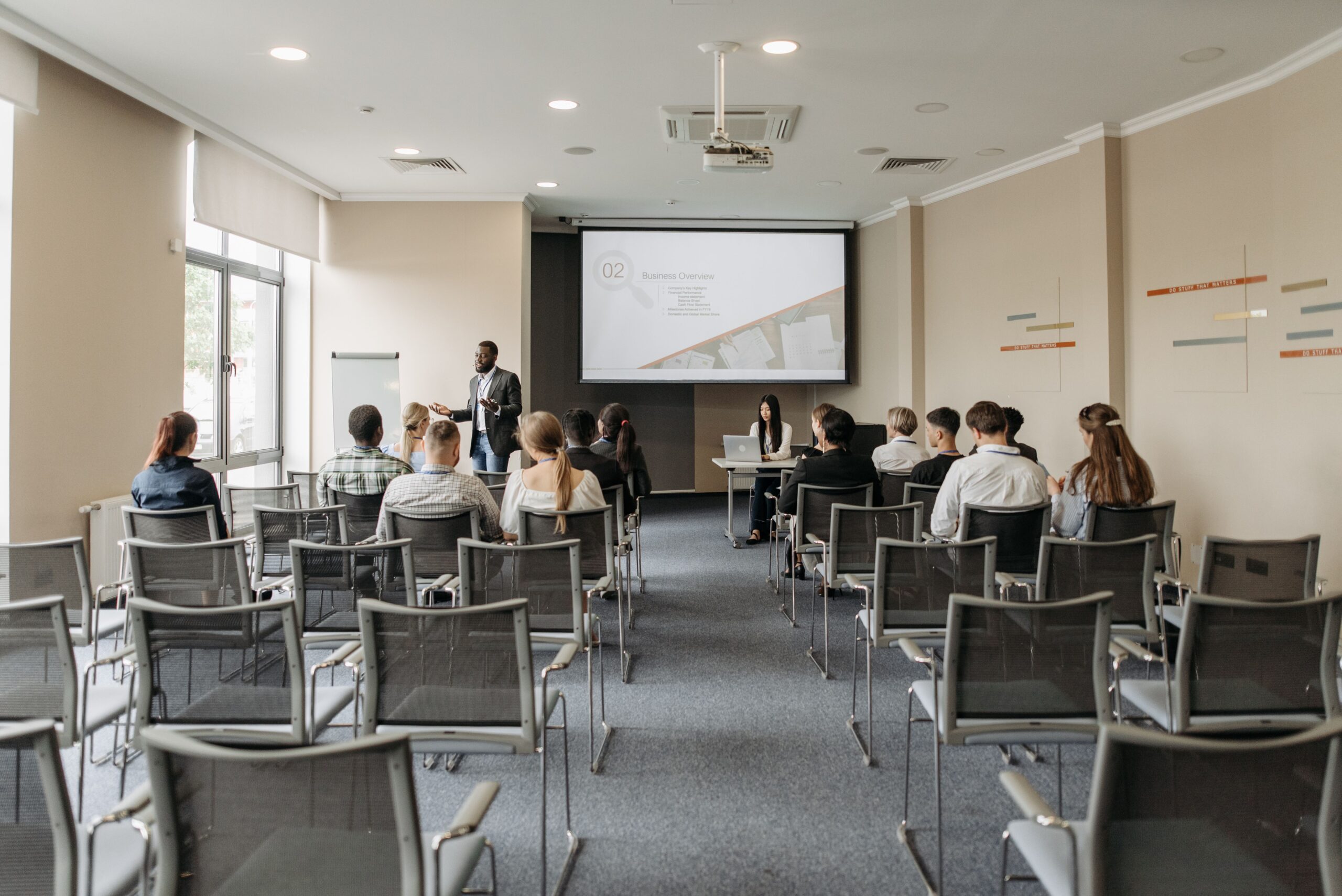
Corporate events can be powerful tools for strengthening company culture, improving employee engagement, and building stronger workplace relationships. However, not all events leave a lasting impression. The most successful corporate gatherings are thoughtfully planned around employee needs, business goals, and meaningful experiences. When done well, corporate events can boost morale, encourage collaboration, and remind employees that their contributions are valued.
1. Define Clear Objectives Before Planning
Every impactful corporate event begins with a clearly defined purpose. Before selecting a venue or planning activities, determine what you hope to accomplish. Your goals might include recognizing employee achievements, improving team collaboration, launching a new initiative, providing professional development opportunities, or strengthening company culture.
Having a clear objective helps guide every planning decision. For example, if the goal is team building, interactive activities and small-group networking opportunities may be most effective. If the focus is employee recognition, the event should prioritize awards, celebrations, and appreciation.
Gathering employee feedback before planning can also help ensure the event aligns with employee interests and expectations, increasing participation and overall satisfaction.
2. Choose the Right Format and Duration
The format of your event plays a significant role in employee engagement. Different goals require different approaches, and selecting the right structure helps maximize participation.
Potential event formats include:
- Team-building retreats
- Company celebrations
- Professional development workshops
- Leadership summits
- Networking events
- Volunteer activities
- Hybrid or virtual gatherings
The event’s length should also be carefully considered. Full-day events may work well for training or strategic planning sessions, while shorter events can be ideal for celebrations and employee appreciation. Avoid creating schedules that are so lengthy that attendees become disengaged or fatigued.
For organizations with remote employees, hybrid event formats can help ensure everyone feels included regardless of location.
3. Create Opportunities for Genuine Connection
One of the biggest benefits of corporate events is the opportunity for employees to build relationships outside their normal work environment. Meaningful connections can strengthen collaboration, improve communication, and foster a stronger sense of community throughout the organization.
Instead of relying solely on formal presentations, incorporate opportunities for organic interaction. Casual networking spaces, shared meals, collaborative activities, and team-based experiences often create the most memorable moments.
It is important to recognize that employees have different personalities and comfort levels. Offering a variety of engagement opportunities helps ensure both extroverted and introverted employees can participate comfortably. When people connect authentically, the positive effects often continue long after the event concludes.
4. Include Professional Development Opportunities
While social interaction is important, many employees also appreciate opportunities to learn and grow professionally. Incorporating educational content can make an event more valuable while reinforcing your organization’s commitment to employee development.
Consider including:
- Industry keynote speakers
- Leadership development sessions
- Skill-building workshops
- Panel discussions
- Career growth presentations
- Innovation showcases
Relevant and engaging learning experiences can help employees gain new insights and skills while keeping them invested in the company’s long-term success. Balancing educational content with social and recreational activities can create a well-rounded event experience that appeals to a broad range of attendees.
5. Focus on Logistics and Employee Experience
Even the most creative event can fall short if logistical details are overlooked. Smooth execution plays a critical role in how employees perceive the overall experience.
Pay close attention to factors such as:
- Registration and check-in processes
- Venue accessibility
- Parking availability
- Seating arrangements
- Audio-visual quality
- Food and beverage options
- Dietary accommodations
- Event scheduling
- Transportation needs
Clear communication before the event is equally important. Employees should receive all relevant details well in advance, including schedules, directions, expectations, and any required preparations.
For organizations hosting large-scale executive retreats, employee appreciation events, or company-wide gatherings, working with a high-end corporate event planner can help streamline logistics, vendor management, venue coordination, and attendee experiences. Professional support allows internal teams to focus on employee engagement rather than operational details.
6. Gather Feedback and Measure Success
The impact of a corporate event should be evaluated after it concludes. Collecting employee feedback can help identify what worked well and where improvements can be made for future events.
Post-event surveys can provide insight into:
- Overall satisfaction
- Favorite activities
- Areas for improvement
- Perceived value
- Suggestions for future events
Reviewing attendance rates, participation levels, and employee feedback allows organizations to continuously refine their event strategies and maximize return on investment.
Conclusion
Successful corporate events require more than simply bringing employees together in the same space. Clear objectives, thoughtful planning, meaningful interactions, professional development opportunities, and seamless logistics all contribute to a memorable and valuable experience.
When employees leave an event feeling appreciated, connected, and inspired, the benefits often extend far beyond the event itself. Stronger workplace relationships, improved morale, and enhanced company culture can continue to positively impact the organization long after the final activity ends. By planning with purpose and focusing on the employee experience, companies can create corporate events that deliver meaningful and lasting results.

