


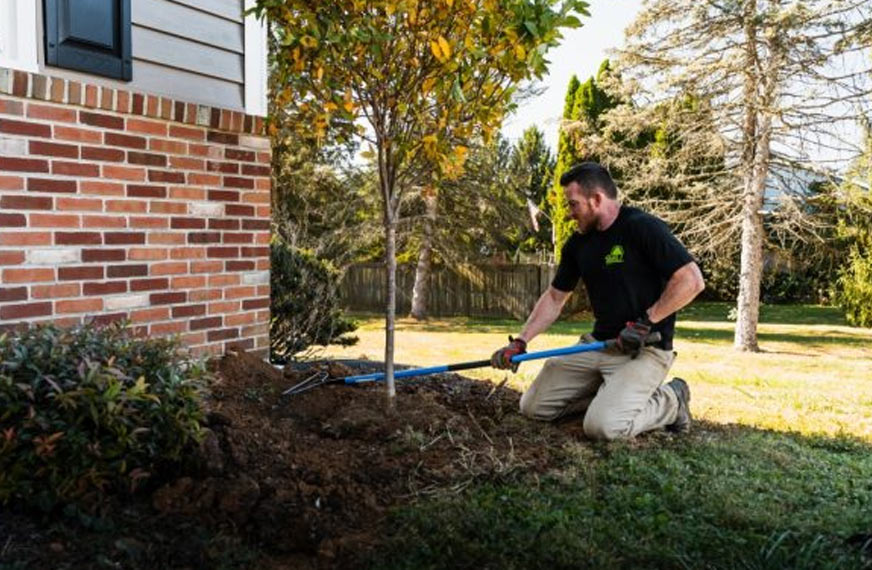
Trees contribute greatly to the appearance, comfort, and environmental quality of outdoor spaces. They provide shade during warm weather, support wildlife, improve visual appeal, and can become important long-term features of a landscape. Like other living plants, however, trees need appropriate care to remain healthy and structurally sound. Branches can become damaged, overcrowded, weak, or poorly positioned as a tree grows, while deadwood and excessive growth may create maintenance concerns. Tree pruning is an important part of responsible tree care because it allows selected branches to be removed for specific reasons while helping maintain a balanced structure. When carried out correctly, pruning can support healthy development, improve clearance, and address certain safety concerns without unnecessarily changing the natural character of the tree.
Understanding the Role of Regular Tree Care
Good tree care involves more than occasional cutting. Property owners should understand how trees grow, how their branches develop, and how environmental conditions can affect their health. Regular inspections can reveal dead branches, broken limbs, pest activity, disease symptoms, root disturbances, or changes in overall structure. Addressing minor issues early may prevent them from developing into more complicated problems. Tree pruning can be included within a broader maintenance program when branches require selective attention. Other practices, such as suitable watering, soil management, mulching, and protection from mechanical damage, can also contribute to healthier trees. A complete care routine considers the tree as a living system rather than focusing only on its visible branches.
Identifying Branches That Need Attention
Not every branch needs to be removed, even when a tree appears dense or uneven. Branches that are dead, broken, diseased, crossing, rubbing, or growing in a problematic direction may require closer evaluation. Dead branches can become brittle, while broken limbs may leave wounds that affect the tree’s condition. Branches that rub together repeatedly can create damaged areas where pests or decay may develop. Tree pruning can address selected problem branches when their removal supports the tree’s health or improves safety. Before making cuts, it is important to identify the purpose of the work and determine whether the branch genuinely needs to be removed.
Supporting Strong Tree Structure
A tree’s structure develops throughout its life, and the arrangement of its branches can influence how it handles wind, weight, and environmental stress. Weak branch attachments, multiple competing leaders, and overcrowded growth may create structural challenges as a tree becomes larger. Carefully planned tree pruning can help improve branch spacing and encourage a stronger framework, particularly when structural issues are addressed while a tree is still young. However, structural pruning should be conservative because removing too much material can create additional stress. The objective should be to guide development rather than force a tree into an unnatural shape. Thoughtful branch selection can support better structure while preserving healthy growth.
Removing Dead and Damaged Growth
Deadwood and damaged branches are common reasons for maintenance. Dead branches no longer contribute to active growth and may become increasingly fragile as they deteriorate. Broken branches can also create irregular wounds and may be unstable, especially after storms. Tree pruning can remove selected dead or damaged material while reducing unnecessary weight within the canopy. However, the amount of material removed should depend on the tree’s condition and the location of the branches. Some deadwood may have ecological value in appropriate natural settings, so removal decisions should consider both safety and environmental factors. Where branches pose a clear hazard, professional evaluation can help determine the safest course of action.
Improving Clearance Around Property
Trees often grow near buildings, roofs, fences, walkways, driveways, outdoor seating areas, and other structures. As branches become longer and heavier, they may interfere with access or come into contact with surfaces that require protection. Tree pruning can sometimes provide suitable clearance while allowing the majority of the healthy canopy to remain. This work should be planned with future growth in mind because cutting branches too aggressively may simply lead to rapid regrowth. The goal is to create adequate space without damaging the tree’s natural structure. Careful assessment can help determine which branches are creating genuine conflicts and which can remain without causing problems.
Encouraging Balanced Canopy Development
A balanced canopy can improve the appearance of a tree and help distribute branches more evenly around its structure. Trees may sometimes develop uneven growth because of competition for sunlight, previous damage, nearby structures, or natural growth patterns. Selective tree pruning may help manage certain imbalances, but drastic reshaping should generally be avoided. Removing large portions of one side of a tree can alter its structure and increase stress. A balanced approach focuses on individual branches rather than attempting to redesign the entire canopy. Preserving the tree’s natural form can contribute to better long-term growth and reduce the need for excessive maintenance.
Considering the Right Time for Maintenance
The best time to prune can depend on the tree species, climate, growth stage, and purpose of the work. Some maintenance tasks may be more appropriate during periods of reduced growth, while damaged or hazardous branches may require attention regardless of season. Property owners should avoid assuming that all trees respond identically to pruning. Tree pruning performed at an unsuitable time may affect the tree’s recovery or interact with seasonal pest and disease pressures. A professional tree specialist can consider the characteristics of the individual tree before recommending an appropriate maintenance period. Timing should always be part of the overall plan rather than an afterthought.
Using Appropriate Tools
The quality of pruning depends partly on using tools that match the size and position of the branches. Hand pruners and loppers may be appropriate for smaller growth, while pruning saws and specialized equipment may be necessary for larger branches. Tools should be clean, sharp, and maintained so cuts can be made accurately. Damaged or dull equipment may produce rough cuts or make it difficult to control the cutting process. Safety equipment is equally important, especially when branches are above shoulder height or located near structures. Property owners should avoid using ladders or powered cutting equipment in situations where they do not have the necessary training or experience.
Avoiding Excessive Cutting
One of the most important principles of responsible tree care is avoiding unnecessary removal of healthy branches. Trees depend on their foliage to produce energy, so excessive cutting can reduce the tree’s ability to support normal growth. Severe canopy reduction may also encourage rapid new shoots that are weakly attached. Tree pruning should therefore have a specific objective, such as removing deadwood, correcting a structural issue, or maintaining appropriate clearance. The amount removed should be limited to what is reasonably necessary for that purpose. Preserving healthy foliage and natural structure generally supports better long-term results than aggressive cutting.
Caring for Young Trees
Young trees can benefit from early structural guidance because small problems may become more difficult to correct as branches grow larger. Competing leaders, crossing branches, and poorly positioned growth can sometimes be addressed gradually while the tree is developing. Tree pruning for young trees should focus on establishing a strong framework rather than creating an immediately mature appearance. Removing too much growth can slow development and place unnecessary stress on a young plant. A gradual maintenance strategy allows the tree to develop its natural form while reducing the likelihood of major structural corrections later. Regular observation is useful because young trees can change significantly from one growing season to the next.
Maintaining Mature Trees
Mature trees require a particularly careful approach because their branches can be large and their established structure may not respond well to aggressive cutting. Removing a major limb can create a substantial wound and change the distribution of weight throughout the canopy. Tree pruning on mature trees should therefore focus on clearly defined objectives and should avoid unnecessary structural changes. Large branches may also require specialized equipment and controlled lowering techniques to prevent damage to buildings, landscaping, or other property. Professional evaluation is recommended when mature trees have significant deadwood, structural concerns, storm damage, or difficult access conditions.
Responding to Storm Damage
Severe weather can break branches, split trunks, expose roots, or change the stability of a tree. Damaged branches may remain suspended or partially attached, creating hazards that are difficult to judge from the ground. Tree pruning may be required after a storm to remove selected damaged material and restore a safer structure. However, storm-damaged trees can be unpredictable, particularly when large branches are under tension or when trunks have partially failed. Property owners should avoid attempting complicated emergency work themselves. A qualified professional can assess the damage and determine which branches require immediate attention and which parts of the tree can safely remain.
Protecting Nearby Structures and Landscaping
Tree maintenance should account for everything surrounding the work area. Branches can fall onto roofs, fences, vehicles, garden beds, patios, or other landscaping if they are not handled carefully. Before major work begins, movable objects should be relocated where possible, and the safest direction for lowering branches should be determined. Tree pruning near buildings or other obstacles requires additional planning because even a relatively small branch can cause damage when dropped from a height. Professional crews can use controlled techniques and suitable equipment to reduce these risks. Protecting the surrounding property is an essential part of responsible tree maintenance.
Managing Trees Near Utility Infrastructure
Trees located near electrical lines and other utility infrastructure require special care. Branches that touch or approach energized electrical equipment can create extremely dangerous conditions. Property owners should never attempt to cut branches that are close to electrical lines unless the work is being performed through appropriate professional and utility procedures. Tree pruning around utility infrastructure may require specialized training and equipment. Identifying these hazards before work begins allows the appropriate professionals to determine the safest method. A cautious approach is especially important because weather, branch movement, and equipment can increase the risks associated with overhead lines.
Supporting Overall Tree Health
Pruning is only one component of a healthy tree maintenance program. Trees also depend on suitable soil conditions, adequate moisture, appropriate sunlight, and protection from physical damage. Compacted soil, construction activity, root disturbance, pests, and disease can all affect tree health. Tree pruning should not be used as a substitute for addressing these underlying problems. If a tree is already stressed, removing excessive foliage may increase the strain on its remaining resources. Property owners should therefore evaluate the entire growing environment when managing a tree. A healthy root system and suitable growing conditions provide an important foundation for strong canopy development.
Knowing When Professional Assistance Is Needed
Some tree care tasks can be handled safely from ground level, but larger projects can involve significant risks. Trees with high branches, large limbs, unstable structures, storm damage, or proximity to buildings and utility lines should be evaluated by trained professionals. Professional tree specialists can assess branch structure, select suitable equipment, and perform work using appropriate safety procedures. Tree pruning performed at height can require climbing equipment, lifts, ropes, and controlled lowering methods. Attempting complicated work without training can result in serious injury or property damage. Professional assistance is therefore appropriate whenever the size, location, or condition of a tree creates hazards beyond routine maintenance.
Creating a Long-Term Maintenance Plan
A long-term tree care plan helps property owners manage growth before problems become severe. Regular inspections can identify branches that may need attention, changes in tree health, or developing structural concerns. Tree pruning can then be scheduled according to the specific needs of each tree rather than performed randomly or excessively. Keeping notes about previous maintenance can also help track growth and identify recurring issues. Different trees may require different approaches, so a customized plan is generally more useful than applying the same schedule to every tree. Consistent care can help maintain healthy growth and reduce the likelihood of emergency work.
Maintaining a Safe and Attractive Landscape
Healthy trees can enhance outdoor spaces for many years when they are properly managed. A well-maintained landscape should provide enough room for trees to grow without creating unnecessary conflicts with structures, walkways, utility infrastructure, or other plants. Regular observation, careful watering, soil care, and appropriate pruning can contribute to this balance. Property owners should also consider future growth when planting new trees so that mature size and root development do not create avoidable problems. Good planning at the beginning can reduce the need for major interventions later. Combining preventive care with professional evaluation when needed provides a practical foundation for long-term landscape management.
Final Thoughts
Effective tree care requires patience, planning, and an understanding of how trees naturally develop. Tree pruning can support healthy structure, remove selected dead or damaged branches, improve clearance, and help manage certain safety concerns when it is performed correctly. At the same time, excessive or poorly planned cutting can weaken trees and create additional problems. Property owners should identify a clear purpose before pruning, use appropriate tools, consider seasonal conditions, and seek professional assistance for large or complicated work. By combining careful pruning with regular inspections, suitable growing conditions, and responsible landscape maintenance, trees can remain attractive, healthy, and structurally sound while contributing lasting value to outdoor spaces.

