


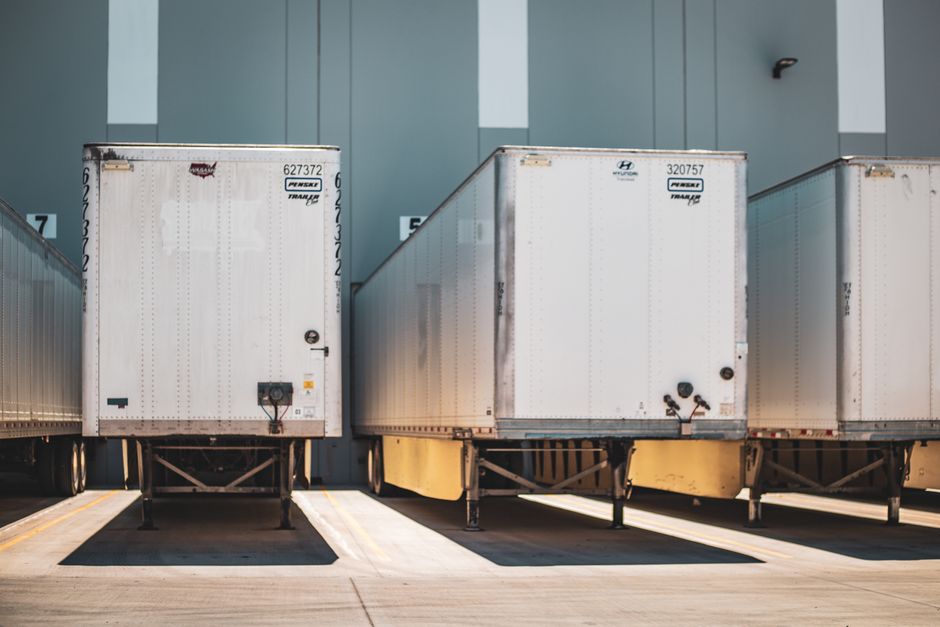
Choosing an enclosed trailer involves more than deciding how much cargo space is needed. The axle configuration affects carrying capacity, towing stability, maintenance requirements, and overall maneuverability. Single-axle and tandem-axle trailers each offer practical advantages, depending on the type of cargo and how frequently the trailer will be used. Even when exploring vehicle options at car dealerships Grandville MI, understanding trailer configurations can help buyers make better decisions about matching a tow vehicle to their hauling needs.
Understanding Single-Axle Enclosed Trailers
A single-axle enclosed trailer has one axle supporting two wheels. This simpler design generally makes the trailer lighter and easier to maneuver than a comparable tandem-axle model.
Single-axle trailers are often suitable for homeowners, hobbyists, and small businesses transporting relatively light cargo. Common uses include carrying motorcycles, lawn equipment, household belongings, and smaller collections of tools.
One major advantage is the lower overall weight. A lighter trailer may be easier for an appropriately rated SUV or pickup to tow, although the vehicle’s towing capacity and payload limits must always be checked.
Single-axle models also typically have fewer tires, wheel bearings, and other axle-related components to maintain. This can make routine upkeep less expensive.
However, their carrying capacity is generally more limited. Buyers must ensure that the trailer’s rated capacity comfortably accommodates the combined weight of its cargo and accessories.
Understanding Tandem-Axle Enclosed Trailers
A tandem-axle enclosed trailer uses two axles and typically four wheels. This arrangement distributes the trailer’s weight across more tires and can provide greater carrying capacity when the trailer is designed and rated accordingly.
Tandem-axle models are commonly used by contractors, equipment operators, and businesses that regularly transport heavier cargo. They can accommodate larger tool collections, machinery, multiple recreational vehicles, and other substantial loads.
Another advantage is highway stability. A properly loaded tandem-axle trailer generally tracks more steadily, particularly when carrying heavier cargo over longer distances. Many configurations also include braking systems on both axles, providing additional braking capability when properly equipped.
The additional axle does come with tradeoffs. Tandem trailers are usually heavier, more expensive, and require attention to more tires, bearings, brakes, and suspension components.
Comparing Maneuverability and Storage
Trailer maneuverability can make a significant difference when navigating residential driveways, storage facilities, or crowded work areas.
Single-axle trailers are generally easier to reposition by hand when unhitched and empty. Their simpler wheel arrangement also allows tighter turning without the tire scrubbing that can occur with tandem configurations.
Tandem-axle trailers may require more room during tight turns because the two axles follow slightly different paths. Their additional weight can also make manual repositioning more difficult.
Storage space is another consideration. Buyers should measure the available parking area and account for the trailer’s overall length, width, and turning clearance. A smaller single-axle model may be more convenient for someone with limited storage space, while a larger tandem model may be necessary for substantial equipment or commercial cargo.
Payload Capacity and Weight Distribution
Carrying capacity should be one of the most important factors when selecting an axle configuration. A trailer’s gross vehicle weight rating (GVWR) represents the maximum permitted combined weight of the trailer and its cargo.
To estimate available payload, subtract the empty trailer weight from its GVWR. For example, if an enclosed trailer weighs 2,000 pounds empty and has a 5,000-pound GVWR, its theoretical cargo capacity is 3,000 pounds.
Buyers should also consider the weight of installed shelving, cabinets, spare tires, tools, and other accessories. These items reduce the remaining capacity available for cargo.
Proper weight distribution matters with either axle setup. Cargo should be secured and positioned according to the trailer manufacturer’s recommendations, with appropriate tongue weight. Poor loading can contribute to sway and handling problems even when the trailer remains below its rated capacity.
Maintenance and Long-Term Ownership Costs
Single-axle trailers generally have fewer components requiring regular inspection. Owners still need to check tire pressure, tread condition, wheel bearings, brakes where equipped, lights, and suspension components.
Tandem-axle trailers require similar attention, but they have additional tires and mechanical components to inspect. Tire wear should be monitored across all wheels, and brake operation should be checked regularly.
Enclosed trailers also need attention beyond the running gear. Inspect door seals, roof seams, exterior panels, hinges, and flooring for damage or moisture intrusion. Keeping the enclosure in good condition helps protect cargo and supports long-term usefulness.
Although tandem-axle models may involve higher maintenance costs, their additional capacity can make them worthwhile for frequent heavy-duty use.
Matching the Trailer to Your Tow Vehicle
A trailer should never be selected without considering the vehicle that will pull it. Check the owner’s manual for the tow vehicle’s maximum towing capacity and review its payload, hitch, and tongue-weight limits.
Remember that passengers and cargo inside the tow vehicle also count toward its payload limit. A vehicle may have an adequate advertised towing capacity but still be unsuitable once passengers, equipment, and trailer tongue weight are included.
The trailer’s GVWR, tire ratings, axle ratings, and braking equipment should also be considered. A larger tandem-axle trailer does not automatically make a better choice if the tow vehicle cannot safely handle its loaded weight.
Which Setup Makes the Most Sense?
A single-axle enclosed trailer is often the practical option for lighter cargo, occasional trips, lower ownership costs, and easier storage. It can serve homeowners and hobbyists well when their loads remain comfortably within its ratings.
A tandem-axle trailer is generally more appropriate for heavier equipment, frequent commercial use, larger cargo requirements, and regular highway travel. Its additional capacity and stability can provide useful advantages for demanding hauling tasks.
The best choice comes from evaluating the heaviest expected load rather than the average one. Buyers should compare actual specifications instead of assuming that every trailer with the same axle count has identical capabilities.
Conclusion
Single-axle and tandem-axle enclosed trailers serve different hauling needs. Single-axle models offer lighter weight, simpler maintenance, and easier maneuverability, while tandem-axle designs generally provide greater capacity and improved stability for heavier loads. Before choosing, consider cargo weight, travel frequency, storage space, maintenance costs, and tow vehicle limitations. Matching these factors to the trailer’s actual ratings helps create a more practical and dependable hauling setup.

