


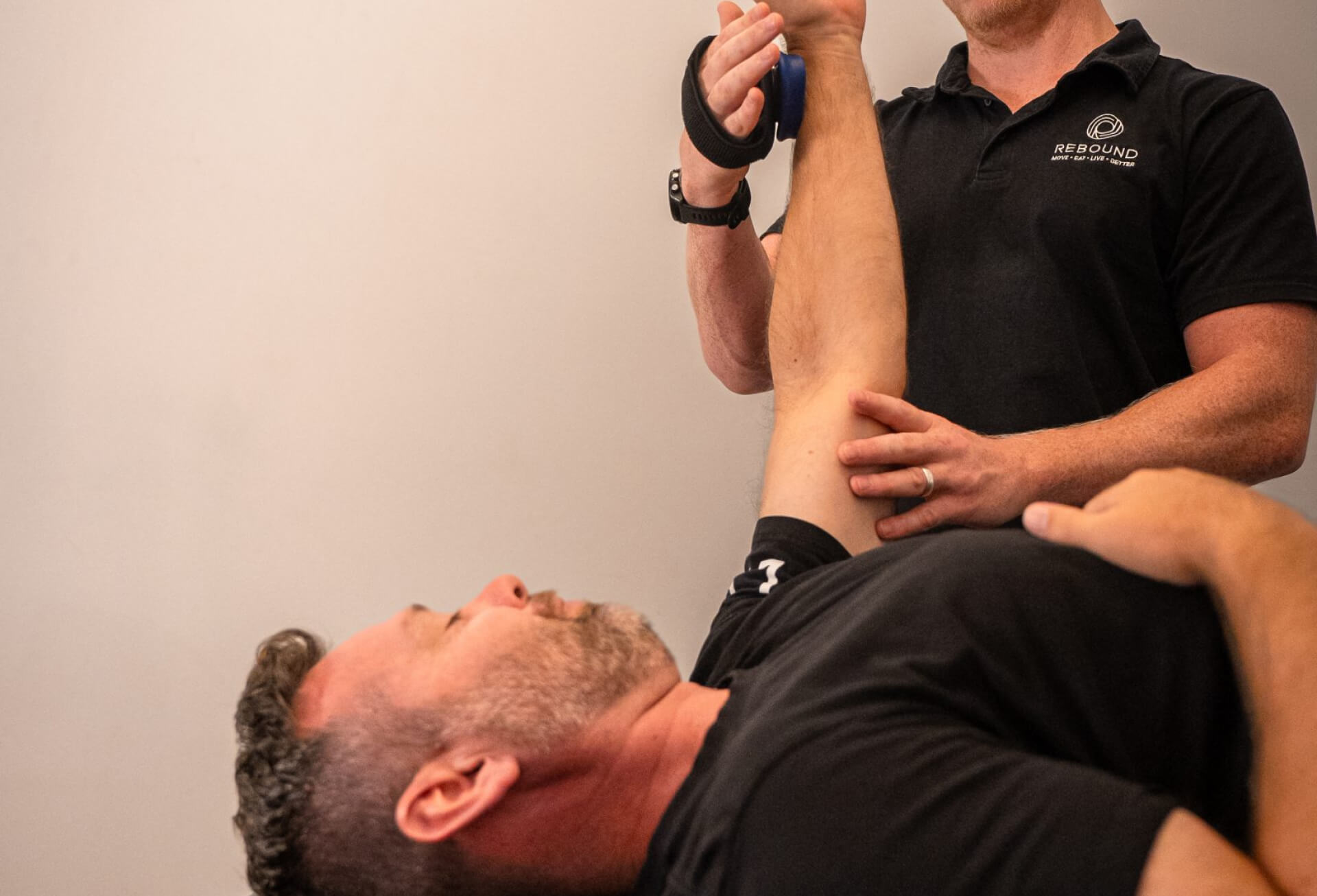
Moving well helps you stay independent, active, and confident in everyday life. Stiff joints, recurring aches, weakness, or reduced balance can gradually make walking, exercising, working, and recreational activities feel more difficult. Physiotherapy can help identify why certain movements have become uncomfortable or limited and provide a structured way to rebuild function. Treatment may address mobility, strength, coordination, posture, and physical capacity depending on the person’s needs. By combining practical movement strategies with progressive exercise, physiotherapy can help people reduce limitations, return to valued activities, and maintain an active lifestyle with greater confidence and safer movement over time.
-
Building Better Movement
Improving movement begins with understanding which activities feel restricted and what physical factors may be contributing. A physiotherapist may assess joint range, muscle strength, balance, control, and how a person walks, bends, lifts, or reaches.For people seeking physiotherapy in Dee Why, treatment may combine hands-on therapy, tailored exercise, and progressive strengthening to support a safe return to activity. This approach reflects goals, whether someone wants to walk comfortably, resume exercise, manage work demands, or regain confidence after reduced activity and stiffness. Clear guidance can make those goals feel achievable and manageable.
-
Rebuilding Confidence Through Gradual Movement
Many people become less active when movement feels uncomfortable, but avoiding activity for too long can reduce strength, endurance, and confidence. Physiotherapy can reverse that pattern by introducing movements that challenge you enough to improve without overwhelming your body. Early exercises may focus on comfortable range of motion, basic control, or simple strength work. As movement improves, you can gradually increase resistance, repetitions, speed, and task complexity. This progression is useful because everyday activities rarely require just one muscle or joint to work in isolation. Walking uphill, carrying shopping, climbing stairs, gardening, or returning to the gym all require several body areas to coordinate under load. A physiotherapist can shape exercise around those real demands so progress feels meaningful. Regular reassessment also helps determine whether a program is still appropriate or needs to change. Instead of staying with the same exercises indefinitely, the plan can evolve as capacity improves, helping the person become more capable, less hesitant, and better prepared for the activities they value. It can also help identify small movement compensations before they become established habits during daily activity.
-
Improving Mobility and Strength Together
Mobility and strength are closely connected, and improving one without considering the other can leave movement feeling incomplete. A stiff hip, ankle, shoulder, or upper back may change how the body performs a task, while weakness in nearby muscles can make available movement harder to control. Physiotherapy can address both concerns by using mobility work where restriction matters and strengthening where greater support is needed. For example, someone who struggles with stairs may need better ankle movement as well as stronger calves, hips, and thighs. Someone who feels restricted reaching overhead may benefit from improved shoulder and upper-back mobility, along with better control around the shoulder blade. Treatment can also assess whether certain daily positions contribute to stiffness. Long periods of sitting, repetitive reaching, or standing in one position can limit movement even without a new injury. Practical changes such as varying positions, taking movement breaks, or adjusting how tasks are performed can support the exercise program. Over time, this combination can make normal movement feel smoother and more efficient. This can improve control across a wider range of everyday tasks.
-
Building Capacity for an Active Lifestyle
Staying active also depends on building enough physical tolerance for the amount of activity a person wants to do. Someone may have reasonable strength during a short assessment but still fatigue quickly during a long walk, repeated lifting, or a full exercise session. Physiotherapy can help build this endurance by gradually increasing the duration, frequency, or intensity of movement. The process can be adjusted based on age, work demands, previous activity levels, and personal goals, rather than following a single routine for everyone. This is especially helpful after illness, inactivity, recurring discomfort, or time away from exercise, when the body may need a measured return to regular loading. Progress can be tracked through practical changes such as walking farther, completing more repetitions, climbing stairs with less effort, or returning to recreational activities. Confidence often improves alongside physical capacity because the person can see what their body can handle. A gradual approach makes activity more sustainable and reduces the pressure to make sudden jumps in training or daily workload. It also creates a path for increasing activity without unnecessary setbacks.
Supporting Long-Term Movement and Activity
Physiotherapy can help people move more comfortably and stay active by addressing mobility, strength, balance, endurance, and movement habits that affect daily function. Rather than focusing only on temporary symptom relief, treatment can build the physical capacity needed for work, exercise, recreation, and ordinary routines. A personalised plan lets exercises and activity levels progress as ability improves, while reviews keep the program aligned with changing goals. Whether the aim is walking farther, returning to the gym, moving with less stiffness, or maintaining independence, consistent rehabilitation can support stronger, more confident movement over the long term.

