


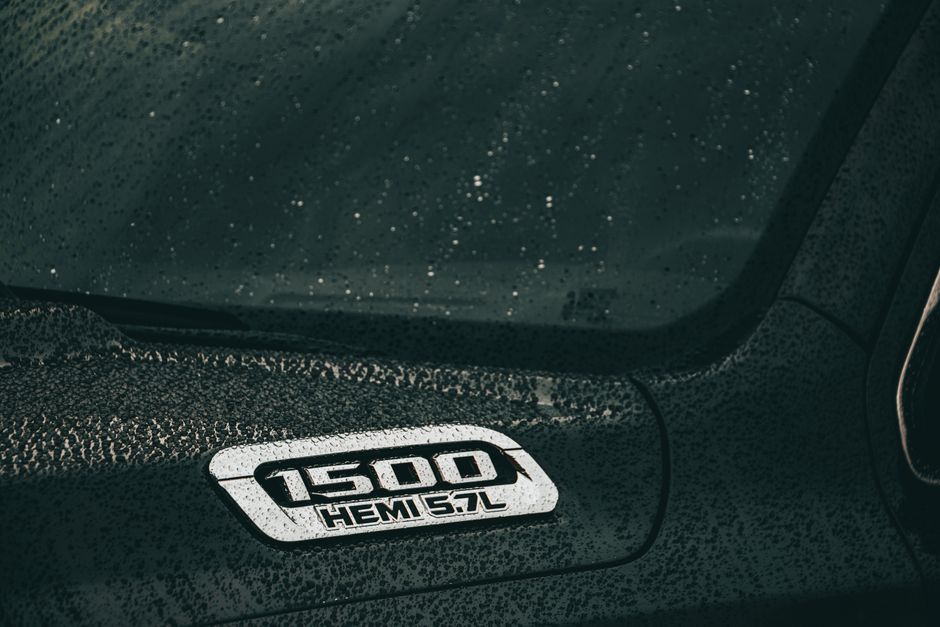
Edmonton’s changing seasons can put significant demands on a heavy-duty truck’s cooling system. Freezing winter temperatures, spring thaws, warm summer days, and fluctuating fall conditions all affect how a vehicle manages engine heat. For Ram 3500 owners, maintaining the cooling system is particularly important when hauling heavy loads, towing trailers, or driving long distances. Whether using the truck for work or everyday transportation, proper seasonal maintenance helps support dependable performance. Drivers considering a Ram 3500 for sale Edmonton should also understand how routine cooling system care can help protect their investment throughout Alberta’s changing weather.
Understanding the Ram 3500 Cooling System
The cooling system regulates engine temperature by circulating coolant through the engine and radiator. It helps prevent overheating during demanding driving conditions while also protecting engine components from freezing during cold weather.
Major components include the radiator, coolant reservoir, thermostat, water pump, hoses, cooling fan, and pressure cap. Each part plays an important role in maintaining proper operating temperatures.
For diesel Ram 3500 models, the cooling system works alongside other components, including the charge air cooler, to support engine performance. Keeping these systems clean and properly maintained is especially important when the truck regularly handles towing or heavy workloads.
Check Coolant Condition Before Winter
Preparing for Edmonton’s winter temperatures should begin before freezing weather arrives. Coolant must provide adequate freeze protection while maintaining its ability to transfer heat and protect internal components against corrosion.
Check the coolant level when the engine is completely cold and make sure it falls within the manufacturer’s recommended range. Also have the coolant’s freeze protection tested to confirm that it is suitable for the temperatures expected during winter.
Use only the coolant specification approved for the truck’s particular model year and engine. Mixing incompatible coolant types can reduce corrosion protection and potentially damage the cooling system. Follow the owner’s manual for the correct coolant concentration and replacement requirements.
Inspect Radiator Hoses and Connections
Cold weather can make aging rubber hoses more vulnerable to cracking and leaks. Before winter begins, inspect the radiator hoses, reservoir connections, clamps, and other accessible cooling system lines.
Look for swelling, brittleness, visible cracks, damp areas, or dried coolant residue around connections. Even a small leak can become a larger problem when temperatures fluctuate or the engine experiences additional stress.
Pay attention to hoses connected to the coolant reservoir and overflow system. Damaged or obstructed hoses can interfere with proper coolant circulation and expansion.
If a hose feels unusually soft, appears swollen, or shows signs of deterioration, have it inspected by a qualified technician.
Keep the Radiator and Cooling Components Clean
Road debris, dirt, leaves, and insects can accumulate around the radiator and air conditioning condenser. This buildup restricts airflow and can make it harder for the cooling system to release engine heat.
Edmonton drivers should inspect the front of the radiator regularly, especially after driving on gravel roads or through areas with heavy debris. Clean the surface carefully using an appropriate, gentle water spray. Avoid excessive pressure that could damage delicate cooling fins.
On equipped diesel models, the charge air cooler should also be kept clean. Inspect its surrounding surfaces and connecting hoses for dirt, damage, loose clamps, or signs of air leaks.
Prepare for Summer Heat and Heavy Towing
Warm summer temperatures create different cooling demands. Long highway drives, stop-and-go traffic, steep roads, and trailer towing can all increase engine workload.
Before summer travel, verify that coolant levels are correct and inspect the radiator, cooling fan, hoses, and pressure cap. Make sure airflow through the radiator is not restricted by dirt or debris.
Towing adds another reason to maintain the cooling system carefully. A properly maintained system helps manage engine temperatures when the truck is carrying substantial loads. Drivers should also follow the manufacturer’s towing guidelines and monitor temperature warnings during demanding trips.
If the temperature gauge rises unusually or an overheating warning appears, reduce the engine load and stop somewhere safe when necessary. Continuing to drive an overheating truck can cause serious engine damage.
Monitor the Thermostat and Water Pump
The thermostat regulates coolant flow according to engine temperature, helping the engine reach and maintain its intended operating range. A malfunctioning thermostat may contribute to overheating or unusually slow warm-up.
The water pump circulates coolant throughout the system. Signs of potential trouble include coolant leaks, unusual noises, or unexplained temperature changes.
Do not install a different thermostat simply to prepare for summer or winter. Ram recommends using the correct specified thermostat because an unsuitable design can affect cooling performance and other engine operating characteristics.
If the engine takes unusually long to warm up or frequently runs hotter than normal, arrange a professional inspection.
Watch for Cooling System Warning Signs
Recognizing early symptoms can help prevent more expensive repairs. Drivers should pay attention to:
- Coolant levels that repeatedly drop between inspections.
- Sweet coolant odors or visible leaks beneath the truck.
- Unusual temperature gauge readings or overheating warnings.
- Rust-colored coolant, visible sediment, or contaminated fluid.
- Steam coming from the engine compartment.
Never remove the radiator or coolant pressure cap while the system is hot. Hot coolant and steam can cause severe burns. Allow the engine to cool completely before any inspection involving the cooling system.
If coolant requires frequent replacement or topping up, have the system pressure-tested to identify possible leaks.
Schedule Seasonal Professional Inspections
A professional inspection before winter and summer can help identify problems that may not be obvious during a basic visual check. A technician can examine coolant condition, pressure integrity, thermostat operation, water pump performance, radiator condition, and related components.
Keeping service records also makes it easier to track coolant replacement, repairs, and recurring concerns. Following the maintenance schedule in the owner’s manual helps ensure that servicing matches the truck’s specific engine and model year.
Conclusion
Preparing a Ram 3500’s cooling system for Edmonton’s seasonal temperature changes requires consistent attention throughout the year. Checking coolant protection, inspecting hoses, cleaning the radiator, and monitoring important components can help reduce the risk of overheating or cold-weather cooling problems. Heavy towing and demanding work make these precautions even more important. With regular inspections and manufacturer-recommended maintenance, Ram 3500 owners can support dependable operation through Alberta’s freezing winters and warmer summer months.

