


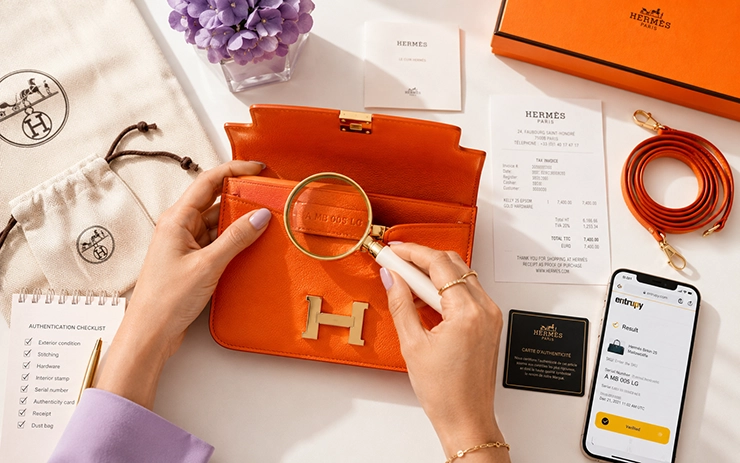
Bags are used across many parts of everyday life, from shopping and commuting to travel, work, and leisure. For retailers and emerging brands, this creates opportunities to offer products that combine practical features with a recognizable design. However, turning a bag concept into a consistent retail product requires careful planning. Materials, dimensions, construction, branding, and production costs all influence the result. Businesses exploring a new collection can visit Yeenkran to learn more and discuss their product requirements.
Working with a capable custom bag manufacturer can help a business coordinate product development and production around its target market. A clear brief and a well-managed sample process make it easier to assess whether a design is suitable before placing a larger order. The following considerations can help retailers and brands plan a bag project more effectively.
Identify the Market and Intended Customer
A product should be designed for the people who will use it. A retailer serving commuters may need laptop bags, backpacks, or organizers with practical compartments. A lifestyle brand may focus on totes, crossbody bags, or accessories that complement its clothing range. Businesses supplying promotional products may prioritize useful designs that provide enough space for a company logo.
Researching the target customer helps determine the right balance between style, functionality, and price. Consider typical usage, preferred colors, carrying habits, and the items customers need to store. Reviewing competitor products and customer feedback can also reveal gaps in the market, such as a need for better organization, lighter materials, or more durable handles.
Choose a Product Category and Design Direction
The bag category influences nearly every production decision. Tote bags often have a relatively simple structure, while backpacks may require several panels, adjustable straps, padding, and multiple compartments. Handbags can involve more detailed shaping, lining, closures, and hardware. Travel bags may need reinforced bases and construction suited to heavier contents.
A focused initial range can help businesses control development costs and inventory. Rather than introducing many unrelated styles, consider starting with a small collection that shares materials, colors, or design details. This can create a consistent look and make product photography, merchandising, and marketing easier to organize.
Select Materials Based on Function
Material choice should reflect how the bag will be used and the price point the business wants to achieve. Canvas is popular for casual totes and everyday carry products. Polyester and nylon are frequently used in backpacks and travel accessories because they can be lightweight and practical to maintain. Other woven fabrics, coated materials, and synthetic leather may suit different styles and finishes.
Do not choose a material based on appearance alone. Consider thickness, flexibility, texture, color consistency, cleaning requirements, and expected wear. A bag intended to carry heavier items may need a stronger fabric, reinforced seams, and durable strap attachments. Request swatches and compare them in person whenever possible before approving the final selection.
Pay Attention to Construction and Everyday Usability
A well-designed bag should be comfortable and straightforward to use. Strap length, handle width, opening size, pocket placement, and closure type all affect the user experience. The interior should provide enough space for the intended contents without making items difficult to find or remove.
Construction details also influence durability. Stress points around handles and straps may need reinforcement, while zippers and buckles should be appropriate for the bag’s intended use. Stitching should be consistent, edges should be finished neatly, and lining should fit properly. Reviewing these details during sampling can help identify weaknesses before production.
Develop Branding That Fits the Product
Custom bags can serve as useful brand assets when their design and identity work together. Branding methods may include screen printing, embroidery, woven labels, heat transfers, embossed details, or customized hardware. The suitable method depends on the material, logo artwork, desired appearance, and budget.
Think about how the branding will look at the actual product size. A logo that is too large can dominate a simple design, while a very small mark may be difficult to notice. Confirm placement, colors, dimensions, and artwork files before production. A sample or clear mock-up can help ensure that the final result matches the brand’s expectations.
Use Sampling to Check the Complete Product
A sample is an important checkpoint between design development and bulk manufacturing. It allows a business to inspect the bag’s dimensions, shape, material, stitching, hardware, lining, pockets, and branding. It also provides an opportunity to test practical features, such as opening and closing the bag and carrying it with typical contents.
Feedback should be clear and specific. If a pocket is too small, provide the required dimensions. If a strap needs adjustment, explain the preferred length and how it should sit when worn. Record approved changes so that the production team has an accurate final specification. Keep the approved sample as a reference for quality checks.
Plan Costs and Order Quantities
The cost of a bag depends on its materials, dimensions, construction, hardware, decoration, packaging, and order quantity. Ask for a quotation that clearly identifies what is included. Sampling, custom molds or accessories, labels, packaging, shipping, duties, and taxes may create additional expenses.
Minimum order quantities can differ by style, color, fabric, and customization method. A smaller order may be useful for testing demand, while a larger order can affect the unit price. The right quantity depends on the business’s budget, sales forecasts, storage capacity, and ability to manage inventory.
Compare supplier quotations using the same design and material specifications. A lower price may reflect differences in fabric quality, construction, included services, or packaging. Looking at the full cost and expected product quality gives a more useful basis for making a decision.
Establish Quality Checks and Delivery Expectations
Quality requirements should be agreed before production begins. Businesses can define acceptable dimensions, material standards, stitching, hardware, logo placement, and packaging. Materials should be checked before use, and finished products should be inspected for defects and consistency.
Discuss the production timeline in stages, including material sourcing, sample approval, manufacturing, inspection, and dispatch. If the bags are needed for a seasonal launch, trade event, or promotional campaign, allow enough time for revisions and shipping. Confirm delivery arrangements and responsibilities in writing to reduce uncertainty.
Build a Supplier Relationship for Long-Term Growth
A reliable manufacturing relationship can support a business beyond its first order. As the supplier becomes familiar with the brand’s preferred materials, specifications, and quality expectations, future product development may become more organized. Keeping accurate records of approved samples and production details helps maintain consistency when repeating or expanding a collection.
Yeenkran is an option for businesses researching custom bag production. Before committing to a project, share the intended bag type, design references, material preferences, target quantity, branding requirements, and expected timeline. Review samples and confirm the final quotation and terms directly with the supplier so that the arrangement is clear.
Conclusion
Developing bags for retail or a growing brand involves more than choosing a shape and adding a logo. Market research, practical design, material selection, construction, sampling, cost planning, and quality control all contribute to a product that customers can use with confidence.
A structured approach helps businesses compare manufacturing options and make decisions based on their actual requirements. By defining expectations early and reviewing each stage carefully, retailers and brands can build bag collections that support their identity, serve their customers, and provide a foundation for future growth.

