


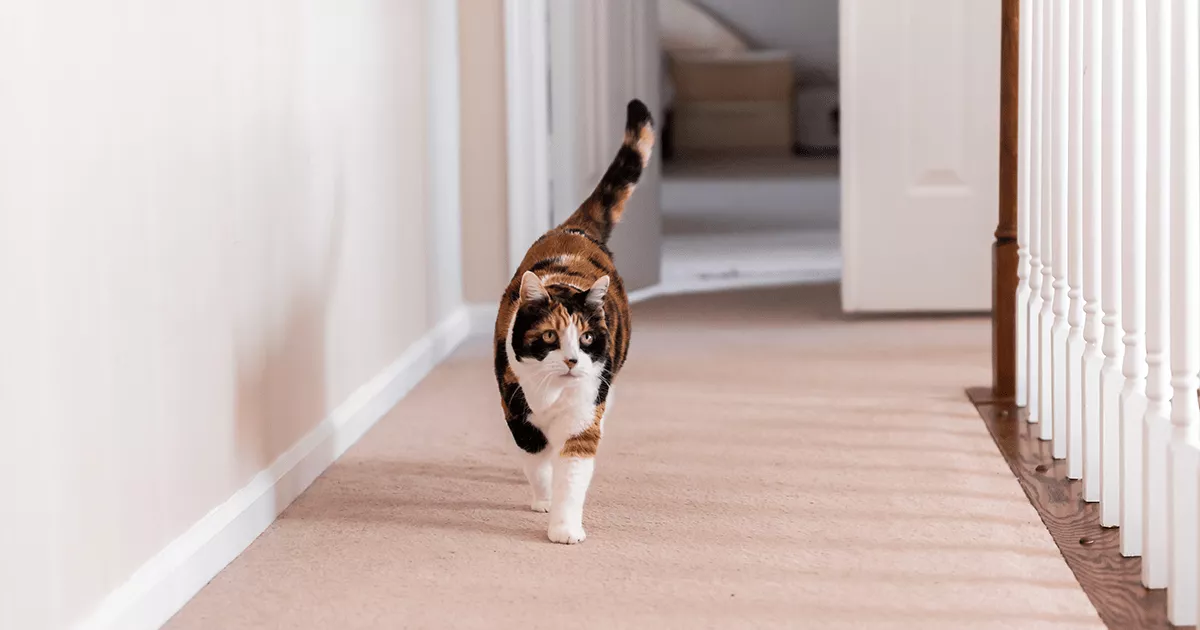
Cats seem to keep a clock of their own. Breakfast is requested at the same minute every morning, the evening zoomies start right on cue, and the sunny spot by the window is claimed at the hour the light reaches it.
That predictability goes deeper than habit. In a 2011 Ohio State University study published in the Journal of the American Veterinary Medical Association, healthy cats faced with changes such as a new caretaker or a shifted feeding schedule were just as likely as chronically ill cats to vomit, skip meals, or eliminate outside the litter box. Overall, disrupted routines brought a 3.2-fold increase in the risk of these sickness behaviors.
So, do cats like routine? The evidence says yes, and future owners who plan a steady daily rhythm before the cat arrives give it a calmer, healthier start.
Why Cats Are Creatures of Habit
Are cats routine oriented by nature?
Yes. Cats are small predators that are also prey for larger animals, so knowing what comes next helps them feel safe. Predictable meals, quiet times, and familiar faces signal that the home is under control.
Do some cats need routine more than others?
Sensitive, reserved cats tend to rely on it most. A Russian Blue cat is a classic example: gentle and loyal with its family, often shy with strangers, and noticeably happier when meals, play, and bedtime follow the same pattern each day. Calm breeds such as the British Shorthair and Exotic Shorthair also settle best into steady households.
Is routine about food alone?
No. Cats also notice when people leave and come home, where furniture sits, and how loud the house is at different hours. A change in any of these can unsettle them.
What a Healthy Cat Daily Routine Looks Like
When are cats naturally most active?
Around dawn and dusk. A 2019 tracking study in Animal Biotelemetry found that indoor cats showed two daily peaks of activity and feeding, one in the morning and one in the evening, with quieter troughs in the middle of the day and night.
Building a cat daily routine around those natural peaks makes it easier for everyone, including owners who would like to sleep past 5 a.m.
What does a balanced day include?
| Time of day | What the cat needs | Simple way to provide it |
| Early morning | Activity and a meal | Short play session, then breakfast |
| Midday | Rest | Quiet, warm sleeping spots |
| Late afternoon | Exploration | Window perch, puzzle feeder |
| Evening | Hunting-style play | Wand toy chase, then dinner |
| Night | Sleep | Dim lights, a calm house |
Why play before meals?
It mirrors the natural sequence of hunt, catch, and eat. A play session followed by food leaves most cats relaxed and ready to rest.
When the Rhythm Breaks
How do cats react when their routine changes?
Often with quiet stress signals that are easy to miss. Watch for:
- Eating less, or begging more insistently
- Hiding more than usual
- Urinating or defecating outside the litter box
- Overgrooming or vomiting
- Waking the household earlier or yowling at night
Why do experts stress predictable human contact?
Because people are part of the cat’s routine. The AAFP and ISFM Feline Environmental Needs Guidelines list positive, consistent, and predictable human-cat interaction as one of five pillars of a healthy feline home.
People-focused breeds feel this most. The Siamese and Burmese often expect company at set times, while busy breeds such as the Abyssinian and Devon Rex count on regular play to burn energy.
Can a cat adapt to a new schedule?
Yes, gradually. Shift meal and play times by 15 to 30 minutes every few days instead of all at once.
Planning a Routine Before Your Cat Comes Home
How can future owners set up a routine in advance?
Design it around your real schedule, then keep it from the first day. A practical plan:
- Ask the breeder about the kitten’s current feeding times and food, and keep both the same at first.
- Pick fixed meal times that work on weekdays and weekends alike.
- Schedule two play sessions a day, ideally morning and evening.
- Set feeding, litter, and sleeping spots before arrival, and leave them in place.
- Agree on household rules so every family member follows the same pattern.
- Plan for absences by choosing a pet sitter who can keep the routine going.
What if your work hours vary?
Anchor the day with a few fixed points. Even if your schedule shifts, an automatic feeder, a consistent bedtime ritual, and a short evening play session give the cat a dependable frame.
Does a routine make a cat boring?
Not at all. Predictable structure leaves room for new toys, puzzle feeders, and window views, and a secure cat usually explores more confidently.
Same Time Tomorrow
Do cats like routine? Research and everyday experience both say yes. A predictable day lowers stress, supports good health, and helps a new cat trust its people faster.
Plan a cat daily routine that fits your real life, keep it steady from the first day, and make changes slowly. Your cat will reward that consistency with a calmer, more confident presence at home.
Frequently Asked Questions
Are cats routine oriented even as kittens?
Yes, though kittens are more flexible. Starting a routine early helps them grow into confident adults.
How many meals a day should a cat get?
Many vets suggest two or more smaller meals for adult cats and more frequent meals for kittens. Ask your vet for a plan that fits your cat’s age and health.
Can moving house upset a cat’s routine?
Yes. Keep meal times, bedding, and toys the same, and start the cat in one quiet room in the new home.
Do indoor cats need a stricter routine than outdoor cats?
Indoor cats rely more on their people for activity and stimulation, so regular play times help them most.
How should holidays and visitors be handled?
Keep feeding and play times as normal and give the cat a quiet retreat away from guests.
Is it okay to change the cat’s food brand?
Yes, gradually. Mix the new food with the old over a week or more.
Do senior cats need a different routine?
Often a gentler one, with easy access to food, water, and litter, and shorter, more frequent play sessions.

