


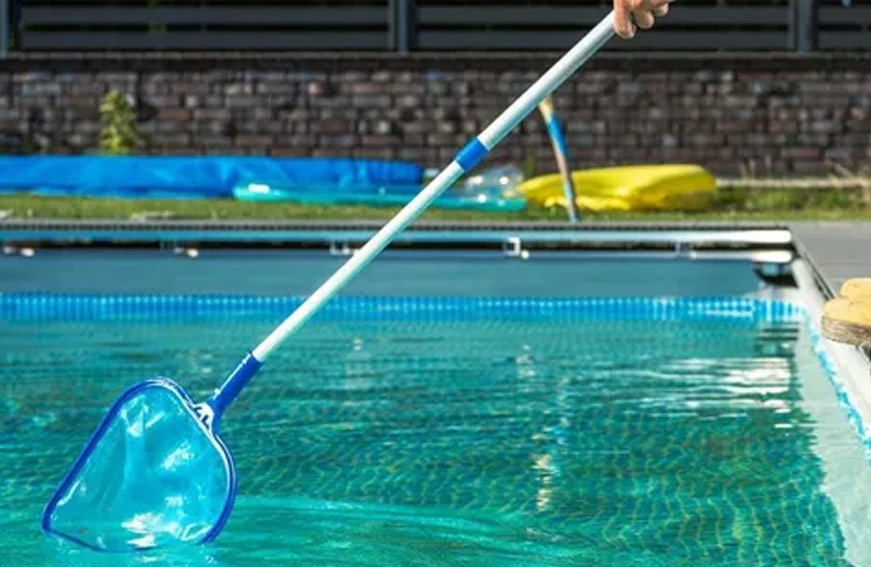
A swimming pool is a valuable feature that can provide relaxation, exercise, entertainment, and an enjoyable outdoor environment, but keeping it in excellent condition requires much more than occasional cleaning. Every pool depends on several interconnected systems that must work properly, including circulation equipment, pumps, filters, plumbing, drains, surfaces, chemical systems, and safety components. Regular use, environmental exposure, changing weather conditions, and normal equipment wear can gradually affect these areas, making consistent maintenance an important part of responsible pool ownership. A professional maintenance program can help property owners keep water clean, equipment functioning properly, surfaces in good condition, and potential problems under control. Instead of waiting until a major problem develops, routine professional care provides opportunities to inspect the pool, identify developing concerns, and address them before they interfere with normal use. A comprehensive approach also makes it easier to manage seasonal opening and closing, water chemistry, equipment maintenance, cleaning, repairs, and renovations as part of one organized maintenance strategy.
Understanding the Importance of Professional Pool Care
Professional pool care involves much more than removing leaves or checking the appearance of the water. A swimming pool operates as a complete system, and every component contributes to its overall performance. The circulation system needs to move water effectively, the filtration equipment needs to remove unwanted particles, and chemical levels need to remain within appropriate ranges to support a clean and comfortable swimming environment. At the same time, pool surfaces, drains, skimmers, lighting, covers, and other features need to be monitored for signs of deterioration. When these responsibilities are handled inconsistently, small issues can gradually become more complicated. For example, inadequate circulation may affect filtration and water quality, while neglected equipment may experience additional wear because it is operating under less-than-ideal conditions. Professional maintenance provides a structured way to monitor these areas and maintain the pool according to its specific requirements. This approach can be especially valuable for owners who do not have the time or technical knowledge to inspect every part of the system themselves.
Maintaining Clean and Balanced Pool Water
Water quality is one of the most visible indicators of pool maintenance, but maintaining clear water requires consistent attention to several factors. Debris, organic material, weather conditions, swimmer activity, and chemical changes can all affect the condition of the water. Regular testing helps identify changes in chemical balance so that appropriate adjustments can be made before water quality becomes a larger concern. Cleaning also plays an important role by removing debris from the pool, skimming the water, brushing surfaces, and keeping areas around the pool maintained. However, chemical treatment and cleaning work most effectively when the circulation and filtration systems are operating correctly. If water is not circulating properly, chemicals may not distribute evenly and filtration may become less effective. This is why professional pool maintenance should consider cleaning, water chemistry, and equipment performance together rather than treating them as completely separate tasks. Consistent attention to these areas can help maintain a more comfortable swimming environment and reduce the likelihood of recurring water-quality problems.
Caring for Pumps and Circulation Equipment
The circulation system is one of the most important parts of a swimming pool because it moves water through filtration and treatment equipment. Pumps need to operate consistently to maintain appropriate water movement, while filters help remove particles and impurities from the circulating water. When a pump begins making unusual sounds, losing pressure, running inconsistently, or failing to move water effectively, the problem should be investigated rather than ignored. Similar attention should be given to filters that become difficult to maintain or appear unable to perform normally. Equipment issues can affect more than the mechanical component itself because poor circulation may eventually contribute to cloudy water, uneven chemical distribution, and additional maintenance concerns. Regular inspection can help identify worn parts, blockages, leaks, or other issues before they lead to complete equipment failure. Professional technicians can also determine whether a component requires maintenance, adjustment, repair, or replacement based on its actual condition. Maintaining the circulation system properly is therefore an important part of keeping the entire pool operating efficiently and consistently.
Preventing Small Problems From Becoming Major Repairs
One of the main benefits of consistent maintenance is the opportunity to identify small concerns before they develop into larger problems. A minor leak, unusual equipment noise, damaged fitting, worn seal, or change in water pressure may appear insignificant at first, but these symptoms can sometimes indicate that a component is beginning to fail. When such issues are ignored, the affected equipment may continue operating under abnormal conditions, potentially increasing wear or affecting connected components. Routine professional inspections provide an opportunity to observe these changes and determine whether corrective action is necessary. This does not mean that every unusual symptom will require an immediate major repair, but it does allow property owners to make decisions based on the actual condition of their pool rather than waiting until a failure becomes unavoidable. Preventive maintenance can also make expenses easier to plan because necessary work may be scheduled before an emergency occurs. A proactive approach supports long-term reliability while helping owners maintain better control over the condition of their pool and related equipment.
Managing Pool Surfaces and Interior Features
The condition of the pool surface is another important consideration for long-term maintenance. Pool finishes, plaster, tile, coping, steps, and other interior components are exposed to water, chemicals, temperature changes, and regular activity. Over time, these conditions can contribute to discoloration, cracking, loose tiles, rough surfaces, or other visible signs of deterioration. Some surface issues may initially appear to be cosmetic, but damaged or deteriorated areas can become more difficult to clean and maintain. In certain situations, rough or damaged surfaces may also affect swimmer comfort. Regular inspections can help identify areas that need attention and determine whether a localized repair or more extensive renovation would be appropriate. Professional pool management companies can evaluate the condition of these features and recommend solutions based on the age and condition of the pool. Addressing surface concerns as part of ongoing maintenance can help preserve the appearance of the pool while supporting its functionality and making future maintenance easier.
Addressing Leaks and Unexpected Water Loss
Unexpected water loss should always be monitored because it can sometimes indicate a leak. Although evaporation and normal swimming activity naturally reduce water levels, persistent or unusual water loss may require further investigation. Leaks can occur in plumbing connections, equipment, fittings, structural areas, or other parts of the pool system, and locating the source is essential before an effective solution can be determined. Simply adding more water may temporarily restore the pool to its desired level, but it does not correct the underlying problem. A professional inspection can help determine whether the water loss is within normal expectations or whether a leak may be present. If a leak is identified, the appropriate solution will depend on its location and severity. Addressing leaks promptly can reduce unnecessary water consumption and may also help prevent surrounding areas or connected equipment from being affected by prolonged moisture exposure. Regular monitoring makes unusual changes easier to identify and provides an opportunity to address concerns before they become more complicated.
Seasonal Opening and Preparation
Preparing a pool for the swimming season requires more than removing the cover and filling the water. Equipment should be inspected, circulation systems should be checked, water chemistry should be evaluated, and the pool should be thoroughly cleaned before regular use begins. Seasonal opening provides a valuable opportunity to identify problems that may have developed while the pool was inactive. Pumps, filters, plumbing, covers, drains, surfaces, and other components can all be inspected as part of the preparation process. Professional seasonal service can make this transition more organized and can help property owners identify repairs or maintenance tasks before the pool begins receiving frequent use. A properly prepared pool is also easier to manage during the active season because equipment and water conditions have already been evaluated. Triad Pool Management provides pool opening services as part of its broader residential and commercial pool management offerings, supporting property owners who want professional assistance with seasonal preparation.
Properly Closing a Pool for the Off-Season
Pool closing is equally important because proper off-season preparation can help protect equipment and other components while the pool is not being used. Depending on the pool and environmental conditions, closing procedures may involve cleaning, water balancing, equipment preparation, winterization, and securing the pool with an appropriate cover. Each step should be completed carefully because mistakes during the closing process can create additional maintenance challenges when the pool is reopened. Professional closing services can help ensure that important areas are addressed systematically rather than relying on an incomplete checklist. Closing also provides an opportunity to document equipment concerns or maintenance needs that should be addressed before the next season. When the pool is properly prepared for its inactive period, the opening process may be more manageable, and property owners can begin the next season with a better understanding of the condition of the system.
Residential Pool Maintenance Requirements
Residential pools can become an important part of everyday life, especially during periods of warm weather when families and guests use them frequently. However, regular use also means that cleaning, chemical management, equipment inspection, and general maintenance must be performed consistently. Homeowners may notice problems such as reduced water flow, pump noise, cloudy water, damaged surfaces, leaks, or worn equipment, but it is not always easy to determine the cause. Professional maintenance can provide a more reliable way to monitor these concerns while keeping routine responsibilities organized. A comprehensive residential maintenance program can include cleaning, water chemistry, equipment care, seasonal opening and closing, inspections, and repairs when necessary. Instead of responding to each issue separately, homeowners can establish a regular service schedule that addresses the pool as a complete system. This can help maintain a cleaner swimming environment while reducing the likelihood that developing equipment or surface problems will remain unnoticed for long periods.
Commercial Pool Management and Maintenance
Commercial pools often require a higher level of organization because they may experience frequent use and serve many swimmers throughout the season. Hotels, recreational facilities, fitness centers, community properties, and other commercial locations need consistent maintenance to keep their pools clean, functional, and ready for use. Equipment failures, water-quality issues, or neglected surfaces can create operational challenges, making preventive maintenance particularly valuable. Commercial pool management may include routine cleaning, chemical maintenance, equipment inspections, pump care, seasonal services, repairs, renovations, and safety-related responsibilities. A professional provider can help facility managers establish a schedule that addresses these areas consistently rather than relying on occasional maintenance. This organized approach can also help identify aging equipment and other concerns before they interfere with regular pool operations. Triad Pool Management offers commercial services that include maintenance, cleaning, repairs, renovations, chemical care, opening and closing, and other pool-related services designed to support the ongoing operation of commercial swimming facilities.
Choosing a Reliable Pool Maintenance Provider
Choosing a professional provider is an important part of maintaining a pool over the long term. Property owners should consider whether the company has experience with the different systems and services their pool requires. Cleaning alone may not be enough if the property also needs equipment maintenance, pump care, water chemistry management, repairs, renovations, or seasonal services. A provider capable of handling multiple aspects of pool care can offer a more coordinated approach and make it easier to maintain a consistent service schedule. Communication is also important because property owners should receive clear information about the condition of their pool and any recommended work. When technicians understand the history of a pool, its equipment, and its maintenance requirements, they can often provide more informed recommendations. A dependable pool service provider can therefore become an important part of a long-term maintenance strategy by helping property owners manage routine care while responding to equipment or structural concerns when they arise.
The Value of Preventive Maintenance
Preventive maintenance is one of the most effective ways to support consistent pool performance because it focuses on identifying potential concerns before they become serious. Regular inspections can reveal changes in pump operation, filtration performance, water levels, surface condition, and other important areas. Addressing a worn component early may prevent a larger equipment failure, while identifying a small leak quickly can reduce unnecessary water loss. Preventive care can also make it easier to plan future improvements because property owners can understand which systems are aging and may eventually need replacement. While maintenance cannot eliminate every possible problem, it provides greater visibility into the condition of the pool and allows decisions to be made proactively. This is particularly useful for commercial facilities where unexpected equipment failures can disrupt normal operations. Consistent professional maintenance provides a structured way to protect the pool while helping owners plan repairs, replacements, and renovations according to actual needs.
Combining Maintenance With Professional Repairs
Maintenance and repairs should work together as part of a complete pool management strategy. Routine cleaning can reveal surface problems, water testing can reveal changes that may be connected to equipment performance, and equipment inspections can identify components that require attention before they fail. When a problem is discovered, professional repair can address the underlying cause instead of simply treating the visible symptom. This integrated approach is valuable because different parts of a pool system are interconnected. A circulation problem may affect water quality, while poor water chemistry can contribute to deterioration of surfaces and equipment. Coordinating maintenance and repairs allows property owners to address these relationships more effectively. Triad Pool Management provides repair and renovation services alongside routine maintenance, equipment care, cleaning, seasonal services, and commercial pool management, allowing different aspects of pool care to be handled through a broader service approach.
Supporting Long-Term Pool Performance
A pool should be viewed as a long-term investment that requires continued care throughout its useful life. Even high-quality equipment and durable pool surfaces will eventually require maintenance because of regular use and environmental exposure. Keeping detailed records of cleaning, chemical treatment, equipment maintenance, repairs, and seasonal services can help property owners understand the history of their pool and make better decisions about future work. These records can also help professionals identify recurring concerns and determine whether a repair is likely to provide a lasting solution or whether replacement may eventually be more practical. Long-term planning is especially important when several components are aging at the same time. Rather than waiting for multiple failures to occur, owners can work with a professional provider to prioritize maintenance and improvements based on condition and operational needs. A reliable pool service provider can also help organize ongoing maintenance and identify areas that may require attention before they become more serious. This approach can help extend the life of the pool system while maintaining a more predictable maintenance routine.
.Conclusion
A swimming pool requires consistent care to remain clean, functional, comfortable, and dependable. Routine cleaning and water chemistry are essential, but effective maintenance also includes equipment inspections, pump and filtration care, surface monitoring, leak detection, seasonal opening and closing, and timely attention to developing problems. By maintaining these areas together, property owners can create a more reliable swimming environment while reducing the risk of unexpected issues that may interfere with regular use.Professional maintenance is especially valuable because a swimming pool is made up of several interconnected systems that require different types of attention. Residential homeowners can benefit from a structured maintenance routine that reduces the burden of managing every task themselves, while commercial facilities can use professional management to maintain consistent operation despite heavier usage. Regular inspections and preventive care can also help identify equipment wear, surface deterioration, water-quality concerns, and other issues before they become more difficult to manage. A dependable pool service strategy combines routine maintenance with professional inspections, repairs, seasonal preparation, and long-term planning, helping property owners protect their investment and maintain a swimming pool that remains ready for enjoyment throughout the season.

