


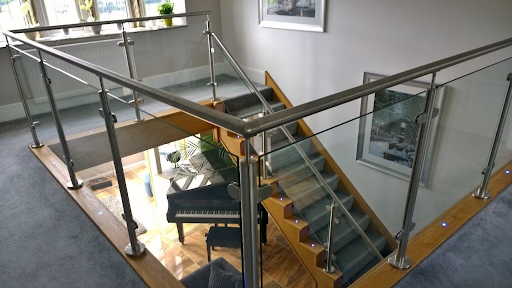
Glass handrail systems have become a popular choice for modern homes because they combine a clean appearance with practical functionality. Whether installed along staircases, balconies, or interior walkways, they can help create a more open and contemporary living space.
For homeowners planning a renovation or new construction project, understanding the available designs, hardware options, and safety considerations is essential before choosing a glass handrail system.
Quick Answer
Glass handrail systems offer a modern appearance, support natural light, and provide clear views. Choosing suitable glass, compatible brackets, and professional installation helps create a railing system that meets the project’s design and safety requirements.
Why Are Glass Handrail Systems Popular in Modern Homes?
One of the main advantages of glass handrail systems is their ability to make interiors feel brighter and more spacious. Unlike bulky traditional railings, glass allows light to travel through the space, making it especially suitable for compact homes and open-plan layouts.
These systems also work with different architectural styles. They can complement wooden staircases, concrete steps, metal structures, and contemporary balconies.
Another benefit is their versatility. Depending on the design, homeowners can choose frameless glass panels for a minimalist appearance or systems with visible posts and handrails for a more defined structure.
Popular Glass Handrail Designs for Residential Spaces
Frameless Glass Handrails
Frameless glass handrails create a streamlined appearance by reducing visible supporting elements. They are often used in modern staircases, mezzanines, and balconies where maintaining an open view is a priority.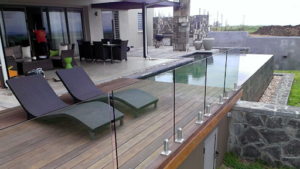
These systems require carefully selected fittings and suitable structural support. The glass thickness, panel dimensions, and fixing method should be determined according to the installation requirements and applicable building codes.
Glass Handrails with Metal Supports
Glass systems with metal posts or brackets provide a more defined appearance while retaining the visual benefits of glass. Stainless steel components are commonly selected for their clean finish and resistance to corrosion when the appropriate grade and maintenance are used.
This design can suit both interior and exterior applications, depending on the materials and system specifications.
Glass and Wood Combinations
Combining glass panels with wooden handrails creates a balance between modern and traditional design. Wood can introduce warmth, while glass maintains an open appearance.
This combination works particularly well in homes with natural flooring, wooden stair treads, or neutral interior finishes. The handrail profile and mounting hardware should be selected to provide a secure, comfortable grip.
Choosing the Right Handrail Brackets
Handrail brackets are important components because they connect the handrail to its supporting surface. The right choice depends on the handrail’s shape, material, mounting position, and the system manufacturer’s specifications.
Round Handrail Brackets
Round Handrail Brackets are commonly used with circular handrails. Their shape can complement stainless steel or other rounded handrail profiles, creating a consistent finish throughout the installation.
Before selecting these brackets, check the handrail diameter, mounting requirements, material compatibility, and intended load capacity. Properly matched components help ensure a stable and well-finished installation.
Square Handrail Brackets
Square Handrail Brackets are suitable for compatible square or angular handrail designs. They are often selected for contemporary interiors featuring straight lines, geometric details, and minimalist finishes.
When comparing bracket options, consider the mounting surface, fixing method, dimensions, and compatibility with the selected handrail. Brackets should not be chosen based on appearance alone; their suitability for the intended application is equally important.
How to Select the Right Rectangle Handrail
A Rectangle Handrail can provide a distinctive, modern finish for staircases and glass railing installations. Its flat surfaces and straight edges work well with contemporary interiors and angular architectural details.
When selecting a rectangular handrail, consider the following factors:
- Grip and comfort: The profile should be comfortable to hold and appropriate for the intended users.
- Material: Stainless steel, aluminium, and other materials may be suitable depending on the application and product specifications.
- Finish: Brushed, polished, or other available finishes should complement the surrounding design.
- Bracket compatibility: Confirm that the brackets are designed for the specific rectangular profile.
- Durability: Consider exposure to moisture, cleaning requirements, and the expected level of use.
A rectangular profile should also be checked against applicable accessibility and building requirements wherever relevant.
Important Safety Considerations for Glass Handrail Systems
Safety should be a priority when planning any glass railing installation. The appearance of a system is important, but the glass, supporting structure, fittings, and installation method must work together as a complete assembly.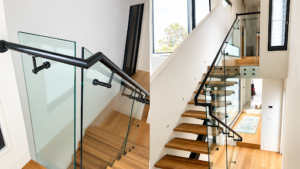
Choose Appropriate Safety Glass
Tempered safety glass is commonly used in railing applications because it is stronger than ordinary annealed glass of comparable thickness and generally breaks into smaller pieces. Laminated glass can help retain broken fragments within the interlayer.
The appropriate glass type and configuration depend on the application, applicable codes, and system design. In some locations, laminated or laminated-tempered glass may be required. Always confirm the specifications before ordering.
Check Structural Support and Hardware
Glass panels must be secured using compatible fittings and an adequately designed supporting structure. Brackets, clamps, posts, base channels, and anchors should be suitable for the selected system and the loads it must withstand.
Avoid mixing components simply because they appear to fit together. Use manufacturer-approved hardware and follow the specified installation instructions.
Follow Local Building Codes
Building requirements can vary by location and by whether the railing is installed on a staircase, balcony, deck, or elevated walkway. Requirements may address railing height, openings, structural loads, glass specifications, and handrail provisions.
Homeowners in Canada and the United States should check the applicable local building code and consult a qualified professional when necessary.
Glass Handrail Installation: What Should You Know?
Successful Glass Handrail Installation begins with accurate measurements and careful planning. The installer should evaluate the mounting surface, panel layout, handrail position, and fixing points before work begins.
The installation process generally involves these considerations:
- Measure the area: Confirm the staircase or balcony dimensions and determine the panel layout.
- Inspect the substrate: Verify that the supporting surface can accommodate the specified anchors and loads.
- Select compatible hardware: Match the brackets, clamps, channels, and handrail to the chosen glass system.
- Install according to specifications: Follow the manufacturer’s procedures for fixing, alignment, spacing, and tightening.
- Inspect the completed system: Check the stability of the handrail, panel security, fittings, and overall finish.
Glass panels should not be drilled, cut, or modified after tempering unless a specifically approved process and product design permit it. Such changes can cause the glass to break.
For complex staircases and elevated installations, professional installation is recommended to help ensure that the finished system meets the relevant safety requirements.
Maintaining Interior Glass Handrails
Interior Glass Handrails are relatively easy to maintain, making them a practical option for busy households. Regular cleaning helps preserve the transparency of the glass and the appearance of the hardware.
Use a suitable glass cleaner and a soft, non-abrasive cloth to remove fingerprints, dust, and everyday marks. Avoid harsh cleaning products that may damage metal finishes or other system components.
Periodically inspect accessible brackets, handrail connections, and visible fixings for signs of loosening, wear, or corrosion. If a panel becomes chipped, cracked, or unstable, restrict access to the affected area and arrange an assessment by a qualified professional.
Consistent maintenance helps keep the installation looking good while allowing potential issues to be identified early.
Create a Modern Look Without Compromising Safety
Glass handrail systems can enhance modern homes by combining clean lines, natural light, and versatile design options. From frameless panels to glass-and-wood combinations, the right configuration can complement different interior styles.
Selecting suitable Round Handrail Brackets, Square Handrail Brackets, or a Rectangle Handrail requires attention to compatibility, comfort, and durability. Equally important are appropriate safety glass, secure structural support, and careful Glass Handrail Installation.
By considering both appearance and technical requirements from the beginning, homeowners can choose a glass handrail system from RF Transparent that fits their space and supports long-term performance.
Frequently Asked Questions
- Are glass handrail systems suitable for modern homes?
Yes. They suit many modern interiors because they preserve sightlines, allow light to pass through, and pair well with materials such as wood, concrete, and stainless steel.
- Are frameless glass handrail systems safe?
They can be safe when designed for the intended application, fitted with appropriate safety glazing and engineered supports, and installed in accordance with applicable building requirements.
- What is the difference between round and square handrail brackets?
Round brackets have a curved profile that complements cylindrical or softer design details. Square brackets have angular lines that suit geometric, contemporary interiors. The correct choice depends on compatibility, design preferences, and system requirements.
- Can I use a rectangular handrail with glass panels?
Yes, provided the handrail, brackets, glass system, and mounting arrangement are designed to work together. Confirm the profile dimensions and fixing requirements before purchasing components.
- How often should glass handrail systems be inspected?
Inspect them periodically and follow the manufacturer’s maintenance recommendations. Check more frequently if the system experiences heavy use or exposure to moisture, severe weather, or other demanding conditions. Any visible damage or movement should be assessed promptly.
- Do glass handrail systems need to meet specific building codes?
Yes. Requirements depend on the installation location and application. Check the applicable local building code and safety-glazing requirements before finalizing the design or beginning installation.

