


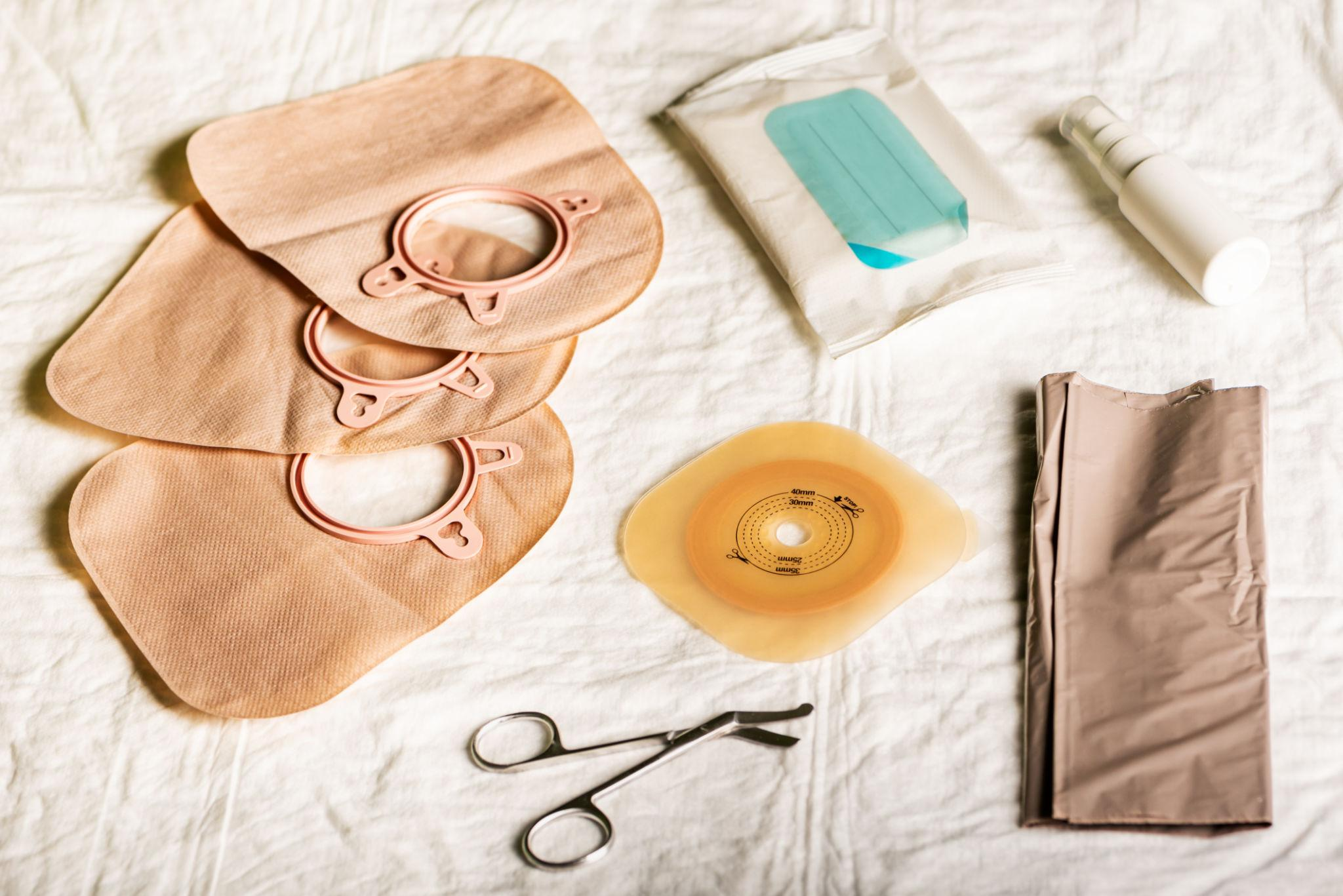
Ostomy care involves more than choosing the right products. It also requires planning ahead, keeping essential supplies available, and adapting to changing personal needs. Over time, these changes can leave people with extra ostomy pouches, wafers, collection bags, and accessories that are no longer suitable for their current routines. While keeping a reasonable supply of essential products is important, unused items can gradually take up storage space and represent money that has already been spent.
For people who have eligible surplus products, selling them may offer a practical way to recover some of their value. The challenge is finding a service that makes the process understandable, convenient, and straightforward. Ostomy Surplus provides a dedicated option for individuals who want to submit unused medical supplies for consideration, helping them explore a practical alternative to leaving suitable products unused at home.
Why People May Have Unused Ostomy Supplies
The need for ostomy products can change for several reasons. Someone may switch to a different pouching system after consulting a healthcare professional, discover that another product works better for their needs, or adjust their supply routine following changes in their circumstances. In other cases, buying products in advance can result in having more supplies than necessary.
These situations are common reasons why individuals may accumulate products they no longer require. Even when the supplies were purchased with good intentions, they can remain unused for months if personal care needs change.
Managing these extra products starts with understanding what is available. Reviewing stored supplies, checking product labels, and separating essential items from surplus stock can help people make informed decisions about what to keep and what they may be able to sell.
Selling eligible surplus supplies may also provide a financial benefit. Although sellers should not expect to recover the full original purchase price, receiving an offer for suitable products can help offset some previous expenses. The amount available will depend on the products, their condition, current demand, and the buyer’s requirements.
It is important to remember that not every unused item will qualify for resale. Product condition, packaging, expiration dates, and applicable regulations may influence whether a buyer can accept particular supplies.
How Ostomy Surplus Makes Selling More Convenient
Selling medical supplies can seem confusing when people are unsure where to begin. They may have questions about which products are accepted, what information they need to provide, and how the transaction will work. A clear process can make these questions easier to address.
Ostomy Surplus offers an online submission process that allows individuals to provide information about their surplus ostomy products for consideration. Rather than requiring sellers to figure out every detail independently, a dedicated service gives them a starting point for understanding their options.
The process begins with identifying the supplies that may be suitable for sale. These can include ostomy pouches, wafers, collection bags, and certain accessories, subject to the buyer’s current acceptance criteria. Sellers can then submit the requested product information and follow the instructions provided for the next stage.
Preparing in advance can make this experience more efficient. Keeping products organized and gathering their labels, sizes, quantities, and expiration dates can help sellers provide accurate information. It is also useful to photograph products when requested, particularly when images can help clarify packaging or product identification.
Before sending anything, sellers should confirm the acceptance requirements, payment terms, shipping arrangements, and any applicable fees. Understanding these details helps prevent misunderstandings and allows individuals to decide whether the transaction makes sense for them.
Preparing Your Supplies Before Submitting Them
A little preparation can make the selling process easier and help sellers determine which items are worth submitting. Instead of gathering everything at once without checking its condition, review each product carefully.
The following table highlights some practical considerations for common ostomy supply categories.
| Supply category | Important details to review |
| Ostomy pouches | Product type, size, packaging condition, and expiration date |
| Wafers and skin barriers | Model information, compatibility, packaging, and condition |
| Collection bags | Product specifications, quantity, and eligibility requirements |
| Ostomy accessories | Brand, intended use, packaging, and buyer acceptance criteria |
These categories are intended as a general guide. Acceptance varies, so sellers should confirm whether their specific products qualify before making arrangements.
Packaging deserves particular attention. Unopened products with intact packaging and readable labels may be easier for a buyer to assess. Products that are expired, damaged, opened, or otherwise unsuitable may not be accepted. Sellers should never assume that an item qualifies simply because it has not been used.
It is equally important to retain enough appropriate supplies for personal care. Anyone who relies on ostomy products for daily use should set aside the items they need before considering a sale. Changes to an established care routine should be discussed with a qualified healthcare professional when necessary.
What to Consider When Choosing a Medical Supply Buyer
Convenience is important, but it should not be the only factor when choosing a service for selling medical supplies. A trustworthy transaction also depends on clear communication, understandable terms, and responsible handling of personal information.
Start by checking whether the buyer explains its eligibility requirements. Clear guidance about accepted brands, product conditions, expiration dates, and packaging can help sellers avoid spending time preparing items that cannot be purchased.
Payment arrangements are another important consideration. Ask how offers are calculated, when payment is issued, and whether any fees or shipping expenses apply. A clear understanding of these details makes it easier to estimate the actual amount you may receive.
Privacy also deserves attention. Since medical supplies relate to personal healthcare, sellers should understand what information they are asked to provide and how it will be handled. Providing only the information required for the transaction is a sensible precaution.
For individuals who live outside major cities, nationwide purchasing options can be particularly useful. An online service may allow them to explore selling surplus supplies without having to locate a specialist buyer nearby. However, service areas and shipping arrangements should always be confirmed before proceeding.
Making Better Use of Surplus Medical Supplies
Unused medical products can represent both a storage challenge and an opportunity to recover some of their cost. Taking a systematic approach helps people decide which items they still need, which may be eligible for sale, and which should be handled according to appropriate disposal guidance.
Start by organizing products into separate groups. Keep essential supplies readily available, identify surplus items that meet the buyer’s stated requirements, and set aside products that are expired or unsuitable for resale. This simple routine can make storage more manageable while reducing the likelihood of accidentally selling something needed for personal care.
It can also help to review purchasing habits in the future. Keeping track of product usage, avoiding unnecessary bulk purchases, and checking current needs before ordering replacements may reduce the accumulation of surplus supplies. Healthcare professionals can provide guidance when product requirements change.
For those who already have extra items, Ostomy Surplus provides a starting point for submitting eligible ostomy and medical supplies for consideration. Sellers can review the company’s process, confirm which products are accepted, and assess the available terms before deciding how to proceed.
A Straightforward Way to Explore Your Options
Managing unused ostomy supplies does not have to become an ongoing household problem. When personal needs change, reviewing existing products can help people make better use of their storage space and understand whether some items may retain resale value.
The most effective approach combines careful preparation with realistic expectations. Check product condition, collect accurate information, confirm eligibility, and review payment and shipping terms before committing to a transaction. These steps help create a clearer understanding of the process and reduce avoidable complications.
For people with suitable surplus products, selling through a dedicated purchasing service may provide a practical alternative to leaving them unused. By taking the time to understand the requirements and make informed choices, individuals can manage extra supplies responsibly while exploring opportunities to recover part of their original cost.

