


Investing in commercial real estate is a significant financial commitment that requires careful research, sound judgement, and a clear understanding of long term responsibilities. While location, market demand, and potential rental income often influence purchasing decisions, these factors alone cannot determine whether a property represents a worthwhile investment. The physical condition of a building, its maintenance history, upcoming repair requirements, and future operating expenses can have an equally important impact on its overall value.
For investors, one of the biggest challenges is understanding what a commercial property may require after the purchase is complete. A building that appears attractive during an initial viewing could have ageing mechanical systems, deteriorating structural components, or maintenance issues that are not immediately visible. Without a proper evaluation, these concerns can create unexpected expenses and affect the financial performance of an investment.
This makes professional property assessments an important part of responsible real estate decision making. Through commercial inspections, property condition evaluations, and long term planning services, WBTreece Consultants helps property stakeholders gain a clearer understanding of the buildings they own or intend to acquire.
Looking Beyond the Purchase Price of a Commercial Property
A property’s asking price is only one part of its financial picture. Investors must also consider the condition of its major components, the cost of maintaining its facilities, and the improvements that may become necessary over time. These responsibilities can influence the actual cost of ownership and should be evaluated before any major investment decision.
Consider an investor interested in purchasing an established commercial building. The property may have an attractive location, existing tenants, and promising income potential. However, an ageing roof, outdated heating and cooling equipment, or deteriorating parking areas could require substantial expenditure in the coming years. If these matters are overlooked, the investor may underestimate the resources needed to maintain the building.
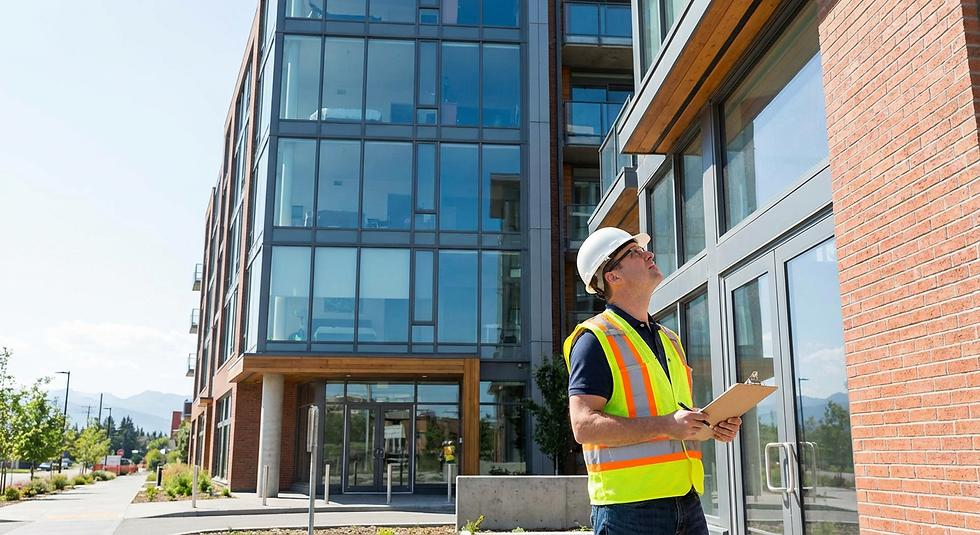
A detailed Property Condition Assessment provides valuable insight into these concerns. It examines important building components and identifies observable deficiencies, maintenance issues, and areas that may require attention. The findings help investors understand the property’s present condition rather than relying exclusively on its appearance or the information provided during a sales presentation.
This type of evaluation is particularly useful when purchasing office buildings, hotels, multifamily developments, retail centres, and other commercial properties. Each asset has different operational demands, making a property specific assessment essential for understanding its responsibilities and potential limitations.
How Professional Assessments Improve Investment Decisions
Commercial property investments involve several interconnected considerations. Investors must evaluate the building itself, understand its maintenance requirements, and determine whether its expected financial performance justifies the initial commitment.
Professional assessments provide information that can make this process more structured. Instead of making assumptions about a building’s condition, investors can review documented observations and consider how identified issues may affect their plans.
One important advantage is the ability to recognise maintenance concerns before they develop into more expensive problems. For example, water intrusion around a roof or exterior wall may appear relatively minor during an initial inspection. However, if left unaddressed, it could contribute to further deterioration and potentially affect other building components. Identifying such concerns early allows property stakeholders to investigate the issue and consider appropriate action.
Assessments can also help investors distinguish between immediate repair requirements and improvements that may be planned over a longer period. This distinction is important because not every identified deficiency carries the same level of urgency or financial impact.
Another benefit is improved decision making when comparing investment opportunities. Two commercial properties may have similar asking prices but very different maintenance requirements. Reviewing their physical condition can help investors understand which property may involve greater future expenditure and whether those costs are reflected in the proposed purchase price.
By providing professional insight into these considerations, WBTreece Consultants supports a more informed approach to evaluating commercial real estate opportunities.
Understanding Long Term Maintenance and Capital Requirements
Purchasing a commercial property is the beginning of an ongoing responsibility. Buildings require regular maintenance, and their major components gradually reach the point where repairs or replacements become necessary. Investors who plan only for immediate operating expenses may find it difficult to manage larger capital requirements when they arise.
Long term capital planning helps address this challenge by examining the expected condition and useful life of major building components. Depending on the property, this may include roofing systems, exterior surfaces, mechanical equipment, plumbing infrastructure, electrical installations, elevators, and parking facilities.
A Capital Needs Assessment can help owners understand which components may require investment in the coming years. This information provides a useful foundation for developing maintenance schedules and estimating future capital expenditures.
For example, an apartment complex may have several building systems approaching the end of their expected service lives. Rather than waiting until multiple systems fail, ownership can use assessment findings to prioritise replacements and distribute expenses across a more manageable planning period.
The same principle applies to hotels, office buildings, and institutional facilities. A well maintained property is easier to manage when its owners understand upcoming responsibilities and allocate resources accordingly.
Long term reserve planning is also valuable because it encourages property owners to look beyond short term financial results. Maintaining a building’s functionality and condition can help protect its usefulness, support tenant satisfaction, and reduce the likelihood of avoidable disruption.
The Importance of Due Diligence Before Acquiring Property
Due diligence is one of the most important stages of a commercial real estate transaction. It gives potential buyers an opportunity to examine the factors that could influence a property’s financial and operational performance before completing the purchase.
Although financial statements, lease agreements, market conditions, and location deserve close attention, the building’s physical condition should never be treated as a secondary consideration.
A thorough evaluation can help investors examine several important areas, including structural integrity, mechanical systems, maintenance records, future capital improvements, and operational requirements.
The following table highlights some of the key factors investors should consider when evaluating a commercial property.
Key Factors Behind Commercial Property Assessments
| Assessment Area | What Investors Should Consider | Why It Matters |
| Structural Condition | Foundations, walls, roofing and building components | Helps identify potential repair requirements |
| Mechanical Systems | HVAC, plumbing and electrical installations | Supports operational reliability and maintenance planning |
| Building Maintenance | Existing damage, previous repairs and recurring issues | Helps anticipate future maintenance expenses |
| Capital Requirements | Major replacements and long term improvements | Makes future budgeting more manageable |
| Property Functionality | Building layout, facilities and intended use | Helps determine whether the property meets investment objectives |
| Environmental Considerations | Potential environmental concerns and relevant building conditions | Helps investors understand additional responsibilities |
Reviewing these factors together provides a more complete understanding of a commercial property’s condition and future requirements. Rather than evaluating individual building components in isolation, investors can consider how different issues may influence maintenance costs, operational efficiency, and long term financial performance.
The purpose of due diligence is not simply to identify problems. It is to understand the responsibilities associated with ownership and determine whether the investment aligns with the buyer’s financial objectives.
Why Different Commercial Properties Require Different Assessment Strategies
Commercial real estate is not a single category of investment. Hotels, retail centres, industrial buildings, office spaces, and multifamily developments all have different physical characteristics and operational priorities. As a result, their assessment requirements can vary considerably.
A hotel, for example, depends on the condition of guest rooms, shared facilities, mechanical systems, and other features that influence the visitor experience. Renovation planning may also be necessary to keep the property aligned with changing operational expectations.
Office buildings often require attention to heating and cooling systems, elevators, electrical infrastructure, common areas, and building accessibility. Retail properties may have additional considerations involving storefronts, parking areas, external surfaces, and shared facilities.
Multifamily properties present another set of responsibilities. Owners must consider the condition of residential units, shared building systems, exterior areas, and facilities used regularly by tenants.
Understanding these differences allows investors to choose assessment services that reflect the actual needs of their properties. A general overview may be useful, but a more focused evaluation can provide better insight into the components that matter most for a particular asset.
WBTreece Consultants offers commercial property assessment and planning expertise that can help stakeholders approach these varied requirements with greater clarity.
Turning Property Information Into Practical Financial Planning
Receiving an inspection report is only one part of the investment process. The real value comes from understanding its findings and using them to make practical decisions.
Investors should review identified concerns, consider their potential financial implications, and determine which matters require immediate attention. Some deficiencies may need prompt repairs, while others can be incorporated into future maintenance schedules.
This approach can improve budgeting by helping owners distinguish between routine operating expenses and larger capital projects. It also supports better communication between property managers, investors, contractors, and financial decision makers.
For organisations managing several commercial buildings, consistent assessment information can be especially valuable. Comparing property conditions across a portfolio can help identify assets requiring greater attention and establish priorities for future investment.
Professional reports can also support discussions about acquisition decisions, refinancing, renovation planning, and ongoing asset management. Although no assessment can eliminate every investment risk, reliable property information can make financial planning more realistic.
The ability to connect physical building conditions with financial responsibilities is an important part of managing commercial real estate effectively.
Building Greater Confidence Through Informed Property Decisions
Successful property investment is rarely the result of one decision. It develops through a series of careful evaluations, realistic expectations, and informed choices made throughout the ownership process.
Investors who understand a property’s condition are better prepared to assess its potential, recognise its limitations, and plan for the responsibilities that come with ownership. They can also approach negotiations and future improvement projects with a clearer understanding of the factors involved.
Professional experience matters when evaluating complex commercial buildings. Understanding construction components, recognising maintenance concerns, and interpreting assessment findings requires relevant technical knowledge and a practical understanding of commercial property requirements.
WBTreece Consultants brings these considerations together through its focus on commercial property assessments, capital planning, and related consulting services. This approach helps property owners, investors, and other stakeholders obtain useful information when evaluating buildings and preparing for future responsibilities.
Conclusion
Making informed commercial real estate decisions requires more than identifying a property with attractive financial potential. Investors must understand the building’s physical condition, recognise possible maintenance challenges, and consider the costs associated with long term ownership.
Professional property assessments provide an important foundation for this process. They help uncover potential concerns, support more realistic budgeting, and give investors a clearer understanding of what a property may require in the years ahead.
Whether evaluating a potential acquisition, managing an existing portfolio, or planning major building improvements, access to reliable property information can make a meaningful difference. With careful due diligence and professional assessment support, investors can approach commercial real estate opportunities with greater confidence and develop strategies that account for both immediate priorities and long term objectives.

