


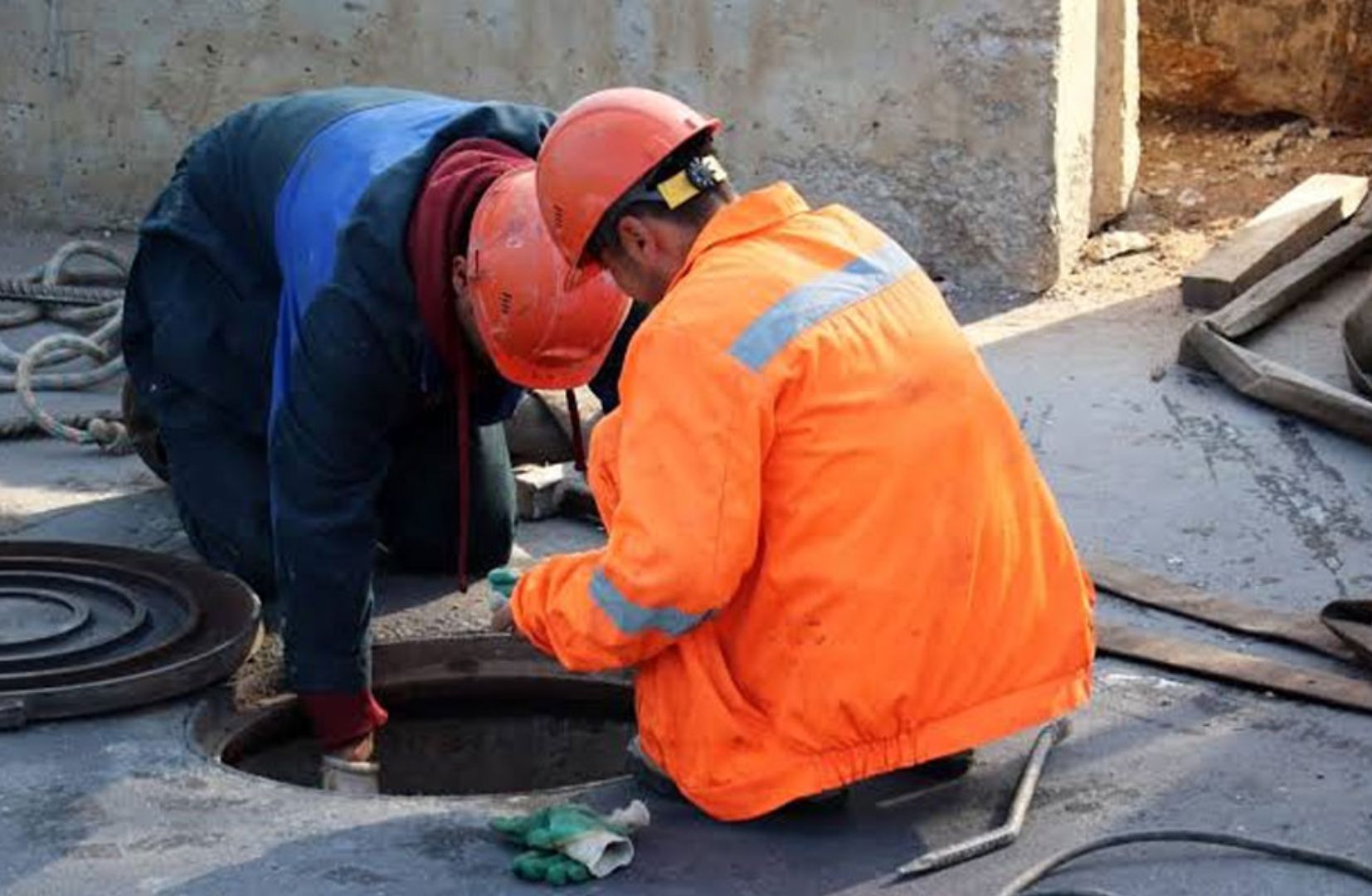
A properly functioning sewer system is essential to keeping a property clean, comfortable, and sanitary. Sewer lines carry wastewater away from buildings and transport it toward an appropriate treatment or collection system. Because most sewer pipes are located underground, problems can remain hidden until symptoms such as slow drains, unpleasant odors, wastewater backups, or unusually wet areas become noticeable. When these warning signs appear, prompt professional evaluation can help identify the cause before a relatively manageable issue develops into extensive property damage. Professional sewer repair can address a wide range of problems, from localized pipe damage and root intrusion to collapsed sections and deteriorated connections.
Sewer systems can experience problems for many reasons. Aging pipes may deteriorate naturally, while shifting soil, tree roots, ground movement, corrosion, poor installation, excessive loads, or repeated blockages can contribute to damage. Modern diagnostic equipment has also changed how many sewer problems are investigated. Instead of immediately excavating large sections of a property, professionals can often use inspection cameras and other tools to identify the location and nature of a problem first. This allows repair decisions to be based on actual pipe conditions rather than assumptions.
Understanding How Sewer Lines Work
A sewer line is designed to move wastewater away from a property through gravity or, in some systems, mechanical pumping. The system may include interior drain lines, a building sewer, connections, cleanouts, and larger municipal or private sewer infrastructure.
When the system is functioning correctly, wastewater should move through the pipes without significant resistance. A blockage, damaged section, collapsed pipe, or poor slope can interfere with this flow and create backups.
Because sewer lines are often buried underground, identifying the source of a problem from surface symptoms alone can be difficult. A backup inside a building may be caused by a localized blockage, a damaged pipe farther downstream, or a problem affecting a larger section of the sewer system.
Understanding the complete drainage layout is therefore an important part of professional diagnosis.
Common Signs of Sewer Problems
Slow drains are often one of the earliest signs of a developing sewer problem. While an isolated slow drain may simply have a local blockage, multiple slow drains throughout a building can indicate an issue affecting the main sewer line.
Repeated backups are another important warning sign. If toilets, sinks, showers, or floor drains repeatedly back up even after conventional cleaning, the underlying problem may be more significant than an ordinary household clog.
Unpleasant sewer odors can also indicate a drainage problem. Strong or persistent odors inside or around a property may result from damaged pipes, blocked lines, broken connections, or other issues.
Unusually wet or sunken areas in a yard can sometimes indicate underground pipe leakage. However, surface moisture can have many causes, so professional inspection is necessary before assuming that a sewer line is responsible.
Causes of Sewer Line Damage
Sewer pipes can deteriorate because of age and repeated exposure to wastewater, soil conditions, pressure, and changing temperatures. Older pipe materials may become brittle, corroded, cracked, or structurally compromised over time.
Tree roots are another common source of problems. Roots naturally seek water and can enter small cracks or joints in underground pipes. Once inside, they can grow and restrict the flow of wastewater.
Ground movement can also affect sewer lines. Soil settlement, erosion, construction activity, or other changes beneath the property may cause pipes to shift, separate, or develop cracks.
Poor installation can contribute to long-term problems as well. Incorrect pipe alignment, inadequate slope, weak connections, or unsuitable materials may cause drainage problems that become more noticeable over time.
The Importance of Professional Inspection
Before deciding how to fix a sewer problem, it is important to determine exactly what is happening inside the pipe. Professional inspections can provide valuable information about the location, severity, and type of damage.
A sewer camera can be inserted into an accessible portion of the line and moved through the pipe while transmitting video to the operator. This can reveal blockages, cracks, root intrusion, collapsed sections, separated joints, and other conditions that would otherwise remain hidden.
Camera inspection can also help determine whether a problem is localized or extends through a larger section of the system. This information can influence whether cleaning, localized replacement, trenchless rehabilitation, or excavation is appropriate.
Clearing Blockages
Not every sewer problem requires pipe replacement. Some issues are caused primarily by accumulated debris, grease, foreign materials, or root growth that restricts the flow without seriously damaging the pipe.
Professional drain-cleaning equipment can sometimes restore flow by removing the obstruction. Hydro jetting is one method that uses high-pressure water to clean the interior walls of suitable pipes.
Mechanical equipment may also be used to remove certain blockages. The appropriate method depends on pipe condition, blockage type, accessibility, and the risk of damaging an already weakened line.Cleaning can restore function, but it does not necessarily resolve underlying structural damage. If the pipe itself is cracked, collapsed, or severely deteriorated, additional sewer repair may still be necessary.
Repairing Cracked Pipes
Cracks can develop for many reasons, including age, ground movement, root pressure, corrosion, or excessive external loads. Small cracks may initially produce only minor leakage or drainage problems, but they can worsen over time.
The repair approach depends on the location and extent of the damage. A localized section may sometimes be replaced without disturbing the entire sewer line.
In other situations, trenchless methods may provide an alternative to traditional excavation. These methods can involve inserting a liner or replacement pipe through existing access points, depending on the condition and configuration of the system.A professional inspection should determine whether the existing pipe is suitable for a particular repair method.
Addressing Root Intrusion
Tree roots can enter sewer lines through joints, cracks, and other openings. Once inside, they can create recurring blockages and restrict wastewater flow.
Removing the roots may restore flow temporarily, but if the underlying opening remains, regrowth can occur. Long-term resolution may require repairing or replacing the damaged section.
Property owners should not assume that cutting down a nearby tree is automatically the correct solution. Root systems and pipe conditions vary, and a professional assessment can determine whether the problem is related to roots and what intervention is appropriate.
Traditional Excavation and Replacement
Traditional sewer replacement involves excavating the ground to expose the damaged pipe. The affected section can then be removed and replaced with new piping.
This approach may be necessary when the pipe has collapsed extensively, when access is difficult, or when surrounding infrastructure requires substantial reconstruction.Excavation can involve removing soil, landscaping, pavement, or other surfaces above the sewer line. After the pipe work is completed, the disturbed area must be restored.
Although excavation can be more disruptive than trenchless techniques, it remains an effective option for many situations and may be the most practical approach when extensive structural damage is present.
Trenchless Repair Options
Trenchless technologies can reduce the amount of excavation required in suitable situations. Depending on the system and damage, options may include pipe lining or pipe bursting.
Pipe lining generally involves installing a resin-based liner inside an existing pipe. Once cured, the liner creates a new pipe within the old one.
Pipe bursting uses specialized equipment to fracture the existing pipe while simultaneously pulling a new pipe into place. This method can be useful for certain replacement projects, although its suitability depends on site conditions, pipe configuration, surrounding utilities, and other factors.
Trenchless methods are not appropriate for every sewer problem. A detailed inspection is necessary to determine whether the existing line and property conditions can support the proposed technique.
Preventing Sewer Damage
Preventative maintenance can help reduce the risk of sewer problems. One important practice is being careful about what enters drains. Grease, cooking oils, wipes, paper products not designed for sewer systems, chemicals, and other unsuitable materials can contribute to blockages.
Even products marketed as flushable may behave differently once they enter a sewer system. Property owners should follow local wastewater guidance and avoid flushing materials that are not specifically intended for sewer disposal.
Tree planting should also be planned with underground infrastructure in mind. Trees with aggressive root systems may create future conflicts when planted too close to sewer lines.
Regular inspections can be particularly useful for older properties or buildings with a history of recurring backups.
Protecting Sewer Cleanouts
Cleanouts provide access to sewer lines for inspection, maintenance, and cleaning. They should remain accessible and clearly identifiable.
Landscaping, paving, construction, or other modifications can accidentally cover cleanouts, making future service more difficult. Property owners should avoid permanently blocking access.If a cleanout cap is damaged, missing, or difficult to remove, it should be addressed appropriately. A functioning access point can make future sewer maintenance faster and less disruptive.
Sewer Problems and Landscaping
Underground sewer work can affect landscaping even when the plumbing problem itself is relatively localized. Excavation may disturb lawns, trees, gardens, pathways, and irrigation systems.
Before digging, professionals should identify relevant underground utilities and consider the location of landscaping features. Appropriate planning can reduce accidental damage.
Trenchless methods can sometimes reduce surface disruption, but they are not automatically preferable in every situation. Soil conditions, pipe depth, access points, and the condition of the existing sewer line all influence the available options.After repair, disturbed areas should be restored appropriately. Landscaping repairs may be performed separately depending on the contractor and project scope.
Sewer Repair for Older Properties
Older buildings may have sewer lines constructed from materials that have different characteristics from modern piping. Over time, these pipes can develop cracks, corrosion, joint failures, or structural deterioration.
Properties with recurring backups or unexplained drainage problems may benefit from a camera inspection, particularly when the age and condition of the sewer line are unknown.
Replacing an entire sewer line solely because it is old is not always necessary. Actual condition should be considered alongside age. Some older pipes may remain functional, while others may require attention because deterioration has progressed.A condition-based approach can help property owners make more informed maintenance decisions.
Choosing a Sewer Professional
Selecting an experienced contractor is an important part of any sewer project. Property owners should consider licensing requirements, insurance coverage, experience with the relevant repair method, inspection capabilities, and references.
A professional should be able to explain the problem in understandable terms and identify the evidence supporting the recommended solution.
Written estimates are useful for larger projects. The estimate should describe excavation, pipe replacement or rehabilitation, labor, materials, cleanup, restoration, permits where applicable, and any assumptions regarding hidden conditions.Property owners should also ask whether the work includes post-repair inspection or testing.
Cost Factors
The cost of sewer repair depends on several factors, including the location and depth of the pipe, extent of damage, pipe material, repair method, accessibility, labor requirements, and surface restoration.
Traditional excavation may involve additional costs for removing and replacing landscaping, pavement, concrete, or other structures. Trenchless methods can reduce certain restoration expenses but may require specialized equipment and materials.Emergency work can also have different pricing from scheduled repairs, particularly when service is needed outside normal operating hours.
Obtaining a detailed estimate helps property owners understand the scope of work and compare proposals accurately. The lowest initial price may not represent the lowest overall cost if important services are excluded.
Handling Sewer Backups Safely
Sewage backups can create serious sanitation concerns. If wastewater enters a home or business, occupants should avoid unnecessary contact with it and keep children and pets away from affected areas.
Porous materials contaminated by sewage may require specialized cleaning or replacement. Professional remediation may be appropriate depending on the extent of contamination.
Property owners should also avoid repeatedly using chemical drain cleaners when a main sewer blockage is suspected. These products may not resolve the underlying issue and can create hazards for anyone performing subsequent plumbing work.
Final Thoughts
Sewer problems can range from relatively simple blockages to significant structural failures, and identifying the correct cause is essential before selecting a repair method. Slow drains, recurring backups, unpleasant odors, unexplained wet areas, and other unusual symptoms can all justify further investigation.
Effective sewer repair begins with accurate diagnosis. Camera inspections and other professional tools can reveal the condition of underground pipes without immediately requiring extensive excavation. Once the problem is identified, options may include cleaning, root removal, localized replacement, traditional excavation, or trenchless rehabilitation.
Preventative practices can also reduce the likelihood of future problems. Avoiding unsuitable materials in drains, managing grease properly, protecting sewer access points, planning landscaping carefully, and scheduling inspections when appropriate can all contribute to better sewer performance.
When repairs are necessary, property owners should work with qualified professionals who can explain the condition of the system and provide a clear scope of work. Different properties require different solutions, and the most appropriate method depends on actual pipe conditions, accessibility, surrounding infrastructure, and long-term objectives.
Ultimately, sewer repair is not simply about restoring drainage after a backup occurs. It is about identifying the underlying cause, addressing damaged or deteriorated components appropriately, and improving the reliability of the wastewater system. Prompt attention to warning signs, combined with proper maintenance and professional evaluation, can help protect the property from avoidable water damage, sanitation problems, and increasingly expensive repairs.

