


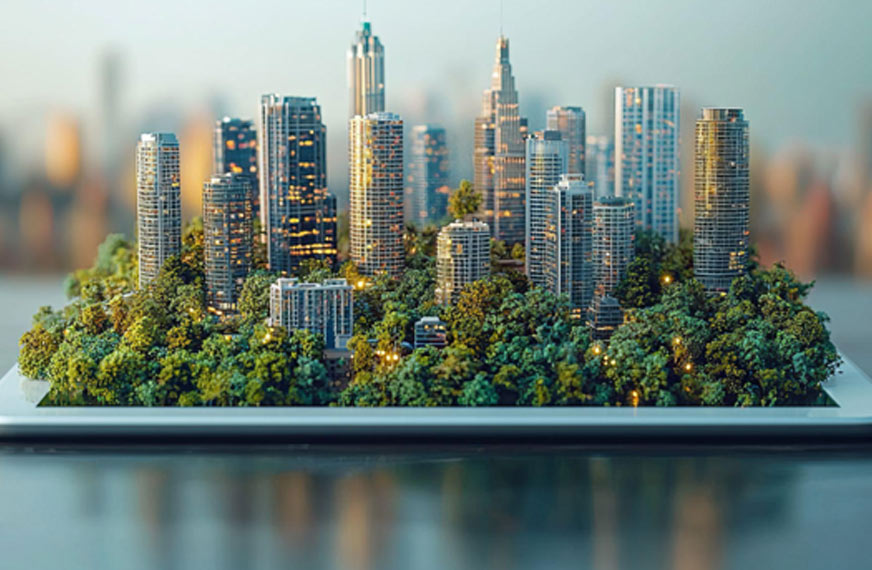
Communities are changing as people look beyond four walls when choosing a home. A well-planned neighbourhood can influence daily comfort, social interaction, access to useful amenities, and the overall quality of living. As cities grow, real estate development is increasingly focused on creating spaces that respond to practical needs while also supporting long-term value. In 2026, buyers are paying closer attention to planning, sustainability, connectivity, flexible spaces, and lifestyle features. These trends are shaping communities designed for living and evolving needs.
What Is Driving the Next Phase of Community Development?
Future-ready communities are built around a broader view of residential living. Instead of treating a home as an isolated unit, developers are considering how buildings, open areas, amenities, infrastructure, and surroundings work together. This approach can make routines easier and strengthen belonging. The direction of real estate is therefore moving toward projects where thoughtful planning and practical design have equal importance.
The Main Trends Influencing Community Planning
Several changes are shaping how residential developments are planned. Buyers are becoming more aware of how a project uses its available space and whether its features can remain useful over time. Developers are responding by giving greater attention to efficient layouts, open spaces, recreational facilities, environmental responsibility, and convenient community features. These priorities are becoming markers of well-planned developments.
1. Flexible Spaces for Changing Lifestyles
Homes and shared spaces need to support different routines. A resident may work from home, exercise indoors, spend time with family, or use community areas for relaxation. Flexible planning can help spaces serve multiple purposes without making them feel crowded.
2. Greater Importance of Open Areas
Open spaces can make a community feel comfortable and connected to nature. Landscaped areas, walking paths, gardens, and activity zones can provide places to relax, move, and spend time together.
3. Lifestyle Amenities With Purpose
Amenities are becoming more meaningful when they support everyday interests rather than simply adding to a project list. Fitness areas, swimming pools, play zones, indoor recreation, and social spaces can encourage healthier and more active routines.
4. Sustainability in Everyday Design
Environmental responsibility is becoming a stronger consideration in development. Energy-efficient planning, responsible construction practices, water management, and environmentally conscious materials can help communities reduce unnecessary resource use while supporting comfortable living.
5. Connected and Convenient Locations
Location remains an important part of community planning. Access to employment areas, roads, public infrastructure, schools, retail destinations, and social facilities can influence how easily residents manage daily travel and responsibilities.
Why Design and Function Need to Work Together
A visually attractive development may create an immediate impression, but lasting satisfaction depends on how well the space works. Good planning considers movement, privacy, natural surroundings, shared facilities, parking, security, and the relationship between private and common areas. When design and function support each other, residents can enjoy greater convenience without compromising the community’s character.
This balance is particularly relevant to buyers considering the best luxury real estate, because premium living is no longer defined only by larger homes or impressive finishes. It can also be reflected in thoughtful layouts, carefully planned amenities, generous open areas, and a setting that supports everyday comfort. A well-designed premium community should make quality visible through both appearance and usability.
Features Buyers May Prioritise in 2026
As buyer expectations evolve, certain features are becoming more important for comfortable, practical, and future-ready community living.
- Efficient home layouts that support different daily activities
- Well-planned amenities for fitness, recreation, relaxation, and social interaction
- Landscaped and open areas that add breathing space to the community
- Practical infrastructure designed for convenience and long-term use
- Responsible planning that considers energy, water, and environmental impact
These elements can help buyers compare projects beyond their first visual impression. They also encourage a more complete understanding of what makes a community suitable for long-term living.
The Growing Role of Sustainable Development
Sustainability is becoming part of the wider conversation around responsible development. Communities can incorporate environmental thinking through energy-efficient planning, water conservation, waste management, landscaping, and careful material selection. These measures can support resource-conscious living while contributing to a healthier relationship between built spaces and their surroundings.
Sustainable planning can also influence comfort, efficiency, and long-term usability. As buyers become more informed, projects that combine lifestyle needs with responsible planning may stand out more strongly in a competitive market.
Location and Connectivity Will Stay Important
Even the most thoughtfully designed community needs a setting. Residents want reasonable access to workplaces, transportation routes, social infrastructure, and everyday services. Strong connectivity can reduce travel challenges and make routines easier to manage, particularly for families and working professionals.
For developers, this makes location planning an important part of creating future-ready communities. A project positioned within a growing urban environment can benefit from surrounding infrastructure while giving residents access to established and emerging activity hubs. However, consider location alongside project design, amenities, and overall development quality rather than as a standalone factor.
What Makes a Community Ready for the Future?
A future-ready community should be designed to adapt to changing lifestyles while maintaining comfort and convenience. Thoughtful planning, useful amenities, open spaces, and sustainable features can help create lasting value.
- Adaptable spaces that can accommodate changing household needs
- Amenities that remain relevant across different age groups
- Strong attention to open spaces and community interaction
- Sustainability measures integrated into development planning
- A balanced combination of comfort, functionality, and long-term value
When these qualities come together, a community can remain useful as lifestyles change. Future readiness is ultimately about creating spaces that feel relevant beyond the moment of purchase.
Conclusion
The real estate landscape in 2026 is increasingly shaped by thoughtful planning, purposeful amenities, sustainability, connectivity, and flexible living. Buyers are looking beyond individual homes and considering whether an entire community can support their lifestyle for years to come. This shift is encouraging development that balances design appeal with practical performance and long-term relevance.
For those seeking the best luxury real estate, Genurise Builders brings together thoughtfully planned residential and commercial developments with an emphasis on design excellence, functional intelligence, enduring value, and responsible development. Its portfolio reflects an approach focused on creating refined living and working spaces for changing needs, making it a strong option for buyers who value quality-led community development.

