


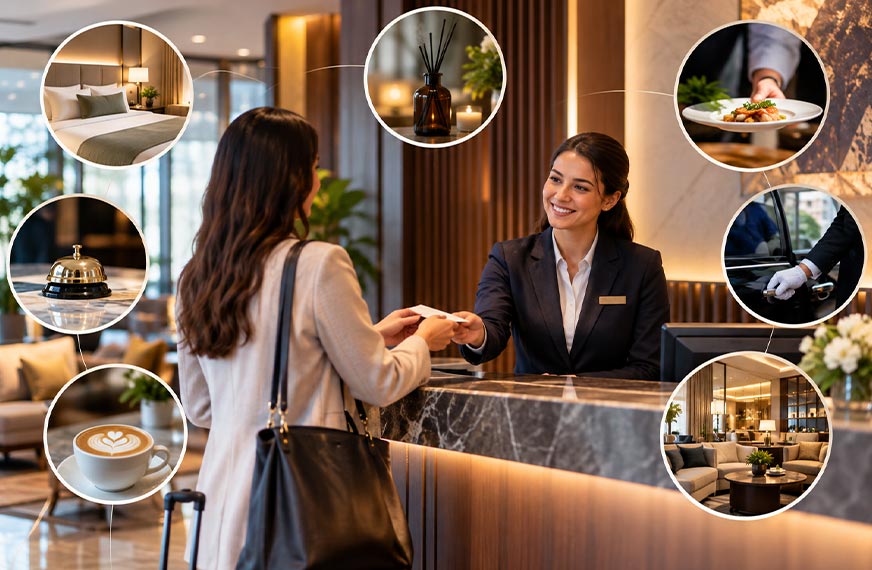
When guests walk into a hotel, their first impression is created within seconds. They notice the architecture, lighting, furniture, cleanliness, and overall design of the space. However, a memorable hotel experience is not built only through what guests see. Other senses, particularly smell, can also contribute to how people perceive and remember an environment. Research on ambient scent and the multisensory built environment suggests that odors can interact with other sensory elements to influence people’s experiences of indoor spaces.
A beautifully designed lobby may attract attention, while a carefully selected fragrance can contribute to an atmosphere that feels welcoming and comfortable. This is one reason some modern hotels are incorporating sensory considerations into their branding and interior experience. A carefully selected urlHotel Scent Diffuserhttps://themagicscent.com/pages/hotel-scenting can give hotels greater control over how fragrance is introduced throughout different areas of a property.
The Importance of First Impressions in Hospitality
The hospitality industry is built around experiences. Guests are not only paying for a room; they are also looking for comfort, convenience, relaxation, and a feeling of being valued. From the moment they enter a hotel, details throughout the environment contribute to their overall perception of the property.
Visual elements such as elegant interiors, stylish furniture, attractive lighting, and thoughtful layouts create the foundation of a premium environment. However, these elements are only part of the sensory experience. Sound, temperature, texture, lighting, and fragrance can also contribute to the atmosphere guests encounter.
Research in consumer and environmental psychology indicates that ambient odors can influence aspects of mood, perception, and consumer experience, although responses can vary depending on the individual, context, and relationship between the scent and the surrounding environment.
For hotels, this means fragrance can be considered as one element of a broader sensory design strategy rather than as a guaranteed way to create a particular emotional response.
How Scent Can Influence Guest Experience
Olfactory processing has close connections with brain regions involved in emotion and memory. This relationship helps explain why certain odors can become strongly associated with particular places, experiences, or memories. Reviews of olfactory memory and emotion describe connections between olfactory pathways and structures such as the amygdala and hippocampus, which are involved in emotional processing and memory.
The effect of a fragrance is not necessarily the same for every guest. Personal experience, cultural background, familiarity, preference, and the surrounding environment can all influence how an odor is perceived. Research on odor, mood, and emotion also indicates that the relationship between scent and emotional response is complex rather than completely predictable.
For example, a hotel may choose softer floral or lavender-inspired notes for a spa environment, fresher citrus profiles for lively common areas, or warm woody fragrances to complement a sophisticated interior concept. These choices are primarily about matching the fragrance profile with the intended atmosphere and design of the space rather than assuming that a particular scent will produce the same response in every guest.
Hotels that understand this principle may develop a signature scent that reflects their personality. Similar to a logo, color palette, or interior design style, a distinctive fragrance can become another sensory element of a hotel’s identity.
Why Hotels Are Moving Toward Professional Fragrance Systems
Traditional air fresheners often provide temporary fragrance and may not offer the level of control required for large commercial spaces. Hotels may need to consider how fragrance is introduced across reception areas, lounges, restaurants, hallways, spa facilities, and guest rooms.
A professional urlHotel Scent Diffuserhttps://themagicscent.com/pages/hotel-scenting is designed to distribute fragrance across designated areas while giving properties greater control over factors such as fragrance intensity, operating schedules, and coverage. The exact performance of a system depends on the equipment, space, ventilation, fragrance formulation, and installation.
Professional scent systems can therefore provide a more structured approach than temporary sprays or basic air fresheners. Instead of treating fragrance as an occasional addition, hotels can incorporate it into their wider approach to environmental design and guest experience.
Creating a Luxury Atmosphere Beyond Interior Design
Luxury is often associated with attention to detail. High-end hotels carefully consider everything from bedding and lighting to amenities, service, furnishings, and interior finishes. Fragrance can be another detail that contributes to the overall sensory character of a property.
A fresh and carefully selected aroma may complement the visual identity of a hotel and become part of how guests experience the space. However, fragrance should generally work alongside the existing environment rather than dominate it.
Hotels can also use different fragrance profiles in different areas. A lobby might feature a distinctive signature fragrance, while a spa may use a softer profile that complements its design concept. Guest rooms may benefit from subtle fragrance choices that do not compete with the room’s other sensory elements.
This approach creates a more complete sensory experience rather than relying entirely on visual design.
Scent Marketing and Hotel Branding
Branding is no longer limited to logos, colors, advertisements, and typography. Sensory marketing allows businesses to consider how customers experience a brand through multiple senses. In hospitality, this can be particularly relevant because guests spend extended periods interacting with the physical environment.
A signature fragrance can contribute to consistency across selected touchpoints by giving a property another recognizable sensory characteristic. Research on ambient scent and sensory environments highlights how scent interacts with visual and other environmental cues, while research on ambient scent in public and commercial environments has examined its potential role in shaping consumer experiences.
Signature fragrance has also been used within hospitality branding. Academic discussion of signature scents in hospitality and other environments describes examples involving hotel groups and other commercial spaces. This illustrates how fragrance can be incorporated into a broader sensory identity strategy.
Rather than replacing traditional branding, scent can therefore serve as an additional layer of the hotel’s overall identity.
Choosing the Right Fragrance Solution for a Hotel
Selecting a fragrance requires more than choosing a scent that simply smells pleasant. Hotels should consider their target audience, location, interior design, property type, brand personality, and the purpose of each space.
A business hotel may choose a refined and fresh fragrance profile, while a resort may prefer a nature-inspired or location-specific concept. A spa, restaurant, lobby, or guest room may also require different approaches depending on the atmosphere the hotel wants to create.
Hotels should also consider factors such as room size, airflow, ventilation, fragrance strength, operating schedules, maintenance, and the placement of diffusion equipment. Professional consultation can help determine an appropriate fragrance profile and diffusion approach for different areas.
The goal should not be to overpower guests with a strong smell. Instead, fragrance should generally function as a subtle part of the environment. Individual preferences vary, so a balanced approach can help ensure that the scent complements rather than dominates the guest experience.
The Future of Hotel Experiences
As competition in the hospitality industry continues to grow, hotels are exploring different ways to make their properties distinctive and memorable. Sensory experiences, including fragrance, can form part of this broader approach to hospitality design.
Guests remember experiences through multiple sensory cues. A comfortable room, attentive service, attractive design, appropriate lighting, and a carefully considered fragrance can all contribute to the overall character of a property.
Solutions such as a Hotel Scent Diffuser can give hotels greater control over how fragrance is incorporated into the atmosphere and sensory identity of their property. The value comes not from guaranteeing a particular emotional response, but from thoughtfully integrating fragrance with the hotel’s wider design and hospitality strategy.
Conclusion
A hotel’s first impression is created through more than appearance. Visual design may attract attention initially, but sensory elements such as fragrance can also contribute to how guests experience and remember a space.
Research into olfactory memory and emotion shows that smell has distinctive connections with emotional and memory-related processes, while research into ambient scent highlights the importance of context and interaction with other elements of the environment.
For hotels, the most effective approach is therefore not simply to choose a strong or fashionable fragrance. It is to select a scent profile that complements the property’s identity, consider how it will be experienced in different spaces, and use appropriate diffusion technology to maintain a controlled environment.
In today’s hospitality industry, thoughtful sensory details can become part of what makes a property distinctive. When carefully planned, fragrance can serve as an invisible element of hotel design that complements the visual environment and contributes to a more cohesive guest experience.

