


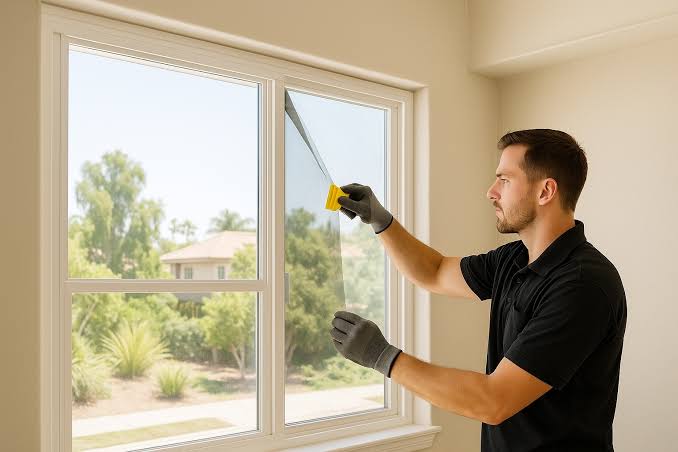
A comfortable home depends on more than attractive furniture, quality flooring, and well-designed interiors. Natural light, indoor temperatures, privacy, and energy efficiency also play important roles in creating a pleasant living environment. Windows allow sunlight to brighten rooms and connect indoor spaces with the outdoors, but they can also introduce excessive heat, glare, and unwanted visibility. During warmer months, direct sunlight can make certain rooms uncomfortable and increase the demand for air conditioning. At the same time, large windows may expose living areas to outside views, making it difficult to enjoy privacy without closing curtains or blinds. Residential window tinting offers a practical solution to many of these challenges by applying a specialized film to existing glass, helping homeowners manage sunlight while maintaining the benefits of natural daylight.
Modern window films are available in various shades, finishes, and performance levels, allowing homeowners to choose an option that suits their property’s appearance and functional requirements. Depending on the product, window tinting can reduce solar heat gain, minimize glare, filter ultraviolet radiation, and improve daytime privacy. Some films are designed to preserve a relatively clear view through the glass, while others provide a reflective appearance or a decorative finish. Understanding these differences helps homeowners select a solution that balances comfort, aesthetics, and long-term value. With suitable product selection and professional installation, window film can become a useful addition to a home’s overall energy management and interior protection strategy.
Understanding How Residential Window Tinting Works
Residential window tinting involves applying a thin, specially engineered film to the interior or, for certain products, the exterior surface of a window. These films may contain dyed, metallized, ceramic, or other advanced materials that influence how sunlight passes through the glass. Depending on the technology, the film can absorb or reflect some solar energy while allowing a selected amount of visible light to enter the room. This makes it possible to reduce excessive brightness and heat without completely blocking natural daylight. Unlike heavy window coverings, many modern films preserve an open appearance and allow homeowners to enjoy outdoor views throughout the day.
The performance of a window film depends on several factors, including its composition, visible light transmission, solar heat rejection, ultraviolet protection, and compatibility with the existing glass. A darker film does not automatically provide better heat control, and a highly reflective product may have different visual effects from a neutral ceramic film. Homeowners should therefore compare technical specifications instead of choosing a product based solely on its color or appearance. It is also important to consider the orientation of the windows, the local climate, the size of the glass panels, and the amount of direct sunlight each room receives. These details help determine which film is likely to provide the most useful combination of light control, privacy, and thermal comfort.
Improving Indoor Comfort by Reducing Solar Heat
One of the main reasons homeowners consider window film is the amount of heat that enters through sun-facing windows. Rooms with large glass panels can become noticeably warmer when direct sunlight falls on floors, furniture, and other interior surfaces. This can create uneven temperatures throughout the property, particularly when some rooms receive several hours of intense sunlight while others remain shaded. Window films designed for solar control can reduce the amount of solar energy entering through compatible glazing, helping make affected spaces more comfortable during bright weather.
The benefits may be especially noticeable in living rooms, home offices, bedrooms, and conservatories where sunlight creates persistent hot spots. By limiting solar heat gain, suitable film may also reduce the workload on air-conditioning equipment during periods of strong sunshine. However, the actual improvement depends on the existing windows, film specifications, building insulation, ventilation, and outdoor conditions. Window tinting should not be treated as a complete replacement for effective insulation, efficient cooling equipment, or appropriate shading. Instead, it can form part of a broader strategy for maintaining comfortable indoor temperatures and reducing unwanted solar exposure.
Enhancing Privacy Without Sacrificing Natural Light
Privacy is an important consideration for homes with street-facing windows, nearby neighboring properties, or living spaces that are visible from public areas. Traditional curtains and blinds can provide effective privacy, but keeping them closed throughout the day may reduce natural light and make rooms feel less open. Window films offer an alternative by changing how the glass appears from outside or by limiting visibility through the window under particular lighting conditions. Depending on the chosen product, homeowners can maintain a brighter interior while reducing direct views into selected rooms.
Reflective window film is often used to create a mirror-like appearance during brighter daytime conditions. However, its privacy effect depends on the difference in light levels between the interior and exterior. At night, when indoor lighting makes the room brighter than the outside environment, the reflective effect may weaken or reverse, allowing people outside to see in. Homeowners who require reliable privacy after dark should consider frosted or decorative films, suitable curtains, blinds, or a combination of window treatments. Choosing the right solution requires an understanding of how the windows are used, which rooms need privacy, and whether maintaining an unobstructed outdoor view is a priority.
Protecting Furniture, Flooring, and Interior Decorations
Sunlight can gradually affect the appearance of many interior materials, including wooden flooring, carpets, curtains, upholstery, artwork, and decorative objects. Ultraviolet radiation contributes to fading and material deterioration, although visible light, infrared radiation, heat, and the specific properties of each material can also influence the process. Rooms that receive strong sunlight for long periods may develop uneven fading, particularly where furniture or rugs cover only part of a surface. Window films that block a high proportion of ultraviolet radiation can help reduce one important source of exposure and provide additional protection for valuable interior furnishings.
UV protection is particularly useful in rooms with large windows, sunrooms, display areas, or expensive furniture placed near the glass. Nevertheless, no film can guarantee that all fading will be prevented because interior materials respond differently to light and environmental conditions. Homeowners can improve protection by combining appropriate window film with curtains, exterior shading, and sensible furniture placement. Rotating rugs and decorative objects periodically may also help reduce uneven exposure. When selecting a product, check its stated ultraviolet performance and ask the installer how it is expected to interact with the existing glass. A well-chosen film can provide an additional layer of protection while preserving the room’s natural brightness and appearance.
Reducing Glare for Better Everyday Living
Excessive glare can make ordinary activities uncomfortable, especially when sunlight shines directly onto televisions, computer monitors, kitchen counters, or reading areas. Bright reflections can interfere with visibility and force occupants to reposition furniture or close blinds even when they would prefer to keep the room illuminated. This problem is common in home offices, living rooms, and spaces with large windows facing the morning or afternoon sun. Window films designed to manage visible light can reduce glare and create a more balanced lighting environment, helping homeowners use their rooms more comfortably throughout the day.
Different films offer different levels of light transmission, so selecting the correct option is important. A film that reduces glare significantly may also make the interior darker, while a lighter product may preserve more daylight but provide less glare control. Homeowners should consider when glare occurs, how much natural light they want to retain, and whether the windows serve as important sources of daylight during working hours. Comparing product samples under realistic lighting conditions can help clarify these trade-offs before installation. The aim is to achieve a practical balance between visual comfort and the brightness needed for everyday activities.
Exploring the Different Types of Residential Window Films
The residential window film market includes several product categories designed to meet different needs. Dyed films use colorants to change the appearance of the glass and manage visible light, making them suitable for some decorative and glare-control applications. Metallized films incorporate reflective materials that can help control solar energy while creating a more reflective exterior appearance. Ceramic films use specialized nonconductive materials and are often selected for their combination of solar performance and relatively neutral appearance. Performance varies between manufacturers and individual products, so homeowners should review the specifications rather than assume that all films within one category deliver identical results.
Decorative and frosted films serve a different purpose by obscuring direct views through the glass while allowing some daylight to pass through. These products are useful for bathroom windows, entryways, interior glass partitions, and other areas where privacy is more important than maintaining a completely clear view. Security-oriented films are designed to help hold broken glass fragments together under certain conditions, although they do not make ordinary windows completely shatterproof or automatically turn them into impact-resistant glazing. Some specialized products combine several functions, while others focus on a single objective. Choosing the most suitable option begins with identifying the primary concern, whether it is heat, glare, privacy, ultraviolet exposure, decoration, or glass-fragment retention.
Improving Energy Efficiency and Managing Cooling Costs
Windows can contribute to unwanted heat gain during sunny weather and heat loss during cooler periods, depending on the glazing system and surrounding conditions. Solar-control film can help reduce heat entering through sun-exposed windows, which may lower cooling demand when excessive sunlight is a major contributor to indoor warmth. This can be particularly useful in properties with extensive glazing, limited exterior shading, or rooms that consistently become warmer than the rest of the home. By improving solar control, suitable window film may contribute to a more stable indoor environment and support the efficient operation of air-conditioning systems.
However, energy savings vary considerably from one property to another. The results depend on climate, window orientation, existing glazing, insulation levels, thermostat settings, occupancy patterns, and the performance characteristics of the selected film. Some films are primarily designed to reject solar heat, while others have limited effects on overall thermal performance. In colder conditions, reducing useful winter sunlight may not always be desirable, so homeowners should consider seasonal requirements before selecting a strongly reflective or dark product. Reviewing the manufacturer’s performance data and discussing the property’s specific conditions with an experienced installer can help establish realistic expectations about potential savings and comfort improvements.
Why Professional Window Film Installation Matters
Although window film may appear straightforward to apply, achieving a smooth and durable finish requires careful preparation and attention to detail. Glass surfaces must be cleaned thoroughly to remove dust, grease, and other contaminants that could become trapped beneath the film. The film must then be measured, cut, positioned, and applied using the correct techniques to minimize bubbles, creases, and visible imperfections. Poor installation can affect the appearance of the glass, reduce the film’s lifespan, and create edges that lift or peel over time.
Professional installers can also help homeowners choose a product that is compatible with the existing windows. This is especially important for insulated glass units, tinted glass, laminated glass, and other glazing systems that may respond differently to absorbed solar energy. Some films can increase thermal stress under particular conditions, potentially contributing to glass breakage if the combination of film and glazing is unsuitable. A qualified installer should review the glass type, manufacturer recommendations, warranty conditions, and relevant building requirements before beginning work. Professional installation can provide a more consistent finish and help reduce the risk of avoidable problems during the film’s service life.
Understanding the Cost of Residential Window Tinting
The cost of window tinting depends on several factors, including the total area of glass, the type of film selected, the complexity of the installation, and the accessibility of the windows. Larger properties may require more material, while windows with unusual shapes, multiple small panes, or difficult access can increase labor requirements. Premium ceramic films, decorative designs, and specialized security products may also cost more than basic films. For this reason, obtaining an itemized estimate is useful when comparing different solutions.
Homeowners should look beyond the initial price and consider the expected lifespan, warranty coverage, performance specifications, and maintenance requirements of the film. A less expensive product may be suitable for a simple decorative application, whereas a higher-performance film may be worth considering for rooms that experience significant solar heat gain. Estimates should clearly explain which windows are included, what preparation is required, whether old film must be removed, and whether any additional charges may apply. Comparing quotations based on the same scope of work makes it easier to assess value and avoid misunderstandings about the final cost.
Maintaining Tinted Windows for Long-Term Performance
Proper care helps preserve the appearance and performance of newly installed window film. Immediately after installation, the film may appear slightly hazy or contain small moisture pockets while the application solution dries. The time required for curing depends on the film type, weather conditions, humidity, and sunlight exposure. Homeowners should follow the installer’s instructions and avoid cleaning the windows before the recommended waiting period has passed. Attempting to press out moisture pockets or lift film edges can interfere with the curing process and damage the installation.
Once the film has cured, cleaning should be carried out with a soft cloth or suitable nonabrasive applicator and a cleaner approved for the product. Harsh chemicals, abrasive pads, and sharp tools should be avoided because they can scratch or damage the film’s surface. Regular gentle cleaning helps remove dust, fingerprints, and other residues without compromising the finish. Homeowners should also inspect the edges occasionally for peeling, bubbling, or discoloration and contact the installer if unusual changes occur. Following the manufacturer’s maintenance guidance can help preserve the film’s appearance and make it easier to identify problems while warranty support may still be available.
Choosing the Right Window Tinting Solution for Your Home
Selecting the right film starts with understanding the needs of each room rather than applying the same product to every window. A bedroom facing a nearby property may benefit from a privacy-focused film, while a living room exposed to strong afternoon sunlight may require a product designed for solar heat and glare control. A home office may need to preserve clear outdoor views while reducing reflections on computer screens. Bathrooms and entryways may benefit from decorative or frosted finishes that obscure visibility without relying on reflective effects.
Before making a decision, homeowners should consider the window’s orientation, existing glass specifications, desired appearance, daylight requirements, and seasonal conditions. It is also important to verify whether the selected film is suitable for the glazing and whether any neighborhood, building, or homeowners’ association rules apply. Asking an installer for samples and technical information can make comparisons easier and help ensure that expectations match the product’s actual capabilities. A carefully selected solution can improve the usability of individual rooms while maintaining a consistent appearance throughout the property.
Conclusion
Residential window tinting offers homeowners a practical way to manage sunlight, improve privacy, reduce glare, and limit ultraviolet exposure through existing windows. Depending on the film selected and the conditions of the property, it may also help control solar heat gain and reduce the demand for air conditioning during sunny weather. With a wide range of products available, homeowners can choose solutions that prioritize thermal comfort, natural light, decorative appearance, or privacy in different parts of the house.
Achieving the best results requires more than choosing a particular shade or finish. Understanding the performance specifications, checking compatibility with the existing glazing, comparing installation estimates, and following appropriate maintenance practices all contribute to a successful outcome. Professional guidance is especially valuable when windows are large, difficult to access, or part of an insulated glazing system. By evaluating household needs carefully and selecting suitable materials, homeowners can make a well-informed investment that supports everyday comfort, protects interior furnishings, and enhances the overall functionality of their living spaces.

