


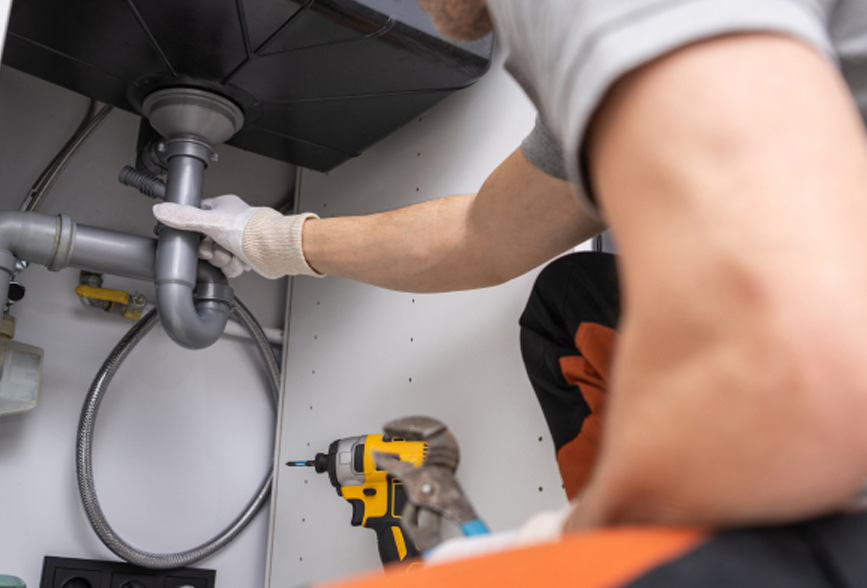
A properly functioning drainage system is essential for maintaining a clean, comfortable, and hygienic environment in residential and commercial properties. Every day, sinks, showers, toilets, kitchen appliances, and other fixtures depend on drainage pipes to carry wastewater away safely. When these pipes become blocked or restricted, everyday activities can quickly become inconvenient. Slow water movement, unpleasant odors, overflowing fixtures, and unexpected leaks are common signs that the drainage system requires attention. Understanding how drainage systems work and how to maintain them can help property owners avoid unnecessary repairs and protect their buildings from water damage. Drain cleaning is an important part of property maintenance because it helps remove accumulated waste, grease, soap residue, hair, and other materials that interfere with normal water flow. Although many drainage problems develop gradually, ignoring early warning signs can lead to more serious blockages and expensive repairs. Regular maintenance keeps pipes functioning efficiently while reducing the chances of unpleasant odors and wastewater backups. By adopting responsible disposal habits and arranging professional inspections when necessary, property owners can maintain healthier drainage systems and improve the overall condition of their properties.
Understanding How Drainage Systems Work
Drainage systems are designed to transport wastewater from different fixtures toward the appropriate sewer or disposal connection. They contain multiple components, including drain openings, connecting pipes, traps, ventilation lines, and main drainage channels. Each component performs a specific function that helps wastewater move safely and efficiently through the building. Proper pipe installation, suitable gradients, and adequate ventilation are essential for preventing recurring blockages and maintaining consistent drainage performance. A drainage network must handle different types of waste produced during everyday activities. Kitchen sinks receive food particles and cooking residue, while bathroom drains collect hair, soap, and personal care products. Toilets carry waste through larger drainage pipes, making their maintenance particularly important for household hygiene. Understanding how different materials affect the drainage network helps property owners develop better cleaning habits and recognize which problems require professional attention.
Common Causes of Blocked Drains
Grease and cooking oil are among the leading causes of kitchen drainage problems. When warm grease enters a pipe, it may initially flow with water but gradually cool and stick to the internal pipe surface. Over time, additional food particles and other debris attach to this sticky layer, creating a blockage that becomes increasingly difficult to remove. Pouring grease into a separate container instead of washing it down the sink is a simple way to reduce this problem. Hair and soap residue commonly contribute to blockages in bathroom drainage systems. During showers and bathing, loose hair can collect around drain covers and gradually move into connecting pipes. Soap residue combines with minerals and other debris, creating deposits that restrict water movement. Installing suitable drain screens and removing collected hair regularly can help prevent these materials from building up inside the drainage network. Foreign objects can also create serious drainage problems, especially when unsuitable materials are flushed into toilets or washed down sinks. Wet wipes, sanitary products, paper towels, cotton products, and excessive amounts of tissue may become trapped inside pipes. Some products are advertised as flushable but may not break down quickly enough to pass through certain drainage systems. Responsible disposal practices are therefore important for protecting pipes and avoiding unnecessary blockages.
Warning Signs That Your Drains Need Attention
Slow drainage is often one of the earliest indications of a developing blockage. If water takes longer than usual to disappear from a sink, bathtub, or shower, debris may already be collecting inside the connecting pipes. Although a single slow drain may indicate a localized problem, several slow fixtures could suggest an issue within a shared drainage line. Paying attention to these changes makes it easier to investigate problems before they become more serious. Unpleasant odors coming from drain openings can also indicate accumulated organic waste, grease, or residue inside the pipes. These materials may produce unpleasant smells as they decompose, particularly when drainage areas are not cleaned regularly. Bubbling sounds, unusual gurgling, and water rising in unexpected fixtures are additional warning signs that should not be ignored. If these symptoms continue, a professional inspection can help identify the source of the problem.
Benefits of Regular Drainage Maintenance
Regular drain cleaning helps maintain consistent water flow by removing materials that gradually accumulate inside drainage pipes. When grease, hair, soap residue, and other debris are allowed to remain inside the system, they can create increasingly narrow passages for wastewater. Removing these deposits helps reduce the likelihood of sudden blockages and makes everyday activities more convenient. A properly maintained drainage system also reduces the chances of wastewater backing up into sinks, showers, and other fixtures. Another important benefit of maintenance is improved hygiene. Blocked drains can create unpleasant odors, encourage the accumulation of contaminated water, and contribute to unsanitary conditions around bathrooms and kitchens. Keeping drainage openings and accessible pipes clean helps reduce these concerns and supports a healthier indoor environment. Property owners can also avoid certain emergency repair expenses by addressing small drainage issues before they develop into larger problems.
Effective Methods for Cleaning Drainage Systems
Several methods can be used to remove common drainage obstructions, depending on the location and severity of the blockage. Simple mechanical tools, such as plungers, are often useful for clearing minor obstructions in sinks, toilets, and other suitable fixtures. A plunger creates pressure that can loosen debris and help restore normal water movement. Using the correct technique is important because excessive force may damage certain fixtures or connections. Drain snakes and manual augers are useful tools for reaching blockages located deeper inside pipes. These devices contain a flexible cable that moves through the drainage line and helps break apart or retrieve accumulated debris. They can be particularly effective when hair, compacted waste, or other solid materials are responsible for the obstruction. However, using these tools incorrectly may scratch pipe interiors or damage delicate connections, so professional assistance is recommended when the blockage is difficult to reach. Hot water may help loosen certain greasy deposits in suitable kitchen drainage systems, although it is not an appropriate solution for every pipe material or blockage. Property owners should avoid pouring boiling water into fixtures connected to pipes or fittings that may be damaged by extreme temperatures. Similarly, mixing different household cleaning chemicals can create dangerous reactions. It is always important to follow product instructions and choose cleaning methods that are compatible with the existing drainage installation.
Professional Services and Advanced Equipment
Professional technicians use specialized equipment to identify and remove stubborn drainage blockages. Depending on the condition of the system, they may use mechanical augers, inspection cameras, pressure-based equipment, or other suitable tools. These methods allow technicians to investigate deeper sections of the drainage network without immediately requiring extensive excavation or pipe replacement. Selecting the correct method depends on the type of obstruction, pipe material, and overall condition of the system. Professional drain cleaning services can also help identify problems that ordinary household tools cannot resolve. For example, repeated blockages may result from damaged pipes, tree root intrusion, incorrect installation, or significant internal buildup. A professional inspection helps determine whether the problem is caused by removable debris or a more serious structural issue. Addressing the actual cause is essential for achieving a lasting solution instead of repeatedly dealing with the same symptoms.
Preventing Kitchen Drain Blockages
Kitchen drainage systems receive a wide range of materials during food preparation and cleaning activities. Small food particles, cooking grease, coffee grounds, and soap residue can gradually collect inside pipes and contribute to restricted water flow. Using a sink strainer is a practical way to prevent larger food particles from entering the drainage network. Property owners should also dispose of cooking oils and grease in appropriate containers instead of washing them into the sink. Cleaning kitchen fixtures regularly can help reduce the accumulation of residue around drain openings and connecting components. It is also useful to wipe greasy cookware with disposable paper before washing it, as this reduces the amount of oil entering the drainage system. Dishwashers should be maintained according to their manufacturer’s instructions, and their drainage connections should be inspected if water begins collecting inside the appliance. These simple habits can significantly reduce common kitchen drainage concerns.
Maintaining Bathroom Drains Properly
Bathroom drains require regular attention because they frequently collect hair, soap residue, shampoo, conditioner, and other personal care products. Shower drains are particularly vulnerable because hair can become trapped around covers and gradually enter the connecting pipes. Removing visible debris after bathing and installing suitable protective screens can help prevent unnecessary accumulation. These preventive steps are inexpensive and can reduce the likelihood of recurring drainage problems. Bathroom sinks and bathtubs should also be inspected periodically for signs of restricted water flow. Soap deposits and mineral buildup may gradually affect the internal surfaces of pipes, especially in areas with hard water. Cleaning accessible drain covers and maintaining suitable water flow can help keep these fixtures working properly. If several bathroom fixtures begin draining slowly at the same time, the issue may involve a shared pipe rather than individual drain openings.
The Importance of Proper Drainage Inspections
Drainage inspections help identify potential problems before they result in significant inconvenience or property damage. Experienced technicians can examine accessible pipe sections, check connections, and evaluate whether wastewater is moving through the system correctly. In more complicated cases, specialized inspection cameras can provide a clear view of internal pipe conditions. This technology helps locate blockages, cracks, corrosion, and other defects without unnecessarily disturbing floors or walls. A proper drain cleaning inspection should consider both the visible symptoms and the underlying condition of the drainage network. Removing an obstruction may restore water flow temporarily, but it will not solve problems caused by damaged pipes or incorrect installation. Technicians should explain their findings and recommend suitable repairs based on the actual condition of the system. This approach helps property owners make informed decisions and avoid spending money on ineffective temporary solutions.
Commercial Drainage Maintenance
Commercial buildings often have more demanding drainage requirements than ordinary residential properties. Restaurants, hotels, offices, retail facilities, and industrial buildings may experience substantial wastewater volumes throughout the day. Restaurants are especially vulnerable to grease accumulation because food preparation and dishwashing activities introduce oils and food residue into drainage systems. Without suitable maintenance, these materials can contribute to serious blockages and disrupt normal business operations. Businesses can benefit from establishing a regular drainage maintenance schedule based on their building layout and daily usage. Kitchen grease management, bathroom inspections, floor drain maintenance, and periodic professional servicing can help reduce unexpected problems. Keeping maintenance records also makes it easier to identify recurring issues and plan necessary improvements. A well-maintained drainage network supports hygiene standards, protects building facilities, and helps businesses operate without avoidable interruptions.
Protecting Pipes and Avoiding Chemical Damage
Many property owners rely on strong chemical products when dealing with blocked drains, but these products are not suitable for every situation. Some chemical cleaners can damage certain pipe materials, affect seals, or create dangerous fumes when used incorrectly. Mixing products containing different active ingredients may also produce harmful chemical reactions. For these reasons, property owners should carefully follow safety instructions and avoid experimenting with multiple cleaning solutions. Mechanical cleaning methods and professional assessments are often more suitable for persistent obstructions. A technician can select an appropriate cleaning technique according to the pipe material and the nature of the blockage. This helps reduce the risk of damaging the drainage network while addressing the actual source of the problem. Protecting existing pipes is particularly important in older buildings where replacement work may require considerable time and expense.
Modern Technology in Drainage Maintenance
Modern technology has improved the way drainage systems are inspected, maintained, and repaired. High-resolution drain cameras allow technicians to examine internal pipe surfaces and identify obstructions, cracks, root intrusion, and other problems. These inspections provide useful information about the location and condition of damaged sections, helping professionals choose the most appropriate repair method. Camera inspections can also reduce unnecessary digging and make complicated maintenance work more efficient. Advanced water jetting equipment is another technology used for certain drainage applications. It uses controlled high-pressure water to remove grease, sludge, and other deposits from suitable pipes. When performed by trained professionals, this method can help restore internal pipe surfaces and improve water movement. However, the pressure and equipment must be selected carefully because unsuitable techniques can damage weakened or fragile pipes.
Choosing a Reliable Drainage Service Provider
Selecting an experienced service provider is important when dealing with recurring or complicated drainage problems. Property owners should consider professional experience, available equipment, customer feedback, insurance coverage, and relevant qualifications. A reliable technician should explain the cause of the problem, describe the proposed cleaning method, and provide a clear estimate before starting significant work. Transparent communication helps customers understand what is required and what results they can reasonably expect. It is also helpful to ask whether the service includes an inspection of the affected pipe section and whether recommendations will be provided for preventing future blockages. Professionals should be willing to explain the advantages and limitations of different cleaning methods. Comparing estimates from several providers can help property owners evaluate their options, but service quality and technical expertise should remain important considerations. Choosing the right professional can help prevent repeated problems and protect the long-term condition of the drainage system.
Conclusion
A clean and properly maintained drainage system plays an important role in protecting property hygiene, convenience, and structural condition. From removing accumulated grease and hair to identifying deeper pipe problems, regular maintenance helps prevent many common drainage concerns. Property owners who recognize early warning signs and adopt responsible disposal habits can reduce the likelihood of unexpected blockages and avoid unnecessary repair expenses. Professional inspections, suitable cleaning methods, and modern equipment can make a significant difference when dealing with persistent drainage problems. Whether maintaining a residential kitchen, managing commercial facilities, or addressing recurring pipe obstructions, taking preventive action is always a practical approach. By making drain maintenance part of a regular property care routine and seeking professional assistance when necessary, property owners can support reliable drainage performance and maintain a cleaner, healthier environment.

