


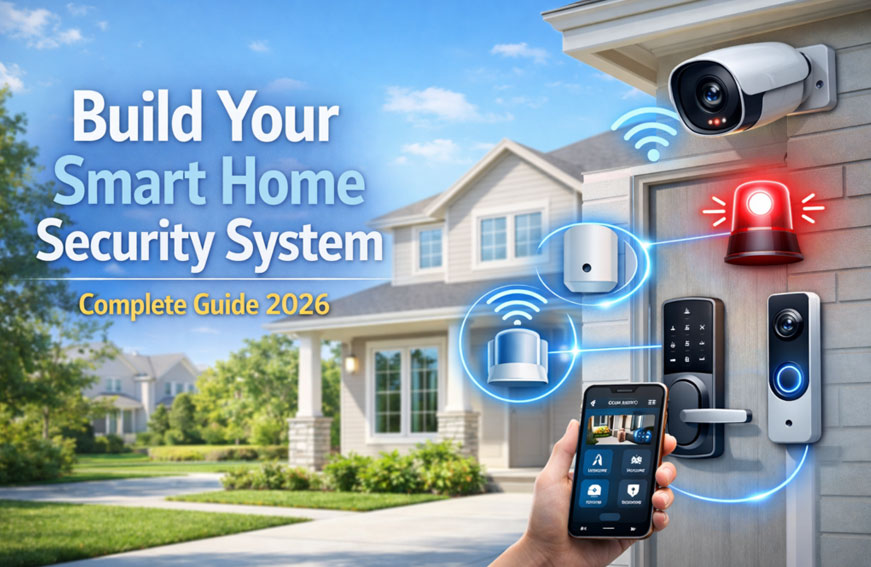
Home security has become an important consideration for homeowners who want greater awareness, control, and protection across their properties. Modern security technology has developed beyond traditional locks and basic alarm systems, offering connected solutions that can include surveillance cameras, motion sensors, smart access control, monitoring technology, connected lighting, and network-based devices. These systems can provide homeowners with more information about activity around their property while making security functions easier to manage. However, effective protection depends on more than simply purchasing individual devices. Equipment needs to be selected according to the property’s layout, installed in appropriate locations, connected through dependable infrastructure, and configured so that the different components can work together. A professionally planned home security system can therefore provide a more organized approach to monitoring entrances, outdoor areas, interior spaces, and other important parts of a property while supporting the convenience of modern connected technology.
Understanding Modern Security Technology
Modern security systems can combine several technologies to create a more comprehensive approach to property protection. Cameras can provide visual awareness around important areas, while motion sensors and other detection devices can help identify activity that may require attention. Smart locks and access control systems can provide additional options for managing entry, while connected alerts can help homeowners stay informed about events occurring on the property. The specific combination of equipment should depend on the home’s layout, the number of entrances, outdoor spaces, household routines, and individual security requirements. Installing technology without considering these factors can result in blind spots, unnecessary equipment, or systems that are difficult to manage. Professional planning can help ensure that security technology is positioned and configured with the property’s actual needs in mind.
Security Cameras and Property Visibility
Security cameras are one of the most recognizable components of a modern security system because they can provide visual information about activity around a property. Cameras may be positioned near front and rear entrances, driveways, garages, walkways, exterior areas, or other locations where visibility is important. Interior cameras may also be appropriate in certain situations, depending on household preferences and privacy considerations. Camera placement should be carefully planned because simply installing a large number of cameras does not necessarily create better coverage. The field of view, lighting conditions, mounting position, network connection, and areas that need monitoring should all be considered during installation. Properly configured cameras can provide homeowners with a clearer understanding of activity around their property and can become an important part of a broader connected security system.
Motion Detection and Smart Sensors
Security cameras can provide visual information, but sensors can add another layer of awareness by detecting specific types of activity. Motion sensors can help identify movement in selected areas, while door and window sensors can indicate when an entry point has been opened. Other connected sensors may be used according to the needs of the property and the capabilities of the selected security system. The effectiveness of sensors depends heavily on proper placement and configuration. A sensor that is positioned incorrectly may produce unnecessary alerts or fail to provide useful coverage. Professional installation can help determine where detection devices should be located and how they should interact with other security components. When sensors, cameras, and alerts are properly coordinated, homeowners can have a more organized system for understanding activity around their property.
Smart Access Control for Better Entry Management
Access control is another important part of modern security technology, particularly for properties where homeowners want greater control over who can enter. Traditional keys can provide basic access, but connected locks and electronic access systems can offer additional management options. Depending on the system, homeowners may be able to control access for family members, service providers, guests, or other authorized individuals. Access control can also be integrated with other security and automation technologies to create a more coordinated environment. For example, entry management may work alongside surveillance cameras or other connected systems so that homeowners can better understand activity at important access points. Professional installation is valuable because access systems need to be selected and configured according to the property’s doors, entry patterns, network infrastructure, and security requirements.
The Importance of Reliable Networking
A modern security system often depends on a reliable network because cameras, sensors, smart locks, monitoring devices, and other connected equipment may communicate through wired or wireless infrastructure. If the network has weak coverage or insufficient capacity, connected security devices may not perform as expected. This makes residential networking an important part of the overall security planning process. Larger homes, multi-level properties, detached structures, and properties with many connected devices may require additional network planning to provide consistent connectivity. Wired connections may be appropriate for certain security equipment, while strategically positioned wireless access points can help provide coverage for compatible devices. Bandera Networks provides residential network services involving Wi-Fi coverage, speed, reliability, mesh networking, and secure configurations, making network infrastructure an important component of its technology solutions.
Integrating Security With Home Automation
Security can become even more useful when it is integrated with other smart home technologies. Connected lighting, climate controls, access systems, and security equipment can work together when the selected technologies are compatible and properly configured. For example, lighting can be incorporated into certain security routines, while access events may interact with connected systems. The purpose of integration is not to make the system unnecessarily complicated but to make everyday management more convenient and coordinated. Homeowners can benefit from having security controls and automation functions organized within a system that is easier to understand and manage. A professional technology provider can evaluate the existing infrastructure and determine which systems can work together effectively without creating unnecessary complexity.
Protecting Entry Points
Doors and windows are important areas to consider when planning security because they provide access into the property. Front doors, rear doors, garage entrances, basement doors, and accessible windows may all have different security requirements depending on the home’s design. Smart locks, door sensors, cameras, and other technologies can be used to improve awareness and control around these areas. However, security planning should also consider physical conditions such as door construction, lighting, visibility, and surrounding landscaping. Technology works best when it complements basic physical security practices rather than attempting to replace them. A comprehensive approach can combine secure entry points with appropriate monitoring and connected technology to create a more organized security environment.
Using Technology Around Outdoor Areas
Outdoor spaces can present unique security considerations because large areas may be difficult to monitor with a single device. Driveways, garages, side entrances, walkways, patios, and other exterior areas may require different camera angles or sensor configurations. Lighting conditions can also affect camera performance, especially at night. Professional installation can help determine appropriate equipment locations and angles while considering network connectivity and environmental conditions. Outdoor security equipment should be selected for its intended environment and installed according to manufacturer requirements. Proper placement can reduce blind spots and improve the usefulness of surveillance equipment without requiring unnecessary devices throughout the property.
Security for Different Property Requirements
Every property has different security requirements, so there is no single configuration that works equally well for every homeowner. A smaller residence may need a straightforward combination of cameras, sensors, smart locks, and reliable Wi-Fi, while a larger property may require multiple access points, extensive surveillance coverage, structured cabling, and more advanced access control. Multifamily properties may require systems that support multiple residents, common areas, property managers, and controlled access points. Commercial properties can have additional requirements involving business Wi-Fi, surveillance, employee access, and structured technology infrastructure. Bandera Networks provides solutions for residential and commercial environments, allowing technology planning to be based on the particular needs and layout of the property rather than relying on a standard package.
Structured Cabling and Security Infrastructure
Wireless technology can provide flexibility, but structured cabling remains valuable for many security installations. Cameras and networking equipment that support wired connections can benefit from stable infrastructure, particularly in locations where consistent communication is important. Structured cabling can also help keep technology installations organized and make future maintenance easier. During construction or renovation, installing appropriate cabling before walls are closed can provide opportunities for future security expansion without requiring disruptive work later. Organized cabling can connect networking equipment, surveillance systems, access points, and other technology while helping create a more dependable foundation for connected security. Bandera Networks offers structured cabling services as part of its broader technology solutions, supporting properties that require reliable infrastructure for networking and security systems.
Monitoring and Security Awareness
A major advantage of connected security technology is the ability to improve awareness of activity around a property. Depending on the system, homeowners may receive alerts or access information from cameras, sensors, or other connected equipment. This can make it easier to identify unusual activity and respond appropriately. However, homeowners should understand what their system can and cannot monitor and configure alerts according to their actual needs. Too many unnecessary notifications can make important events harder to recognize, while insufficient coverage can leave important areas unmonitored. Professional configuration can help create a practical balance by focusing equipment and alerts on areas that are most relevant to the property’s security requirements.
Choosing the Right Security Equipment
Selecting security equipment should involve more than comparing individual product features. Homeowners should consider how cameras, sensors, locks, network equipment, and monitoring systems will work together. Compatibility is particularly important when multiple technologies are being integrated because devices from unrelated platforms may have limited communication capabilities. Network requirements, storage options, power sources, installation locations, environmental conditions, and future expansion should also be considered. A professional assessment can help identify the equipment that is appropriate for the property instead of encouraging homeowners to purchase devices that may not integrate effectively. This approach can also reduce unnecessary expenses by focusing investment on areas where security improvements provide practical value.
Professional Installation and Configuration
Professional installation can make a significant difference when a security system involves multiple connected technologies. Cameras need to be positioned carefully, sensors must be configured correctly, network equipment should provide dependable connectivity, and access control components need to be installed according to the property’s requirements. After installation, systems should be tested to confirm that devices communicate correctly and that homeowners understand how to use the controls. Bandera Networks describes its technology process as including consultation and site assessment, professional installation, testing, optimization, and ongoing support. This type of process can help identify technical issues before they become everyday problems and can provide homeowners with a clearer understanding of how their connected security system operates.
Planning for Future Security Improvements
Security requirements can change over time as properties, households, and technology evolve. Homeowners may later decide to add cameras, improve network coverage, install smart locks, expand outdoor surveillance, or integrate additional automation features. A system designed with future expansion in mind can make these improvements easier. Structured cabling, sufficient network capacity, organized equipment placement, and compatible technology can provide a foundation for future upgrades. Planning ahead does not mean installing every possible security device immediately. Instead, it means creating infrastructure that can accommodate reasonable additions without requiring the entire system to be redesigned.
Maintaining a Connected Security System
Regular maintenance is important for keeping security technology dependable. Cameras should be checked periodically to ensure that their views remain unobstructed, while sensors and access devices should be tested to confirm that they continue functioning correctly. Network equipment and connected devices may also require software or firmware updates. Homeowners should review their system from time to time to determine whether the current configuration still matches the property’s needs. Landscaping changes, renovations, new entrances, additional household members, or newly installed technology can all affect security requirements. Keeping records of equipment, configurations, warranties, and installation details can also make future maintenance and troubleshooting more efficient.
Creating a Comprehensive Security Strategy
Effective security is usually the result of several complementary measures working together rather than relying on one device. Strong physical entry points, appropriate locks, reliable networking, surveillance cameras, sensors, access control, adequate lighting, and responsible technology management can all contribute to a more organized security strategy. Connected technology can improve convenience and awareness, but it should be planned according to the actual property rather than installed simply because a particular device is popular. Professional consultation from a home security provider can help homeowners identify areas that require attention and determine how different technologies can support one another. This approach creates a security environment that is easier to manage and more adaptable as household needs change.
Conclusion
Modern security technology provides homeowners with more options for monitoring, managing, and protecting their properties than traditional systems alone. Cameras, sensors, smart locks, access control, reliable networking, structured cabling, and automation can be combined to create a connected security environment that supports greater awareness and convenience. The effectiveness of such a system depends on appropriate equipment selection, professional installation, proper configuration, dependable infrastructure, and regular maintenance. Bandera Networks offers technology solutions that include home security, home automation, residential networking, access control, structured cabling, business Wi-Fi, commercial security, and smart apartment services, allowing different technology requirements to be addressed through an integrated approach. By planning security around the property’s layout, household routines, current technology, and future needs, homeowners can create a system that remains practical and adaptable while making connected security a useful part of everyday property management.

