


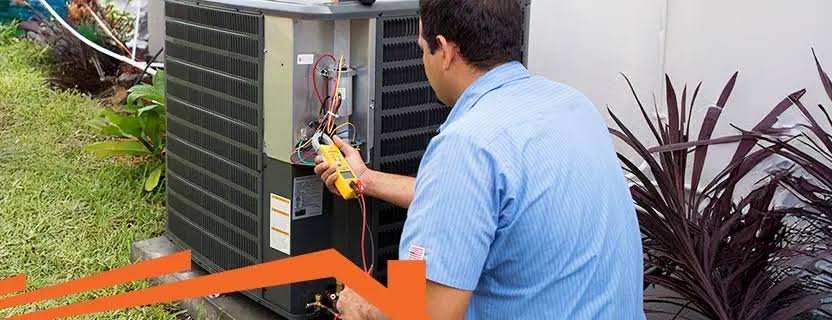
In the Valley, air conditioners work through triple-digit afternoons, dusty winds, and attic spaces that feel like ovens. That combination pushes every component, from the outdoor condenser coil to the indoor evaporator coil and blower motor. When performance starts to slip, small clues often appear days or weeks before a midsummer shutdown. Recognizing them early, doing a few safe checks, and knowing what those symptoms imply can help you avoid damage and shorten any service visit. This guide focuses on Scottsdale-specific conditions, common failure points, and what homeowners can assess without opening sealed refrigerant circuits or risking shock.
-
Early Warning Signs Your Scottsdale AC Is Slipping
Longer run times on 105 degree afternoons, warmer air at the supply registers, or a thermostat that hovers a few degrees above setpoint all signal trouble. Short cycling, where the system starts and stops every few minutes, points to a different problem than steady but weak cooling. Musty odors from vents may come from a condensate drain issue rather than duct leaks, and water near the air handler suggests a clogged drain line or tripped float switch. If you spot ice on the larger insulated refrigerant line outside, turn the system off to prevent compressor damage and let it thaw completely before further evaluation or AC repair in Scottsdale.
Other red flags in our climate include a breaker that trips on the first hot push of the day, an outdoor fan running while the compressor sits silent, or a rattling blower wheel that ramps down unexpectedly. A post-monsoon uptick in indoor humidity, even with the system cooling, can show the coil is flooding with moisture because of restricted airflow. A realistic scenario: at 4 p.m., the living room never dips below 80, supply air feels only mildly cool, and the outdoor unit runs nonstop. That pattern usually reflects a system that is working too hard because something is choking heat transfer or airflow.
-
What Those Clues Often Mean Inside the System
Warm air and marathon runtimes often point to a dirty condenser coil that cannot shed heat, especially after a dust storm. Packed fins drive high head pressure and raise compressor temperatures, which can trip internal overloads. A low refrigerant charge from a small leak can mimic those symptoms, but professionals confirm it with gauges and temperature measurements at the evaporator coil. On the indoor side, a matted return filter or a felted evaporator coil slashes airflow, lowering coil temperature and undermining both cooling capacity and dehumidification.
Short cycling that includes clicking at the outdoor unit often points to a weak run capacitor or pitted contactor. Ice on the suction line or a frosty evaporator coil almost always means low airflow from a clogged filter, a seized blower motor, or an over-restricted duct, though a low charge can also freeze a coil. Water around the air handler usually traces to a clogged condensate drain line. Many attic installs include a float switch that shuts the system off when the drain pan fills; that safety device is doing its job, but the root cause is sludge or debris in the drain. Repeated breaker trips can indicate a compressor struggling under extreme head pressure on a fouled coil.
-
A Safe At-Home Check Sequence Before You Call
Start at the thermostat: confirm Cool mode, a reasonable setpoint, and Fan set to Auto, not On. Next, inspect the return air filter. If it is visibly gray, collapsed, or months old, replace it and ensure the arrows point toward the air handler. In older homes with a single return, an overly restrictive high MERV filter can spike static pressure and starve the blower; step down to a mid-range filter if airflow improves. Make sure all supply registers and return grilles are open and unobstructed by furniture or rugs.
Move outside and verify at least two feet of clear space around the condenser. With power off at the disconnect, rinse the coil gently with a garden hose from the inside out. Avoid pressure washers, which bend fins and reduce heat transfer. Check the breaker panel; if a breaker tripped, don’t reset it repeatedly. Look for ice on the larger insulated line; if present, shut the system off and allow several hours for thawing before restarting. In the attic or closet, confirm the condensate drain is not overflowing and that any float switch is seated. Stop before opening panels or touching wiring, and never loosen refrigerant fittings.
-
How Desert Heat, Dust, and Attics Change the Diagnosis
Scottsdale’s conditions skew both symptoms and causes. High ambient temperatures push condenser pressures up, so a coil that looks only mildly dirty in spring can cause high amp compressor draw by July. Dust storms pack fins and screens, while palm seeds and leaves block fan discharge, all of which raise head pressure and risk thermal overload. Attic installs face 130-plus-degree air around the air handler and ducts; any return restriction or leaky supply can cascade into low airflow and an iced coil. Rooftop package units bake in direct sun and collect windblown grit, so their condensers clog faster than ground sets. After a storm, it is common to find a rooftop unit coated in dust and debris, explaining a sudden loss of capacity even when the thermostat and filter are fine.
Repair Now or Plan Replacement? Deciding With Evidence
Some issues are single fault repairs: a failed capacitor, a clogged condensate line, or a contactor with burned points. Recurrent symptoms point toward broader wear. If the system is older and uses a discontinued refrigerant, topping off a chronic leak becomes less practical than addressing the leak or replacing the coil. Frequent freeze-ups caused by undersized returns or pinched ducts are airflow problems, not just refrigeration problems, and justify a static pressure and duct evaluation. A noisy, overheating compressor after coil cleaning suggests deeper mechanical fatigue. Balance any quote for repeated fixes against age, efficiency, and comfort: a proper load calculation, condenser coil condition, and blower performance data will make that trade-off clearer than basing it on a single hot-day complaint.
Fast action in Scottsdale’s heat is less about panic and more about pattern recognition. When you notice warmer supply air, longer cycles, ice on the suction line, or water near the air handler, do the safe checks: thermostat settings, filter, condensate drain, condenser cleanliness, and breaker status. Then call a licensed technician who will verify refrigerant charge with superheat and subcooling, test capacitor microfarads, measure static pressure, and inspect both coils. Early reporting limits collateral damage, shortens downtime, and often keeps a simple problem from turning into a compressor failure a week later. In a climate this tough, that is the most practical way to stay cool through the peak season.

