


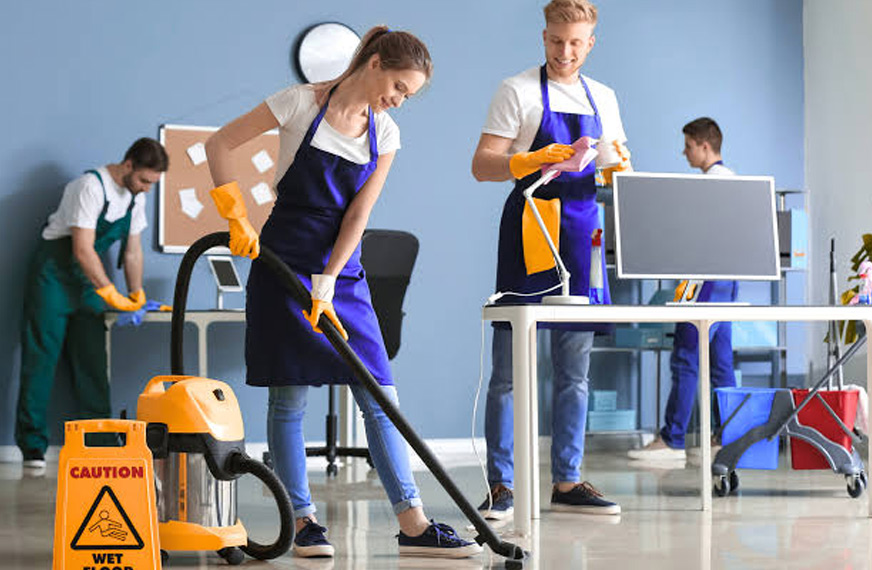
Maintaining a clean and organized workplace is an important responsibility for businesses of every size. Employees spend a significant portion of their day inside professional environments, while customers, visitors, contractors, and business partners may also regularly enter the premises. Dust, dirt, clutter, stains, waste, and poorly maintained facilities can affect the overall appearance and comfort of a workplace. Janitorial Services provide businesses with a structured way to manage routine cleaning and maintenance requirements without placing the entire responsibility on employees. A reliable cleaning strategy can help maintain offices, common areas, restrooms, kitchens, floors, meeting rooms, and other facilities while allowing employees to focus on their primary responsibilities.
Understanding Workplace Cleaning Requirements
Every workplace has its own cleaning requirements based on factors such as building size, number of employees, operating hours, floor layout, facilities, and daily foot traffic. A small office with limited shared areas may require a relatively simple cleaning schedule, while a larger workplace with multiple departments and common facilities may need more frequent and detailed maintenance. Janitorial Services can be designed around the actual requirements of a business instead of applying the same schedule to every environment. Understanding which areas receive the most use helps businesses determine where cleaning should occur more frequently and which tasks can be scheduled periodically.
Defining Clear Cleaning Standards
Before selecting a cleaning provider, businesses should establish clear expectations about what they want the cleaning program to accomplish. These expectations may include maintaining floors, emptying waste bins, cleaning restrooms, dusting surfaces, maintaining kitchens, vacuuming carpets, and keeping shared areas organized. Clear standards make it easier to communicate responsibilities and evaluate whether the service is meeting expectations. Janitorial Services can be more effective when the scope of work is clearly documented and both the business and cleaning provider understand what is included. Written cleaning requirements can also reduce misunderstandings and provide a useful reference when schedules or workplace needs change.
Creating a Professional Workplace Appearance
A clean workplace can contribute to a professional image by ensuring that employees and visitors encounter an environment that appears organized and properly maintained. Reception areas, entrances, waiting rooms, meeting spaces, and conference rooms are particularly important because they are often among the first areas visitors see. Dusty furniture, dirty floors, overflowing bins, and cluttered surfaces can make a workplace appear neglected. Janitorial Services can help businesses maintain these visible areas consistently and ensure that they remain presentable throughout the working week. A professional environment can support a company’s overall image while also providing employees with surroundings that are more comfortable and organized.
Supporting Employee Comfort and Productivity
The condition of a workplace can influence the daily experience of employees. Dust, clutter, food waste, unpleasant odors, and dirty shared facilities may create distractions and make employees feel less comfortable during working hours. Maintaining a clean environment does not solve every workplace challenge, but it can remove some unnecessary sources of discomfort. Janitorial Services can provide regular attention to work areas, shared spaces, restrooms, kitchens, and floors so employees are not required to handle routine maintenance themselves. When employees can work in a clean and organized environment, they may find it easier to concentrate on their responsibilities and maintain a professional atmosphere throughout the day.
Maintaining Workstations and Office Furniture
Workstations can accumulate dust, paperwork, food packaging, cups, and other items during busy working days. Employees should generally keep personal belongings organized, while professional cleaning teams can handle appropriate maintenance of accessible surfaces and surrounding areas. Desks, chairs, cabinets, floors, and other workplace furniture may require different cleaning methods depending on their materials. Janitorial Services can help maintain these areas according to established workplace standards while reducing the amount of time employees need to spend on routine cleaning tasks. Regular maintenance can also help protect office furniture from unnecessary buildup of dust, dirt, and stains.
Caring for Shared Workspaces
Shared spaces such as conference rooms, meeting rooms, lounges, break areas, and collaborative workspaces can become untidy quickly because they are used by many people. Employees may eat, drink, hold meetings, move chairs, use shared equipment, or leave materials behind after completing activities. These areas therefore require regular attention to remain ready for the next group of employees or visitors. Janitorial Services can help maintain tables, chairs, floors, surfaces, and other shared facilities according to their frequency of use. Consistent maintenance also reduces the possibility that employees will need to clean common areas themselves before using them for meetings or collaborative work.
Maintaining Restrooms Properly
Workplace restrooms require frequent and thorough maintenance because they are used regularly throughout the working day. Toilets, sinks, faucets, mirrors, floors, dispensers, and other fixtures should be cleaned according to an appropriate schedule. Essential supplies such as soap, paper products, and hand-drying materials should also be checked and replenished as needed. Janitorial Services can include restroom maintenance as a defined part of the cleaning program, ensuring that these facilities receive sufficient attention. Clean and properly supplied restrooms can improve workplace comfort and help businesses maintain appropriate standards for both employees and visitors.
Keeping Kitchens and Break Areas Clean
Kitchen and break areas can become messy quickly because employees use them for meals, snacks, beverages, and food storage. Crumbs, spills, stains, packaging, and waste can accumulate on tables, countertops, floors, refrigerators, microwaves, and other surfaces. Employees should be encouraged to clean up after themselves and dispose of food waste properly, while professional cleaners can handle routine and deeper maintenance tasks. Janitorial Services can help maintain these shared facilities according to the amount of traffic and daily activity they receive. Keeping kitchens and break areas clean can make employee rest periods more comfortable while helping prevent unpleasant odors and unnecessary buildup.
Managing Floors and Carpets
Floors are among the most heavily used parts of a workplace, making regular maintenance essential. Employees and visitors can bring dirt and debris into a building throughout the day, while carpets can collect dust and particles over time. Different flooring materials require different cleaning techniques, and inappropriate products or equipment may damage certain surfaces. Janitorial Services can use suitable methods based on whether the workplace contains carpet, tile, wood, vinyl, or other flooring materials. Regular vacuuming, mopping, spot treatment, and periodic deep cleaning can help preserve the appearance and condition of floors while preventing dirt from becoming increasingly difficult to remove.
Managing Workplace Waste
Effective waste management is an important part of maintaining an organized workplace. Bins in kitchens, offices, meeting rooms, restrooms, and common areas can fill quickly, especially in workplaces with large numbers of employees. Overflowing bins can create unpleasant odors and make otherwise clean areas appear untidy. Janitorial Services can include regular waste collection, replacement of bin liners, and appropriate handling of recyclable materials where applicable. Establishing a reliable waste management routine helps ensure that waste is removed before it becomes a visible or operational problem. Businesses can also encourage employees to use designated waste and recycling containers correctly.
Paying Attention to High-Touch Areas
Certain surfaces receive frequent contact from employees and visitors and may require additional attention during routine maintenance. Door handles, light switches, railings, shared tables, appliance handles, phones, and other frequently touched surfaces can accumulate dirt throughout the day. A comprehensive cleaning schedule should identify these areas instead of focusing only on visibly dirty floors or surfaces. Janitorial Services can include high-use areas as part of regular cleaning tasks while maintaining the surrounding workplace environment. Paying attention to frequently handled surfaces can help businesses create a more comprehensive approach to general workplace cleanliness.
Developing a Consistent Cleaning Schedule
Consistency is one of the most important factors in effective workplace maintenance. Cleaning only when an area becomes visibly dirty can allow dust, waste, stains, and clutter to accumulate between cleaning sessions. Businesses can establish daily, weekly, and periodic tasks based on the size of their premises and level of activity. Janitorial Services can be scheduled around business hours, employee shifts, meetings, customer visits, and other operational requirements. A detailed schedule can identify which tasks need to be completed daily and which activities, such as deeper floor or carpet cleaning, can be performed at longer intervals.
Selecting Appropriate Cleaning Products
Different surfaces require different cleaning products and methods. Furniture, glass, floors, electronic equipment, kitchen surfaces, and restroom fixtures may each require specific approaches. Using inappropriate products can potentially damage materials or reduce the lifespan of workplace assets. Cleaning teams should therefore understand the surfaces they are responsible for and use suitable products according to relevant instructions. Janitorial Services providers with appropriate training and experience can select cleaning methods based on the materials present in the workplace. Responsible product selection also involves proper storage and handling to support safe and effective workplace maintenance.
Using Suitable Cleaning Equipment
Modern cleaning equipment can improve the efficiency and consistency of workplace maintenance. Professional vacuums, floor-cleaning machines, microfiber tools, specialized brushes, and other equipment can be useful for different cleaning requirements. The equipment needed depends on the size of the premises, types of flooring, furniture materials, level of traffic, and cleaning frequency. Janitorial Services providers may use specialized equipment when standard methods are not sufficient for certain surfaces or deeper cleaning requirements. Using appropriate equipment can improve cleaning results and help cleaning teams complete routine tasks more efficiently.
Reducing Disruption During Cleaning
Cleaning schedules should be planned carefully so that maintenance does not unnecessarily interfere with normal business operations. Some tasks can be completed during working hours, while deeper cleaning may be more appropriate before employees arrive or after normal operating hours. Businesses can consider employee shifts, meeting schedules, customer appointments, and other activities when arranging cleaning times. Janitorial Services can often be scheduled around these requirements to reduce disruption while ensuring that important tasks are completed consistently. Effective scheduling allows businesses to maintain cleanliness without creating unnecessary interruptions to employees or visitors.
Encouraging Employee Participation
Professional cleaning teams can handle many maintenance responsibilities, but employees also have an important role in keeping workplaces organized. Businesses can encourage good habits by providing suitable waste bins, storage areas, kitchen facilities, and clear guidelines for shared spaces. Employees can help by cleaning up after meals, disposing of waste correctly, returning shared equipment to its proper location, and avoiding unnecessary clutter. Janitorial Services are generally more effective when professional maintenance is supported by responsible employee behavior. Creating a culture of cleanliness can help preserve the results of scheduled cleaning and make the workplace easier to maintain.
Protecting Workplace Assets
Regular cleaning can help businesses maintain the condition of valuable workplace assets such as furniture, floors, fixtures, equipment, and other facilities. Dust, dirt, moisture, and debris can accumulate over time and contribute to stains, wear, or deterioration if they are not addressed. Cleaning teams may also notice visible maintenance concerns such as damaged flooring, leaks, broken fixtures, or areas affected by moisture. Janitorial Services should therefore be considered part of broader workplace maintenance rather than simply an appearance-related service. Identifying potential issues early can allow businesses to address them before they become larger and potentially more expensive problems.
Evaluating a Cleaning Provider
Choosing a cleaning provider requires careful consideration because businesses need reliable service and consistent standards. Before entering an agreement, organizations should understand the provider’s experience, service scope, cleaning schedule, communication process, pricing structure, and ability to accommodate changing requirements. Businesses should also clarify which tasks are included and whether specialized cleaning activities require separate arrangements. Janitorial Services should be evaluated according to the actual needs of the workplace rather than selecting a provider based solely on price. Clear communication at the beginning of a service relationship can establish realistic expectations and reduce the likelihood of misunderstandings later.
Reviewing Service Quality
Once a cleaning program has been established, businesses should periodically review whether the agreed standards are being maintained. Managers can inspect important areas, collect feedback from employees, and communicate any recurring concerns to the cleaning provider. If certain areas consistently require additional attention, the cleaning schedule may need to be adjusted. Janitorial Services should remain flexible enough to respond to changes in workplace activity, occupancy, facilities, or operating hours. Regular reviews also give businesses an opportunity to recognize effective practices and identify opportunities for improving cleaning efficiency without unnecessarily increasing costs.
Building a Long-Term Maintenance Strategy
A workplace cleaning strategy should not remain unchanged indefinitely because businesses and their facilities can evolve. Employee numbers may increase, office layouts may change, new equipment may be introduced, or additional shared facilities may become available. Each of these changes can influence cleaning requirements and frequency. Janitorial Services can be adjusted to reflect these changes so that the cleaning program continues to meet practical workplace needs. Regularly reviewing the cleaning strategy can help businesses maintain appropriate standards while ensuring that resources are focused on the areas that require the greatest attention.
Final Thoughts
Choosing and managing a reliable cleaning program requires clear expectations, consistent communication, appropriate scheduling, and regular evaluation. Businesses should consider the specific requirements of their workplace and select services that address important areas such as workstations, shared spaces, restrooms, kitchens, floors, waste management, and high-touch surfaces. Janitorial Services can provide valuable professional support by combining trained personnel, appropriate equipment, structured schedules, and specialized cleaning methods. When professional maintenance is supported by responsible employee habits and regular management reviews, businesses can create a cleaner, more organized, and more comfortable workplace. A well-managed cleaning strategy can become an important part of maintaining professional standards and supporting the smooth operation of a business over the long term.

