


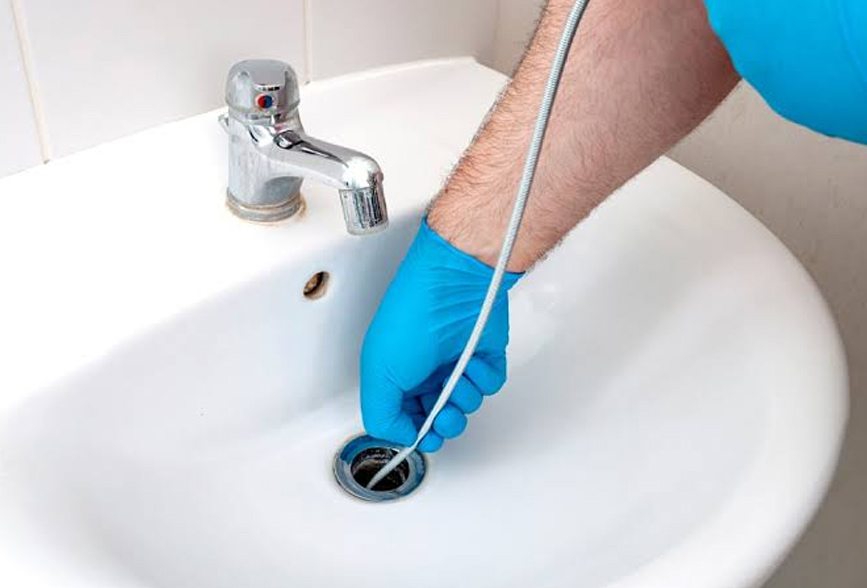
A properly functioning drainage system is an essential part of any comfortable and well-maintained property. Every day, sinks, showers, bathtubs, toilets, and other fixtures depend on drainage pipes to carry wastewater away efficiently. Over time, these pipes can collect hair, grease, soap residue, food particles, mineral deposits, and other debris that restrict normal water flow. When buildup is allowed to continue, a small drainage issue can eventually become a major blockage or cause unpleasant odors and water backups. Understanding how drainage systems work, recognizing early warning signs, and following good maintenance practices can help prevent many common problems and extend the useful life of the entire plumbing system.
Why Proper Drain Maintenance Matters
Drains are used frequently, yet they are often overlooked until something goes wrong. A slow sink or shower may seem like a minor inconvenience, but it can indicate that materials are already accumulating inside the pipe. If the buildup continues, water may eventually stop flowing and begin collecting around the fixture. Regular drain cleaning can help remove accumulated materials before they become difficult obstructions and can support better water flow throughout the system. Preventive care is generally easier and less disruptive than waiting for a complete blockage that requires urgent attention.A well-maintained drainage system can also contribute to better hygiene and comfort. Standing wastewater can create unpleasant smells and provide an environment where bacteria and other unwanted contaminants may develop. Persistent moisture around fixtures can also damage surrounding surfaces if the problem is ignored for an extended period. Keeping drainage lines clear helps wastewater move away from living areas efficiently. Property owners who monitor their drains and respond to early warning signs are more likely to avoid serious problems and unexpected repair expenses.
Common Causes of Drain Blockages
Different areas of a property can experience different types of drainage problems. Kitchen sinks commonly collect grease, cooking oils, food particles, coffee grounds, and other waste that can stick to the interior walls of pipes. Bathroom drains frequently deal with hair, soap residue, shampoo, toothpaste, and personal-care products. Over time, these materials can combine and form dense deposits that restrict water movement. Even when water continues to drain, a gradual reduction in flow can indicate that an obstruction is developing inside the pipe.Mineral deposits can also reduce the internal diameter of drainage pipes over time. Water containing dissolved minerals may leave behind deposits that become increasingly difficult to remove. In underground drainage lines, tree roots can sometimes enter through cracks, loose joints, or damaged sections and create substantial obstructions. Foreign objects can cause another category of blockage, particularly when items that are not designed to pass through drainage pipes are flushed or washed away. Identifying the likely cause of a blockage is important because different types of obstructions may require different solutions.
Early Warning Signs to Watch For
Most drainage problems provide warning signs before they become serious. Slow drainage is one of the most common indicators and should not automatically be dismissed as normal. If a sink, bathtub, or shower takes noticeably longer to empty than it used to, there may be buildup inside the pipe. Gurgling sounds can also indicate that air and water are struggling to pass through a partially restricted line. Unpleasant smells may suggest that organic material or wastewater is collecting somewhere inside the drainage system.Multiple affected fixtures can indicate a more significant issue. If several sinks, showers, or other drains begin operating slowly around the same time, the problem may be located farther along the main drainage line rather than at an individual fixture. Water backing up into a different fixture when another one is used can also be a warning sign. These symptoms should be investigated rather than repeatedly treated with temporary solutions. Early attention can make it easier to identify the source of the problem and reduce the possibility of extensive water damage.
The Benefits of Preventive Cleaning
Regular maintenance is one of the most effective ways to reduce the risk of serious drainage problems. Drain cleaning can remove accumulated debris before it becomes tightly compacted and difficult to clear. This is especially useful for drains that receive heavy daily use or are exposed to materials that commonly cause buildup. Preventive maintenance can help maintain consistent water flow while reducing the likelihood of sudden blockages. It can also give property owners an opportunity to discover developing issues before they become emergencies.Another benefit of preventive maintenance is that it can reduce the need for repeated short-term repairs. When a blockage is removed without addressing the conditions that caused it, the same problem may return relatively quickly. A more thorough approach considers what is entering the drain, where buildup is occurring, and whether there are underlying pipe issues. Consistent maintenance can therefore provide better long-term results than waiting for water flow to become severely restricted. It is an important part of protecting the overall condition of a drainage system.
Protecting Kitchen Drains
Kitchen drains are particularly vulnerable because they are exposed to a combination of food waste, grease, oils, and cleaning materials. Grease and oil can become sticky as they cool and attach themselves to the inside of pipes. Other food particles can then stick to these surfaces, gradually creating a larger obstruction. Pouring grease directly into a sink should therefore be avoided. Instead, unwanted oils should be collected and disposed of appropriately so they do not enter the drainage system.A sink strainer can also provide an inexpensive layer of protection by catching solid food particles before they reach the pipes. The strainer should be emptied and cleaned regularly so trapped debris does not create odors or eventually enter the drain. Food scraps should not be deliberately washed down the sink simply because water is flowing normally. Good disposal habits can significantly reduce the amount of material entering the drainage system. These simple preventive steps can reduce the frequency of blockages and help kitchen plumbing operate more efficiently.
Protecting Bathroom Drains
Bathroom drains frequently encounter hair, soap, shampoo, and other residue that can accumulate over time. Hair is particularly problematic because it can become tangled and combine with soap deposits to create a dense mass inside the pipe. Installing a suitable drain screen can catch much of this material before it enters the drainage system. The screen should be removed and cleaned regularly to prevent collected debris from becoming another source of buildup.Slow water drainage in a shower or bathtub should be addressed rather than ignored. Standing water can make surfaces slippery and uncomfortable while also allowing residue and contaminants to remain around the fixture. If a drain repeatedly becomes slow after being cleared, there may be substantial buildup deeper inside the pipe. In such cases, professional drain cleaning may provide a more thorough solution than repeatedly trying to remove visible debris from the surface. Addressing recurring problems early can help prevent complete blockages and more complicated repairs.
Safe Approaches to Drain Maintenance
Many people attempt to resolve drainage problems using household tools or chemical products. Some basic methods can be useful for minor surface obstructions, but they may not address deeper buildup. Chemical drain products should be handled carefully because certain formulas can be harsh on plumbing materials and may create hazardous conditions if mixed with other substances. Following product instructions is essential, and repeated use should not replace proper investigation when a blockage keeps returning.Mechanical tools can sometimes help with simple obstructions, but using them incorrectly may damage fixtures or pipes. Excessive force can affect connections, seals, or fragile sections of older drainage systems. For this reason, property owners should consider the condition and age of their plumbing before attempting complicated repairs themselves. When a problem is persistent, severe, or located deep within the system, professional assistance is usually the safer and more reliable approach. Proper diagnosis helps ensure that the chosen method matches the actual condition of the drainage line.
Professional Drainage Solutions
Professional drainage specialists have access to equipment that can address problems beyond the reach of basic household tools. Depending on the situation, they may use mechanical equipment, specialized water-based cleaning systems, inspection cameras, or other diagnostic technology. These tools can help identify where an obstruction is located and determine whether there are additional problems inside the pipe. A professional assessment can be particularly useful when a blockage repeatedly returns after temporary clearing.Drain cleaning performed with appropriate equipment can help remove stubborn buildup while supporting the condition of the existing pipe system. The exact method used should depend on the type of obstruction, pipe material, accessibility, and overall condition of the drainage line. Professional technicians can also determine whether the issue is caused by debris alone or whether damaged pipes, root intrusion, or structural problems are contributing to the blockage. Addressing the underlying cause is important for achieving a longer-lasting result.
Dealing With Recurring Blockages
A drain that repeatedly becomes blocked deserves more attention than a drain that experiences an occasional minor obstruction. Recurring problems may indicate that material is accumulating deeper inside the line or that the pipe itself has developed a structural issue. Cracks, poor connections, misaligned sections, root intrusion, and damaged pipe surfaces can all encourage debris to collect. Simply clearing the same blockage again and again may therefore provide only temporary relief.Property owners should pay attention to patterns when drainage problems recur. Keeping track of which fixtures are affected and how frequently problems occur can provide useful information during an inspection. If several fixtures experience issues simultaneously, the obstruction may be associated with a shared drainage line. Professional drain cleaning can help remove accumulated material, but a recurring problem may require additional inspection to determine why the buildup keeps returning. Identifying the root cause can save time and reduce the expense of repeated emergency repairs.
Preventing Future Drain Problems
The best drainage maintenance strategy combines professional care with responsible everyday habits. Property owners should avoid putting grease, oils, large food particles, hair, wipes, and other unsuitable materials into drains. Using strainers and screens can provide additional protection, while regular visual checks can reveal early signs of trouble. It is also useful to pay attention to changes in drainage speed and unusual odors. These simple observations can provide valuable information about the condition of the system.Routine drain cleaning can be incorporated into a broader property maintenance schedule when appropriate. The frequency required will depend on factors such as the age of the drainage system, the amount of daily use, the type of materials entering the pipes, and whether the property has experienced previous blockages. High-use areas may need more frequent attention than lightly used fixtures. A maintenance approach based on actual conditions is generally more effective than relying on a fixed schedule without considering the system’s performance.
When to Seek Professional Help
Some drainage problems should be handled by a qualified professional rather than treated as ordinary household maintenance. Water backing up into fixtures, sewage odors, repeated blockages, multiple slow drains, and sudden changes in drainage performance can indicate a more serious issue. A professional can determine whether the problem is localized or connected to a larger drainage line. Prompt attention can help prevent wastewater from spreading into areas where it could cause damage or create hygiene concerns.Professional assistance is also valuable when a property has older pipes or a history of recurring drainage failures. Aging systems may contain weakened joints, corrosion, cracks, or other conditions that make them more vulnerable to blockages. A professional can inspect the system and explain whether cleaning, repair, or replacement is the most practical option. In many cases, spending money on accurate diagnosis is more cost-effective than repeatedly paying for temporary fixes that do not address the underlying problem.
Maintaining an Efficient Drainage System
A drainage system requires consistent care to remain efficient over the long term. Property owners should monitor fixtures, keep strainers clean, dispose of waste appropriately, and respond quickly when water begins draining more slowly than normal. Small maintenance tasks can make a substantial difference when performed consistently. Avoiding unsuitable materials is equally important because prevention reduces the amount of debris that reaches the pipes in the first place.A clean drainage system can improve convenience while reducing the likelihood of unpleasant odors, standing water, and unexpected backups. Professional maintenance can provide additional protection when normal household practices are not enough. By combining responsible habits with appropriate inspections and timely repairs, property owners can reduce unnecessary stress on their drainage systems. This proactive approach can also help preserve the condition of pipes and connected fixtures for a longer period.
Conclusion
Maintaining clear and efficient drains is an important part of responsible property care. Blockages often develop gradually as grease, hair, food particles, soap residue, minerals, and other materials accumulate inside pipes. Recognizing early warning signs such as slow drainage, unusual sounds, odors, and recurring backups can help property owners take action before a minor issue becomes a major problem. Preventive habits, proper waste disposal, strainers, and regular inspections can all contribute to better drainage performance.When problems become persistent or difficult to resolve, professional drain cleaning can provide a more thorough solution and help identify underlying causes. The goal should not simply be to restore water flow temporarily but to maintain a drainage system that operates reliably over time. With proper care, responsible usage, and professional assistance when necessary, property owners can reduce the risk of serious blockages and costly water damage. Investing in drainage maintenance today can provide greater convenience, better hygiene, and improved protection for the entire property in the future.

