


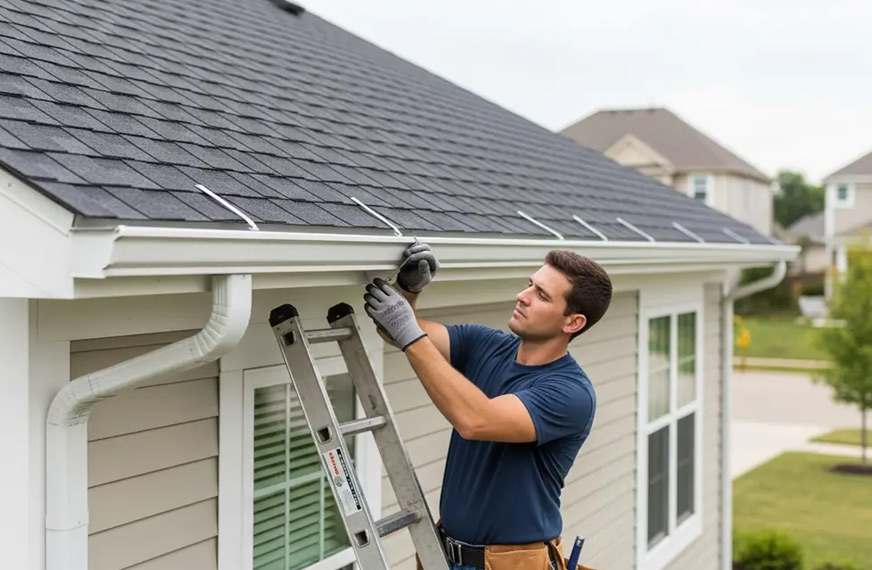
A properly functioning gutter system is an essential part of protecting a building from rainwater and moisture-related problems. Gutters collect water from the roof and direct it toward downspouts, helping prevent excessive water from running down exterior walls or collecting near the foundation. Over time, gutters can develop leaks, cracks, loose fasteners, sagging sections, blockages, and other forms of damage that reduce their effectiveness. Gutter repair provides a practical solution for restoring damaged sections before minor problems become more complicated. Understanding the importance of timely maintenance, common warning signs, repair methods, and preventive care can help property owners maintain a dependable drainage system for years.
Understanding the Role of a Gutter System
Gutters are designed to manage rainwater as it leaves the roof and move that water toward designated drainage points. Without a properly functioning system, rainwater may fall directly beside exterior walls, doors, windows, landscaping, and foundation areas. Continuous exposure to concentrated water can contribute to staining, soil erosion, moisture problems, and deterioration of certain building materials. Gutter repair helps restore the system when individual components become damaged or stop functioning correctly. Keeping the gutters in good condition is therefore an important part of broader exterior property maintenance and water management.
Why Gutter Damage Should Not Be Ignored
Small gutter problems can sometimes appear insignificant, particularly when they only occur during heavy rainfall. However, a small leak, loose bracket, or minor crack can gradually become worse because gutters are repeatedly exposed to water, debris, wind, and changing temperatures. Damage may also affect surrounding fascia boards or other supporting materials if water repeatedly reaches areas that should remain protected. Gutter repair allows property owners to address these issues before they become more extensive. Prompt attention can reduce the possibility of repeated water exposure and help preserve the performance of the entire drainage system.
Identifying Leaks and Cracks
Leaks and cracks are among the most common problems found in aging or damaged gutter systems. They may appear around seams, corners, joints, holes, or sections affected by corrosion or physical impact. During rainfall, leaking water may escape from the gutter before it reaches the downspout, reducing the system’s ability to control runoff. Gutter repair can involve sealing small openings or replacing damaged sections when the deterioration is more serious. Regular inspection makes it easier to identify these problems and determine whether a localized repair is sufficient or whether a larger section needs attention.
Addressing Sagging Gutters
Gutters should maintain a suitable position and slight slope so water can flow naturally toward the downspouts. Sagging sections can cause water to collect in low areas instead of moving efficiently through the drainage channel. This problem may result from loose fasteners, insufficient support, accumulated debris, heavy water, or deterioration of the material supporting the gutter. Gutter repair may involve replacing brackets, adding suitable supports, adjusting alignment, or addressing damaged fascia boards. Correcting the underlying problem is important because simply repositioning a gutter without securing its support may allow the sagging to return.
Repairing Loose Fasteners and Brackets
Gutter systems rely on screws, hangers, brackets, and other fastening components to remain securely attached to the building. Over time, these components can loosen due to weather exposure, repeated loading, movement, or deterioration of the supporting material. When fasteners become loose, gutter sections may pull away from the roofline or lose their intended slope. Gutter repair can include replacing damaged hardware and securing the gutter system to suitable supporting surfaces. Proper fastening helps the system withstand the weight of water and debris while maintaining the alignment needed for effective drainage.
Fixing Damaged Seams and Joints
Many gutter systems contain seams where separate sections are connected. These areas can become vulnerable to leaks when sealants deteriorate, fasteners loosen, or connected sections shift. Water escaping through damaged joints can run down exterior surfaces and may eventually affect nearby materials. Gutter repair may involve cleaning the affected joint, removing old sealant, applying a compatible sealing material, or replacing damaged components. Regularly checking seams and corners is particularly useful because these areas can develop leaks even when the rest of the gutter channel appears to be in good condition.
Clearing Blocked Gutters and Downspouts
Leaves, twigs, dirt, roof particles, and other debris can accumulate inside gutters and downspouts. When this material blocks the flow of water, rainfall may overflow from the gutter instead of moving through the intended drainage route. Blocked downspouts can be particularly difficult because the obstruction may be located inside the vertical section of the system. Gutter repair may become necessary when repeated blockages contribute to structural damage, loose connections, or overflowing sections. Regular cleaning and inspection can help prevent debris from creating unnecessary stress on the gutter system.
Dealing With Water Overflow
Water overflowing from the edges of a gutter is a clear indication that something may be wrong with the drainage system. Possible causes include blockages, inadequate gutter capacity, insufficient downspouts, poor slope, damaged sections, or unusually heavy rainfall. Repeated overflow can expose walls, landscaping, walkways, and foundation areas to concentrated water. Gutter repair can address physical damage that contributes to overflow, but it is also important to determine the underlying cause. If the existing system is not appropriately sized or configured, additional drainage improvements may be necessary rather than relying only on localized repairs.
Protecting the Roofline
The roofline and areas surrounding the gutter system can be affected when water is not properly controlled. Leaking or overflowing gutters may repeatedly expose fascia boards, soffits, trim, and other exterior components to moisture. Over time, this exposure can contribute to staining, deterioration, and additional maintenance concerns. Gutter repair can help restore proper water flow and reduce unnecessary moisture exposure around the roof edge. Before completing repairs, it is useful to inspect supporting materials because damaged fascia or other structural components may need attention before new fasteners can be installed securely.
Protecting Foundation Areas
A major purpose of gutters is to move roof water away from the building. When gutters leak or downspouts discharge water too close to the structure, excessive moisture can collect around the foundation. Depending on the surrounding drainage conditions, this may contribute to soil erosion, damp areas, and other water-related concerns. Gutter repair can restore damaged channels and connections so water reaches the intended downspouts more effectively. Properly positioned downspout outlets and extensions may also help carry water farther away from vulnerable areas and reduce concentrated runoff near the building.
Repairing Different Gutter Materials
Gutters can be manufactured from materials such as aluminum, steel, copper, and other durable options. Each material has different characteristics, and the appropriate repair method may depend on the type and extent of damage. Minor issues in some materials may be suitable for sealing or patching, while severe corrosion or structural deterioration may require replacement. Gutter repair should take the existing material into account so that compatible products and techniques are used. Matching the repair material appropriately can help preserve both the performance and appearance of the existing drainage system.
Knowing When Replacement Is Better
Although many gutter problems can be repaired, some systems may be too severely damaged for localized maintenance to provide a practical long-term solution. Extensive corrosion, repeated leaks, badly distorted sections, or widespread structural deterioration can indicate that replacement may be more appropriate. Gutter repair is generally most useful when the overall system remains structurally sound and individual problems can be corrected effectively. Property owners should consider the age and condition of the entire system rather than repeatedly repairing sections that are already near the end of their useful life. A professional assessment can help determine the most suitable approach.
Checking the Gutter Slope
Proper gutter slope is essential for moving water toward downspouts. If sections become level or slope in the wrong direction, water can remain inside the channel and contribute to pooling, debris accumulation, and overflow. Changes in slope may result from loose brackets, heavy debris, structural movement, or damage to the gutter itself. Gutter repair can involve repositioning the affected sections and securing them at the appropriate angle. Correcting the slope is particularly important when water continues to collect inside the gutter even after debris and blockages have been removed.
Considering Gutter Guards
Gutter guards can help reduce the amount of leaves and larger debris entering a drainage system, but they do not eliminate the need for regular inspection. Small particles can still collect on or beneath some types of guards, and certain designs may require periodic cleaning. Gutter repair may become necessary if poorly maintained guards contribute to restricted water flow, excessive buildup, or additional weight on the gutter. Property owners should choose suitable products for their particular gutter design and continue checking the system to ensure that water can enter freely and reach the downspouts.
Maintaining Gutters After Repairs
Repairing a damaged gutter is only one part of maintaining a reliable drainage system. After repairs are completed, property owners should continue checking for new cracks, loose fasteners, blocked outlets, sagging sections, and deteriorating joints. Debris should be removed regularly so that it does not become heavy enough to affect the structure or restrict water flow. Gutter repair can provide longer-lasting results when combined with consistent cleaning and inspection. Establishing a maintenance schedule can help identify small problems early and reduce the likelihood of unexpected failures during periods of heavy rainfall.
Choosing Professional Repair Services
Some basic maintenance tasks may be manageable for property owners, but complicated gutter problems often require professional assessment. Working at roof height can present safety challenges, while accurate repairs may require specialized tools and materials. Gutter repair performed by experienced professionals can help ensure that the underlying problem is identified and corrected rather than simply covering the visible symptom. When evaluating a repair provider, property owners can consider experience, workmanship, materials, communication, pricing, and warranty information. A careful selection process can help ensure that repairs are completed properly and safely.
Avoiding Common Repair Mistakes
Poor repair techniques can sometimes create additional problems instead of solving the original issue. Using incompatible sealants, installing fasteners incorrectly, failing to correct the slope, or covering damaged areas without addressing underlying deterioration can result in recurring leaks. Gutter repair should focus on both the visible damage and the reason the damage occurred. Proper preparation, suitable materials, secure fastening, and accurate alignment can improve the reliability of the finished repair. Avoiding shortcuts may require more attention initially, but it can reduce repeated maintenance and help extend the useful life of the gutter system.
Creating a Preventive Maintenance Plan
A preventive maintenance plan can help property owners identify gutter problems before they become serious. Inspections can be scheduled periodically to check the condition of channels, seams, brackets, downspouts, and surrounding materials. Cleaning should also be performed according to the amount of debris that typically accumulates in the system. Gutter repair can be more effective when minor issues are addressed promptly instead of allowing them to develop over multiple seasons. Monitoring how water behaves during rainfall can also provide useful information about potential drainage problems that may not be obvious during dry weather.
Final Thoughts
Timely gutter maintenance can play an important role in protecting a building from unnecessary water exposure and drainage problems. Leaks, cracks, sagging sections, loose fasteners, blocked downspouts, damaged seams, and poor alignment can all reduce the effectiveness of a gutter system. Gutter repair offers a practical way to restore damaged areas when the existing system remains suitable for continued use. By combining timely repairs with regular cleaning, inspections, appropriate maintenance, and professional assistance when needed, property owners can improve drainage performance and extend the useful life of their gutters. A proactive approach can also reduce the likelihood of more extensive repairs and help keep rainwater moving safely away from vulnerable areas.

