


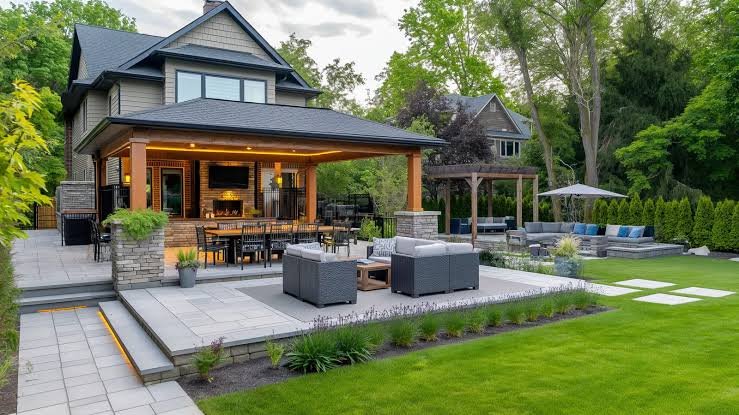
Creating an attractive outdoor environment requires thoughtful planning, creative ideas, and a clear understanding of how different features can work together. A well-designed garden, patio, or backyard can become a comfortable extension of the home, providing space for relaxation, entertainment, and everyday activities. Combining durable materials with natural greenery, decorative elements, and practical arrangements helps create an environment that looks appealing while remaining easy to use. Homeowners can improve their outdoor areas by choosing suitable paving materials, creating organized walkways, installing comfortable seating, and incorporating features that complement the property’s architectural style. With the right approach, even an ordinary outdoor space can become a welcoming retreat that offers lasting beauty and functionality.
Understanding the Value of a Well-Planned Outdoor Space
Outdoor spaces contribute significantly to the overall appearance and usability of a property, particularly when their features are arranged according to practical needs. A thoughtfully organized garden can provide separate areas for relaxation, dining, gardening, and entertainment without making the available space feel crowded. Clear pathways improve movement, while patios and seating areas create comfortable places to spend time with family and friends. The choice of materials, colors, and decorative features also influences the atmosphere of the environment, helping establish a consistent style that complements the home. Planning these elements together creates a more balanced outdoor setting that combines visual appeal with everyday convenience. Before starting any improvement project, homeowners should evaluate the size of the property, existing ground conditions, drainage patterns, sunlight exposure, and intended uses of the space. These factors influence decisions about paving, planting, seating arrangements, and the placement of permanent structures. Families may prioritize open areas for recreational activities, while people who enjoy entertaining guests might prefer spacious patios and outdoor dining arrangements. Others may want a peaceful garden with shaded seating and attractive planting beds. Understanding these preferences from the beginning helps establish clear priorities, prevent unnecessary expenses, and ensure that each improvement contributes meaningfully to the overall design.
Selecting Materials That Combine Beauty and Durability
Choosing appropriate materials is essential for creating outdoor spaces that remain attractive and functional over time. Natural stone, concrete pavers, brick, gravel, and decorative tiles each offer different advantages in terms of appearance, strength, installation, and maintenance. Natural stone provides distinctive textures and an organic appearance, while concrete offers flexibility in shapes, colors, and finishes. Brick can introduce traditional character, whereas modern pavers may create a clean and organized look. The best option depends on the intended use of the surface, the surrounding architecture, environmental conditions, and the amount of maintenance the property owner is prepared to undertake. Material selection should also account for weather exposure, surface traction, drainage, and long-term performance. Outdoor surfaces experience regular foot traffic, moisture, sunlight, and temperature fluctuations, making it important to choose products that suit the conditions in which they will be installed. Smooth finishes may look attractive but can become slippery when wet, while certain porous materials may require additional cleaning or sealing. Combining complementary textures and colors can improve the visual connection between patios, pathways, walls, and planting areas. Comparing material samples before making a final decision helps homeowners select options that deliver a suitable balance between style, durability, and affordability.
Creating Attractive Patios for Outdoor Living
A patio can become one of the most useful parts of an outdoor environment because it provides a dedicated space for dining, relaxing, and entertaining. Its layout should reflect the available space and the activities that will take place there, allowing enough room for furniture and comfortable movement. Compact patios can work well with simple seating arrangements and carefully selected decorative features, while larger areas may accommodate dining tables, lounge chairs, and additional entertainment options. The choice of paving materials also helps establish the desired atmosphere, whether homeowners prefer a natural appearance, a contemporary finish, or a more traditional outdoor setting. Successful patio construction depends on proper ground preparation, a stable foundation, and effective drainage. An uneven base can cause paving materials to shift or settle over time, while poor drainage may result in standing water and surface deterioration. The location should also provide convenient access to the home and consider factors such as shade, privacy, and exposure to sunlight. Pergolas, umbrellas, outdoor lighting, and suitable furniture can improve comfort and extend the usefulness of the area into the evening. When these features are planned together, the patio becomes a practical and inviting extension of the home’s living space.
Designing Walkways That Improve Accessibility
Walkways connect entrances, patios, garden areas, and other important parts of a property while guiding visitors through the outdoor environment. Their design influences both the appearance and functionality of the space because the shape, width, and material selection determine how easily people can move between different areas. Straight pathways often suit formal layouts, whereas curved walkways can create a relaxed atmosphere and introduce a sense of discovery. Brick, concrete pavers, natural stone, and gravel are popular choices that can be selected according to the intended use and surrounding design. A well-planned pathway should provide a clear route while complementing the nearby plants, structures, and architectural details. Safety and durability should remain priorities throughout the construction process. A properly prepared foundation helps prevent uneven settling, while suitable surface textures can improve traction in wet conditions. Pathways should be wide enough for comfortable movement and positioned to avoid unnecessary obstacles. Lighting may also be useful around entrances, steps, and frequently used routes, particularly when the outdoor area is accessed after sunset. Regular cleaning and inspection help preserve the surface and identify problems before they become serious. Combining practical construction methods with attractive materials creates walkways that improve accessibility while contributing to the overall character of the property.
Incorporating Retaining Walls and Raised Features
Retaining walls and raised planting beds can improve the organization of outdoor spaces by creating structure and making better use of changes in ground level. These features can separate different activities, support soil on sloped areas, and provide additional opportunities for planting flowers, shrubs, or ornamental grasses. Natural stone may create a traditional appearance, while concrete blocks and other manufactured materials can offer a more uniform finish. The height, placement, and appearance of each structure should complement the surrounding environment and serve a clear purpose. When incorporated thoughtfully, retaining walls can provide practical support while adding depth and visual interest to the overall outdoor arrangement. Construction quality is particularly important when walls must support soil or manage substantial differences in elevation. Proper foundations, suitable materials, and effective drainage help reduce the risk of movement, cracking, and structural damage. Water accumulating behind a wall can increase pressure and contribute to failure if the structure is not designed to manage it correctly. Larger installations may require professional assessment to determine the appropriate construction method and comply with relevant building requirements. Homeowners should distinguish between simple decorative borders and structural retaining walls because the latter may involve significant engineering considerations. Careful planning helps ensure that raised features remain stable, safe, and attractive over time.
Improving Drainage and Managing Rainwater
Effective drainage is essential for protecting outdoor surfaces, planted areas, and nearby structures from excessive water accumulation. Poorly managed rainwater can create slippery walkways, weaken paving foundations, contribute to soil erosion, and collect near building foundations. Before construction begins, homeowners should examine the existing ground slope, soil permeability, and natural direction of water movement. Proper grading, drainage channels, and suitable collection systems can help direct water away from vulnerable areas. Addressing these requirements during the planning stage is generally more effective than correcting drainage problems after the installation of patios, pathways, and other permanent features. Permeable paving may provide an additional option for managing rainwater when the site conditions are suitable. Certain pavers and gravel-based surfaces allow water to pass through openings into a prepared base, where it can infiltrate the ground or move toward a designed drainage system. The effectiveness of these installations depends on soil conditions, construction quality, maintenance, and the amount of rainfall the area receives. Regularly removing leaves, sediment, and other debris helps prevent blockages and preserve drainage performance. Combining appropriate paving materials with careful grading can reduce standing water, improve outdoor usability, and support a more responsible approach to water management.
Combining Natural Greenery with Structural Features
Natural greenery can soften the appearance of paved surfaces and built structures, creating a more inviting and visually balanced environment. Flowering plants, ornamental grasses, shrubs, and trees introduce color, texture, and seasonal variation that complement stone, brick, and concrete. Planting beds can define the edges of patios, soften retaining walls, and create transitions between open lawns and constructed areas. Trees may provide shade near seating spaces, while smaller plants can introduce decorative details along pathways. Selecting plants according to sunlight, soil quality, available space, and watering requirements helps maintain healthy growth while reducing unnecessary maintenance. Plant placement should also consider future growth because roots, branches, and expanding foliage can affect nearby structures and pathways. Trees and large shrubs need sufficient space to develop without obstructing movement or creating avoidable damage to paving. Raised planting beds should provide suitable soil depth and drainage, while plants near walls should be selected according to their mature size and growth habits. Coordinating vegetation with structural features from the beginning helps prevent overcrowding and maintains a balanced appearance as the garden develops. This combination of natural and constructed elements can create an outdoor environment that feels organized, comfortable, and connected to nature.
Enhancing Comfort with Outdoor Furniture and Lighting
Comfortable furniture can transform an outdoor area into a practical place for relaxation, dining, and social gatherings. The type and placement of furniture should match the size of the space and the activities homeowners want to enjoy. Dining tables may suit patios used for family meals, while lounge chairs and benches can create inviting places to read or relax. Weather-resistant materials are generally more suitable for outdoor use because they can withstand moisture, sunlight, and changing temperatures. Coordinating furniture colors with paving, plants, and decorative features helps maintain a consistent appearance without introducing unnecessary visual clutter. Lighting adds another layer of functionality by improving visibility and creating a welcoming atmosphere after sunset. Path lights can illuminate walkways, wall fixtures can improve visibility near entrances, and subtle accent lighting can highlight attractive plants or architectural details. Energy-efficient LED fixtures and suitable solar-powered lights may help reduce electricity consumption, depending on their installation and exposure to sunlight. Lighting should be positioned carefully to minimize glare and avoid creating excessive brightness around seating areas. Combining appropriate furniture, shade, and lighting allows outdoor spaces to remain comfortable and useful during different times of the day.
Choosing Sustainable and Low-Maintenance Solutions
Sustainable outdoor planning focuses on using resources responsibly while creating environments that remain attractive and manageable over the long term. Selecting plants suited to the available climate can reduce excessive watering and the need for frequent replacement. Mulching helps retain soil moisture and control weeds, while composting suitable organic materials can improve soil quality. Efficient irrigation systems, including drip irrigation where appropriate, can deliver water closer to plant roots and reduce unnecessary waste. These practices support healthier planting conditions while helping homeowners manage routine maintenance and resource consumption more effectively. The selection of durable materials also contributes to long-term sustainability because surfaces that last longer may require fewer replacements and less frequent repairs. Permeable paving can support rainwater infiltration in suitable conditions, while durable construction methods help reduce material waste caused by premature deterioration. Homeowners should consider the maintenance requirements of each feature before installation rather than focusing only on its initial appearance or purchase price. Choosing simple layouts, suitable plants, and reliable materials can reduce the time and expense associated with ongoing care. A sustainable approach balances attractive design with practical decisions that support lasting performance.
Maintaining Outdoor Areas for Long-Term Beauty
Regular maintenance helps preserve the appearance, safety, and performance of outdoor spaces. Common tasks include sweeping paved surfaces, removing leaves, cleaning stains, checking drainage channels, and inspecting joints for signs of deterioration. Different materials require different care methods, so homeowners should follow appropriate cleaning and maintenance recommendations. Some paving materials may benefit from sealing, while others can perform well without it when installed and maintained correctly. Using unsuitable chemicals or excessive pressure during cleaning may damage certain surfaces, so maintenance techniques should always match the material being treated. Preventive maintenance can also help identify small problems before they become expensive repairs. Uneven paving, cracked joints, loose steps, and blocked drainage channels should be inspected and addressed when necessary. After severe weather, checking for displaced materials or water accumulation can help identify damage early. Plants growing near structural features should also be managed to prevent overcrowding and preserve access to pathways. A consistent maintenance schedule allows homeowners to protect their investment while keeping the outdoor environment safe, attractive, and comfortable for regular use.
Managing Costs and Planning Improvements
A realistic budget helps homeowners prioritize essential improvements and avoid unnecessary expenses during an outdoor project. Costs may include design services, excavation, foundation preparation, construction materials, labor, drainage systems, lighting, and finishing details. Preparing a detailed estimate makes it easier to compare alternatives and understand which features provide the greatest practical value. Addressing foundational requirements, such as drainage and stable paving bases, should generally take priority over optional decorative additions. Choosing materials solely because they are inexpensive can lead to higher maintenance costs or premature replacement if their quality and suitability are inadequate. Completing improvements in stages can make a large project easier to manage financially and practically. Homeowners might begin with ground preparation, drainage, and essential pathways before adding a patio, planting beds, furniture, and decorative lighting. This approach spreads expenses over time and provides opportunities to assess how the space functions before introducing additional features. Comparing contractor estimates and reviewing material specifications can also help clarify the differences between proposed solutions. Setting aside money for unexpected issues is sensible because excavation may reveal unstable soil, hidden drainage problems, or other conditions that affect the original budget.
Knowing When to Seek Professional Assistance
Some outdoor improvements can be completed independently, particularly when they involve simple decorative borders, small gravel pathways, or basic planting arrangements. However, larger projects involving retaining walls, significant changes in elevation, extensive paving, or complicated drainage systems may require professional knowledge. Experienced contractors can assess site conditions, recommend suitable materials, prepare stable foundations, and coordinate different stages of construction. Their expertise may help prevent problems related to structural stability, water management, and long-term durability. Professional assistance is especially valuable when the project includes features that could affect safety or require compliance with building regulations. Before selecting a contractor, homeowners should review previous work, written estimates, material specifications, expected timelines, and relevant references. It is important to clarify responsibilities for excavation, waste removal, foundation preparation, drainage installation, and final cleanup before work begins. Any required permits or approvals should also be identified during the planning process. Clear communication about the budget, preferred materials, and intended results helps ensure that the finished project meets expectations. Careful coordination between planning and installation can improve construction quality and reduce the likelihood of expensive changes later.
Conclusion
Creating an elegant and functional outdoor environment requires a thoughtful combination of durable materials, attractive greenery, practical structures, and consistent maintenance. Patios, walkways, retaining walls, raised beds, and lighting can improve accessibility while creating comfortable areas for relaxation and entertainment. Hardscaping is most effective when each feature is planned according to the property’s layout, environmental conditions, and intended use. Paying attention to foundation preparation, drainage, material quality, and safety helps protect the investment and supports reliable long-term performance. When structural features complement natural elements, the finished outdoor space becomes more balanced, inviting, and practical. A successful outdoor project does not necessarily require an extensive budget or complicated design. Clear priorities, suitable materials, realistic planning, and attention to detail can produce impressive results even in modest spaces. Homeowners should consider their daily routines, maintenance preferences, and future needs before committing to major improvements. Whether the objective is to create a comfortable patio, improve access between garden areas, or make a sloped yard more usable, thoughtful decisions can help achieve a durable and attractive result. By combining style with functionality and maintaining each feature properly, property owners can enjoy an outdoor environment that adds lasting value and comfort to everyday life.

