


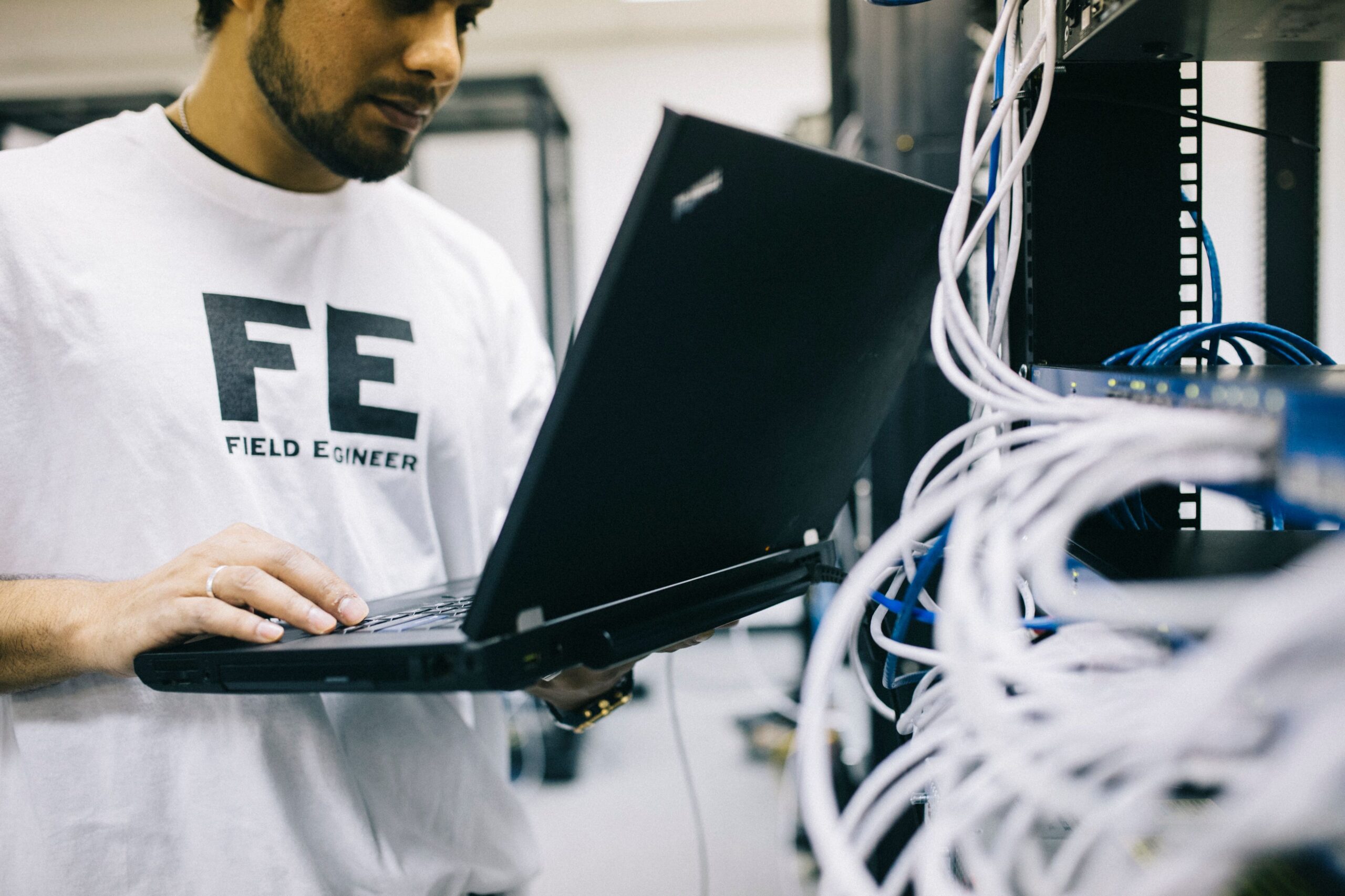
Mobile workstations have changed the way professionals work by combining powerful computing capabilities with the flexibility to move wherever the job requires. Whether you work in engineering, healthcare, manufacturing, logistics, design, or field services, having access to computing resources outside of a traditional office environment can improve productivity and support better decision-making. Understanding the benefits of mobile workstations can help organizations and individuals determine whether they are the right solution for their needs.
1. Freedom to Work Wherever the Job Takes You
One of the biggest advantages of a mobile workstation is the ability to perform demanding tasks without being tied to a fixed location. Professionals can access critical applications, files, and systems while working in warehouses, hospitals, manufacturing facilities, construction sites, customer locations, or remote offices.
This flexibility allows employees to remain productive without repeatedly returning to a desk or workstation. Instead of interrupting workflows to access information, users can bring the technology directly to where the work is happening, helping improve responsiveness and efficiency.
For organizations that rely on real-time information and fast decision-making, this mobility can create significant operational advantages.
2. Increased Productivity and Efficiency
Mobile workstations provide the computing power needed to run demanding software applications while working on the move. Employees can update records, process transactions, access databases, and complete complex tasks directly at the point of activity.
This eliminates many of the delays associated with moving between work areas and centralized computer stations. Warehouse personnel can perform inventory updates immediately, healthcare professionals can access patient information at the bedside, and technicians can review system data directly where maintenance is being performed.
Reducing unnecessary movement and duplicate data entry often leads to:
- Faster task completion
- Improved workflow efficiency
- Better data accuracy
- Fewer process interruptions
- Increased employee productivity
By bringing technology to the work rather than bringing work to the technology, organizations can streamline operations and improve overall performance.
3. Long-Term Cost Savings
Although mobile workstations may require a larger initial investment compared to standard devices, they can generate meaningful cost savings over time.
A mobile workstation can often replace multiple devices or eliminate the need for dedicated workstations throughout a facility. This consolidation can reduce hardware costs, simplify IT management, and decrease maintenance requirements.
Organizations may also benefit from:
- Reduced labor inefficiencies
- Fewer process delays
- Lower error rates
- Improved inventory accuracy
- Increased equipment utilization
When employees spend less time walking between locations or waiting to access information, businesses often see measurable productivity gains that help justify the investment.
4. Superior Connectivity and Workflow Integration
Modern mobile workstations are designed to integrate with a wide variety of business systems and peripherals. Many support barcode scanners, printers, monitors, keyboards, RFID readers, mobile devices, and specialized industry equipment.
This connectivity allows users to perform multiple tasks from a single platform without relying on separate systems. During warehouse operations, manufacturing processes, healthcare workflows, and field service activities, a mobile workstation cart enables employees to bring computing resources directly to the point of work while maintaining access to critical applications and connected devices.
The ability to integrate seamlessly with existing workflows helps organizations improve operational efficiency while minimizing disruptions.
5. Improved Accuracy and Real-Time Data Access
Many workplace errors occur because information is recorded after a task has been completed rather than during the task itself. Mobile workstations help address this issue by giving employees immediate access to systems and databases.
Real-time data entry provides several benefits:
- More accurate records
- Reduced transcription errors
- Faster reporting
- Better inventory visibility
- Improved compliance documentation
When information is captured immediately at the source, decision-makers gain access to more reliable and up-to-date data, allowing them to respond quickly to changing conditions.
6. Durability and Reliability for Demanding Environments
Unlike many consumer-grade devices, mobile workstations are often designed for industrial, healthcare, and commercial environments where reliability is essential.
Many systems feature:
- Rugged construction
- Industrial-grade components
- Long battery life
- Heavy-duty casters and frames
- Secure equipment mounting
- Enhanced power management
These features help ensure consistent performance in environments where equipment is exposed to frequent movement, extended operating hours, and demanding conditions. Greater reliability translates into less downtime and fewer disruptions to critical operations.
Conclusion
Mobile workstations provide a combination of mobility, performance, and operational flexibility that traditional fixed workstations cannot match. By allowing employees to access computing resources wherever work is being performed, organizations can improve productivity, increase efficiency, reduce errors, and support better decision-making.
Whether used in warehouses, manufacturing facilities, healthcare settings, or field operations, mobile workstations help employees stay connected to the information and tools they need. As businesses continue to prioritize efficiency and mobility, these solutions offer a practical way to support evolving workplace demands while delivering long-term operational value.

