


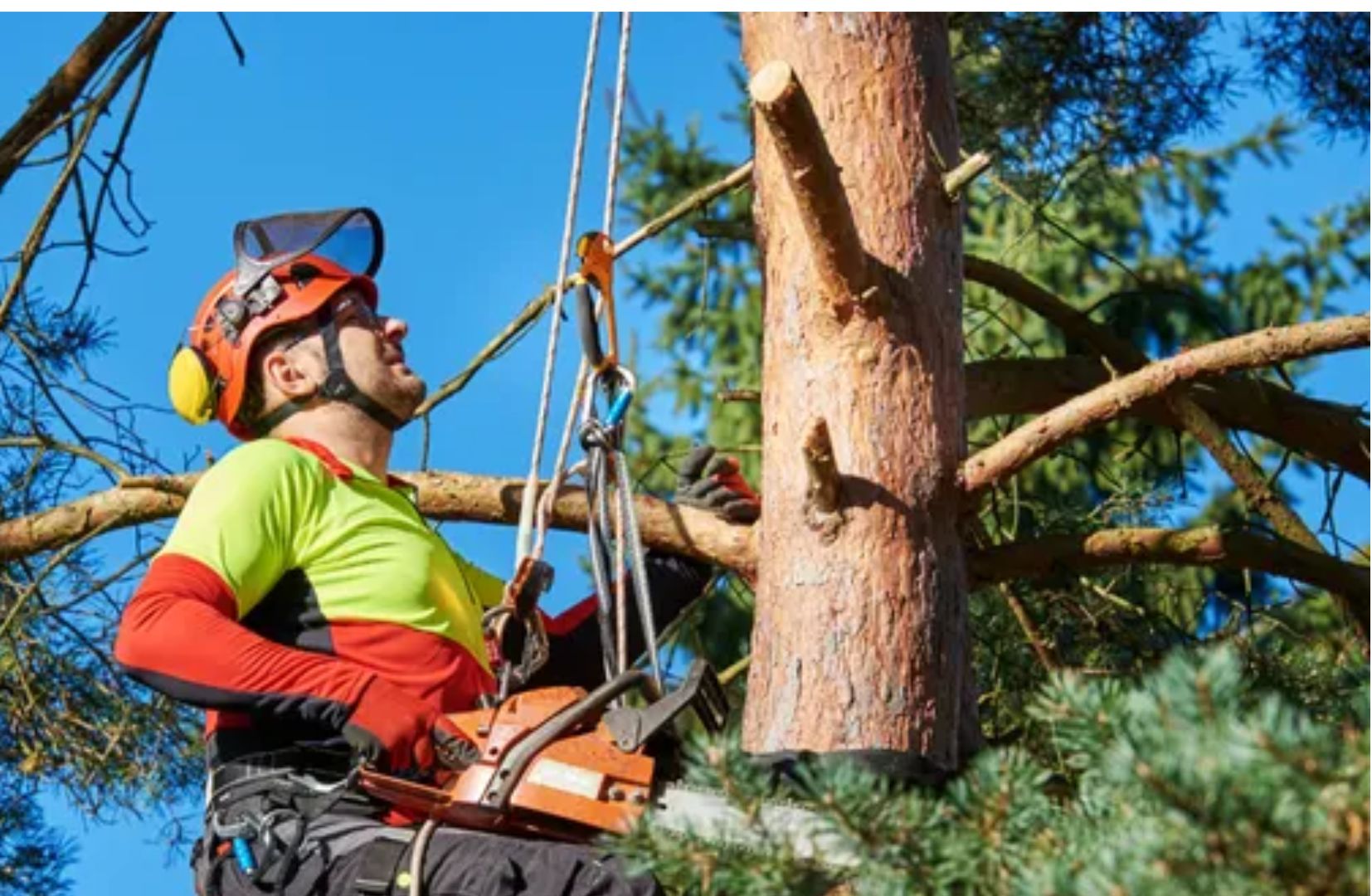
Trees are an important part of a healthy and attractive landscape, offering shade, privacy, natural beauty, cleaner air, and valuable habitat for birds and other wildlife. However, trees can become damaged, diseased, unstable, or poorly positioned as they grow and age. When this happens, property owners need to understand the available options and the potential risks involved. In some situations, regular pruning or professional treatment may solve the problem, while more serious circumstances may require tree removal. Making the right decision requires careful observation, professional assessment, proper planning, and attention to safety. Understanding how trees should be maintained and when professional services may be necessary can help protect people, buildings, vehicles, landscaping, and the long-term condition of the property.
Understanding Tree Health and Safety
A healthy tree can provide benefits for many years, but its condition can change because of severe weather, pests, diseases, soil problems, construction activity, or natural aging. Regularly observing trees can help property owners identify warning signs before a small problem develops into a major hazard. Dead branches, cracked limbs, cavities, damaged bark, fungal growth, exposed roots, and unusual leaning can all indicate that a tree requires closer attention. Not every warning sign means the entire tree is unsafe, but ignoring visible changes can allow structural problems to become more serious. Professional inspections can provide a clearer understanding of whether maintenance, treatment, pruning, or tree removal is appropriate for the specific situation.The surrounding environment should also be considered when evaluating a tree. A tree growing in an open area may present fewer risks than one positioned close to a house, garage, driveway, fence, sidewalk, or utility infrastructure. Even a relatively small branch can cause damage when it falls onto a roof, vehicle, window, or other valuable structure. Large trees require particular attention because their branches and trunks can weigh hundreds or even thousands of pounds. Proper tree care therefore involves more than looking at the leaves or general appearance. The entire structure, root system, soil conditions, and surrounding property should be considered when assessing safety.
Common Reasons Professional Services May Be Needed
Property owners may seek professional tree services for many different reasons. Routine pruning can help remove dead or weak branches, improve structure, and reduce the risk of falling limbs. Professionals may also provide inspections, disease management, pest control, cabling, bracing, stump grinding, and emergency services after storms. When a tree has become severely damaged or cannot be safely preserved, tree removal may become necessary to reduce potential risks. The appropriate service depends on the condition of the tree and the specific circumstances surrounding it.Disease and pest infestations are two common causes of declining tree health. Some problems can be managed successfully when identified early, but advanced damage may weaken the tree beyond practical recovery. Storm damage can also create immediate concerns because broken branches and split trunks may remain unstable even after the weather has passed. Construction projects, changes in drainage, soil compaction, or accidental root damage can further affect stability. Professional assessment helps determine the severity of these issues and whether corrective measures can preserve the tree or whether removal should be considered.
Recognizing Warning Signs
Knowing the warning signs of tree problems can help property owners take action at the right time. Large dead branches are among the most obvious concerns because they can become brittle and fall unexpectedly. Cracks in major branches or the trunk can also indicate structural weakness, particularly when they extend deeply or appear around important supporting areas. Cavities and hollow sections may suggest internal decay, although their presence alone does not always mean a tree must be removed. A professional can assess the extent of decay and determine whether the tree remains structurally viable.Changes around the base of a tree deserve attention as well. Exposed roots, soil movement, lifting ground, or unusual changes in the tree’s position may indicate root problems. A sudden lean can be especially concerning if it has developed after strong winds, flooding, construction, or soil disturbance. Fungal growth near the base may also be associated with decay in certain circumstances. Property owners should avoid attempting to diagnose serious structural problems on their own. A qualified professional can evaluate the complete tree and surrounding conditions before recommending tree removal or another appropriate solution.
Why Professional Assessment Is Important
Tree work involves considerable physical and environmental risks. Professionals understand how tree weight is distributed, how branches react when cut, and how different structures can affect the direction and movement of falling material. Before beginning a project, an experienced crew can examine the tree, surrounding structures, access points, overhead obstacles, ground conditions, and potential hazards. This information is used to create a work plan that reduces unnecessary risks and protects the property.Professional assessment is especially important for large or damaged trees. A tree that appears manageable from the ground can have hidden structural defects that become dangerous during cutting. Professionals can determine whether climbing equipment, ropes, lifting equipment, or controlled lowering techniques are required. In difficult situations, sections of the tree may need to be removed individually rather than allowing the entire tree to fall at once. This careful approach helps make tree removal safer and more controlled while reducing the possibility of damage to nearby property.
Preparing for Tree Work
Good preparation can make a major difference in the safety and efficiency of a tree project. Before professionals arrive, property owners should move vehicles, outdoor furniture, decorations, toys, and other movable objects away from the work area. Pets and children should be kept away from the site while work is underway. If the crew needs access through a gate or particular part of the property, that route should be cleared in advance. These simple preparations allow professionals to work without unnecessary obstacles.Property owners should also communicate important details before work begins. Underground irrigation systems, landscape lighting, delicate plants, outdoor structures, and other features should be identified whenever possible. The crew should understand which materials the property owner wants removed and whether any wood should be retained. Discussing stump treatment and cleanup beforehand can also prevent confusion later. Clear communication helps ensure that the project meets expectations from the beginning and that tree removal is carried out according to an agreed plan.
Safety During the Removal Process
Safety should remain the highest priority throughout any major tree project. Trees are heavy structures, and branches can move unpredictably when they are cut or disturbed. Professionals may establish a controlled work zone to keep people and vehicles at a safe distance. Depending on the situation, ropes and lowering systems can be used to control branches and sections of the trunk. Specialized equipment may also be required for trees that are tall, difficult to access, or located close to structures.Weather conditions should also be considered before and during the work. Strong winds can make branches more difficult to control, while rain can create slippery surfaces and unstable working conditions. Lightning presents an additional hazard that may require work to be postponed. Responsible professionals monitor conditions and avoid unnecessary risks. After severe storms, damaged trees should receive particular attention because hidden cracks and unstable limbs can make them significantly more dangerous. Professional tree removal should always be approached as specialized work rather than a simple cutting task.
Protecting Buildings and Landscaping
One of the major concerns during tree work is preventing damage to the surrounding property. A branch falling in the wrong direction can damage roofs, windows, fences, vehicles, garden beds, or outdoor structures. Even smaller branches can harm delicate landscaping if they are dropped without proper control. Professionals can use ropes, rigging systems, and carefully planned cutting techniques to guide branches toward designated areas.Ground protection may also be necessary when heavy equipment or large sections of wood need to be moved across lawns and other sensitive surfaces. Property owners should point out areas of particular concern before work begins. This allows the crew to incorporate those features into its work plan. Proper preparation and controlled techniques can greatly reduce the chance of accidental damage while ensuring that tree removal is completed in an organized and responsible manner.
Managing Branches, Logs, and Debris
After a tree has been cut down, a significant amount of material may remain on the property. Smaller branches are commonly processed into wood chips, while larger sections of the trunk may be cut into manageable logs. Some property owners choose to keep usable wood for firewood or other projects, while others prefer complete removal. The appropriate approach depends on the type and condition of the wood as well as the property’s future use.Diseased or pest-infested material may need special consideration because it can potentially affect other vegetation. Professionals can explain appropriate disposal options based on the circumstances. Cleaning the work area is also important because scattered branches, wood pieces, and sawdust can create trip hazards and interfere with normal property use. A complete service should address both the main work and the condition of the site afterward. Good cleanup ensures that the property is left safe, accessible, and ready for its next purpose.
Understanding Stump Management
Removing the main portion of a tree does not automatically remove the stump. A remaining stump can become an obstacle for mowing, gardening, landscaping, construction, or future planting. Over time, it may also decay and attract insects or fungi. Property owners should therefore consider stump management when planning a larger tree project.Stump grinding is one common option. This process reduces the stump below ground level, making it easier to restore the surrounding area. Complete stump extraction may be preferred when construction or extensive landscaping is planned in the same location. The best choice depends on the size and location of the stump and how the property will be used in the future. Discussing stump services at the beginning of a tree removal project can make it easier to plan the entire job instead of dealing with the remaining stump separately later.
When Preservation May Be Possible
Although some trees need to be removed, many problems can be addressed without eliminating the entire tree. Professional pruning can remove dead, damaged, or poorly positioned branches while preserving healthy portions of the canopy. Cabling and bracing may provide additional support for certain structural weaknesses. Soil improvements, appropriate irrigation, pest management, and disease treatment may also help some trees recover or remain stable.Preservation should always be considered when it can be achieved safely. Mature trees can provide substantial shade, visual appeal, wildlife habitat, and environmental benefits. However, preservation should never involve ignoring a serious hazard. When a tree has extensive decay, severe structural damage, major root failure, or another condition that creates an unacceptable risk, tree removal may be the most responsible solution. Professional evaluation allows property owners to understand whether preservation is realistic before making a final decision.
Choosing the Right Professional
Selecting a qualified tree-care professional is an important part of managing potentially hazardous trees. Property owners should look for relevant experience, appropriate equipment, professional training, and suitable insurance coverage. A written estimate can help clarify the scope of the work, including cutting, removal of debris, stump services, and cleanup. It is also useful to ask how the crew intends to protect nearby structures and landscaping.Good communication is another important factor. A professional should be willing to explain the condition of the tree, discuss available options, and answer questions about the proposed work. Property owners should understand what is included before the project begins. When the work involves complex tree removal, asking about the planned cutting and lowering methods can provide greater confidence that the project has been carefully considered.
Planning for Future Landscape Health
Once a problematic tree has been removed, property owners may have an opportunity to improve the surrounding landscape. If a replacement tree is planned, its mature size and growth characteristics should be considered before planting. The available space, sunlight, soil conditions, water requirements, root behavior, and proximity to structures can all affect long-term success. Choosing a suitable species can help prevent future conflicts with buildings, driveways, sidewalks, and utility systems.Future tree maintenance should also be part of the plan. Regular inspections can identify developing problems while they are still manageable. Appropriate pruning can help establish strong structure, while proper watering and soil management can support healthy growth. Avoiding damage to trunks and roots is equally important. Thoughtful planning after tree removal can turn an empty space into a healthier and more functional part of the landscape.
Long-Term Property Protection
Responsible tree care is closely connected to overall property maintenance. Trees interact with buildings, drainage systems, walkways, gardens, fences, and utility infrastructure, so their growth should be considered as part of the entire outdoor environment. A tree that is healthy today can eventually become problematic if it is allowed to grow into a structure or if its roots are repeatedly damaged.Regular professional inspections can help property owners understand how their trees are developing and whether corrective action is needed. Addressing minor concerns early can sometimes prevent larger and more expensive problems in the future. When serious hazards cannot be corrected, timely tree removal can help protect the property and reduce the possibility of unexpected damage. A proactive approach is generally easier to manage than responding to a tree failure after it has already caused harm.
Conclusion
Trees are valuable natural features that can improve the appearance, comfort, and environmental quality of a property, but they require appropriate care throughout their lives. Property owners should pay attention to changes in tree health, structural condition, root stability, and surrounding conditions. Professional inspections can help determine whether a problem can be corrected through pruning, treatment, or structural support or whether more extensive action is required.When a tree becomes dangerously unstable, severely damaged, or impossible to preserve safely, professional tree removal can provide a controlled solution. The process should involve careful assessment, appropriate equipment, safety planning, property protection, debris management, and consideration of the remaining stump. By choosing qualified professionals and planning for future landscape health, property owners can protect their surroundings while maintaining a safe and attractive outdoor environment for years to come.

