


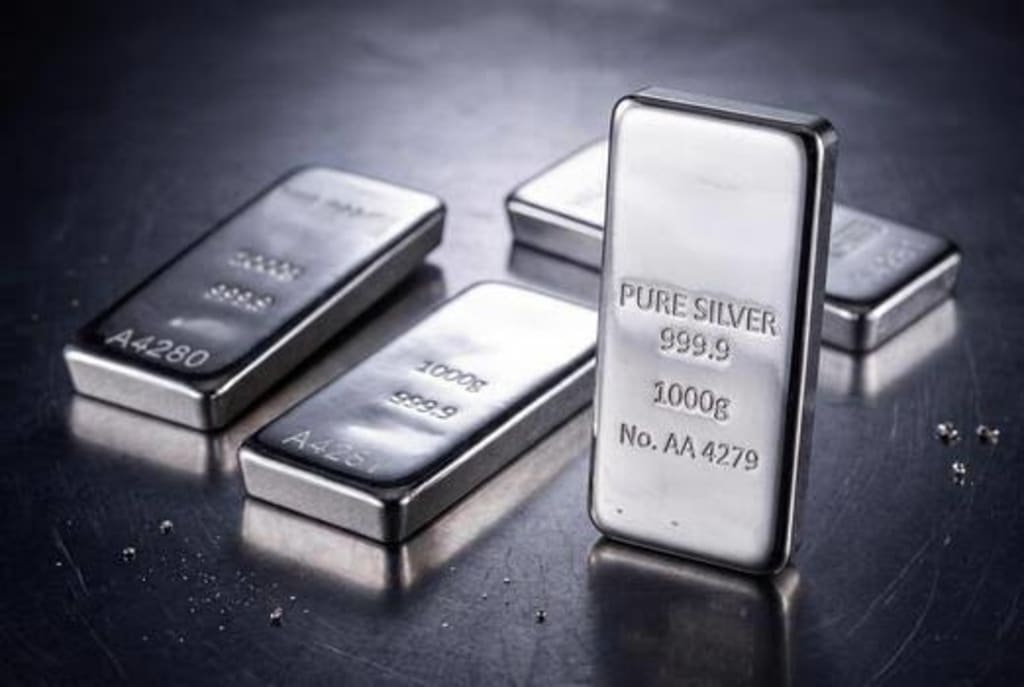
A silver bar can look simple behind a glass counter, but its price reflects several important details. Purity, weight, market movements, and dealer premiums can all influence what you pay. Understanding these factors helps buyers avoid confusing offers and make more confident purchasing decisions.
Before you buy, understanding silver bar cost helps you compare options, evaluate value, and choose a bar that fits your budget. A little research can make the difference between an informed investment and an impulsive purchase.
Essential Factors Shaping Silver Bar Purchase Decisions
A silver bar’s value depends on its metal content, weight, market price, and the additional charges associated with purchasing it.
1. Understanding Silver Purity Before Purchasing
Purity determines how much actual silver a bar contains. Investment-grade bars commonly carry a .999 or .9999 fineness marking, indicating 99.9% or 99.99% silver, respectively.
- Check fineness markings:Look for clearly stated purity information on the bar or its accompanying documentation.
- Review certification:Reputable refiners and reliable documentation can help establish authenticity.
- Compare product specifications:Confirm the stated weight and purity before comparing prices.
These details help buyers understand what they are paying for and make comparisons between different products more meaningful.
2. Comparing Different Bar Weights
Silver bars come in different sizes, from small bars for beginners to larger formats for substantial purchases. Each size offers different advantages.
- Smaller bars:These may require less initial spending and provide flexibility when selling part of a holding.
- Larger bars:These can sometimes carry lower premiums per gram because manufacturing and distribution costs are spread across more silver.
- Budget considerations:Choose a weight that fits your available funds without compromising other financial priorities.
The best size depends on affordability, storage preferences, and future selling plans rather than weight alone.
3. Recognizing the Importance of Trusted Refiners
A silver bar’s origin can influence buyer confidence and resale convenience. Products from established refiners often include identifiable markings, weight information, and purity specifications.
- Inspect branding:Check the refiner’s name, logo, and identifying details.
- Request documentation:Keep invoices, certificates, and other purchase records where available.
- Verify the seller:Choose established dealers with transparent product descriptions and clear purchasing policies.
These checks can help reduce the risk of counterfeit products and simplify future verification.
4. Understanding Premiums Beyond Market Rates
The spot price represents the market quotation for silver, but retail buyers generally pay more than this reference price. Dealers may add premiums to cover manufacturing, distribution, handling, and operating expenses.
- Compare the final price:Evaluate the complete amount payable rather than relying on an advertised starting rate.
- Check premium differences:Smaller bars may carry higher premiums relative to their silver content.
- Review additional charges:Confirm whether taxes, delivery, or payment fees apply.
Understanding these costs helps buyers distinguish the metal’s underlying value from the total retail purchase price.
5. Considering Storage and Long-Term Protection
Silver requires appropriate storage to preserve its condition and make future handling easier. Larger holdings may need more planning than a single small bar.
- Protect the surface:Keep bars in suitable packaging to minimize scratches and unnecessary handling.
- Choose secure storage:Consider a locked home safe or appropriate professional storage.
- Maintain records:Store invoices and product details separately from the physical silver.
Good storage practices help protect the purchase and make ownership easier to manage over time.
Understanding Market Movements Behind Silver Bar Cost
Silver prices can change frequently, making timing and price comparison important for prospective buyers. The market responds to industrial demand, investment activity, currency movements, interest-rate expectations, and wider economic conditions.
When assessing silver bar cost, compare the dealer’s current selling price with the prevailing silver spot price. The difference can help explain the premium being charged. However, the lowest advertised price does not automatically represent the best purchase if authenticity, documentation, or seller reliability is uncertain.
Buyers can also compare the price per gram across different bar sizes. This makes it easier to understand whether a larger bar offers better value after accounting for premiums and other charges. Rather than trying to predict every market move, buyers can set a budget, research reputable dealers, and compare products before committing. This measured approach encourages informed decisions without treating silver as a guaranteed source of profit.
Practical Checks Before Completing A Silver Purchase
A careful final review can help buyers avoid unexpected costs and choose products that match their requirements.
1. Compare Complete Quotations
Request the total payable amount, including applicable taxes, delivery charges, and other fees. Comparing complete quotations from different sellers provides a clearer picture of value than comparing headline prices alone.
2. Review Buyback Conditions
Ask whether the dealer offers a buyback service and how it calculates the repurchase price. The selling price may differ from the buying price, and condition, verification, and market movements can affect the amount received.
3. Keep Purchase Documentation
Retain invoices, receipts, purity details, and any certificates supplied with the bar. These records can support ownership verification, help with resale discussions, and make it easier to review the original purchase later.
4. Avoid Decisions Based on Urgency
Limited-time offers and sudden market movements can encourage rushed purchases. Take time to verify the seller, check the product details, and compare alternatives. A clear purchasing plan can help prevent decisions driven mainly by excitement or fear of missing out.
5. Match Purchases to Financial Goals
Consider whether silver fits your broader financial plans, liquidity needs, and tolerance for price fluctuations. Silver prices can rise or fall, and physical bullion may involve storage costs and resale spreads. Avoid investing money that you may need immediately.
Conclusion: Finding Reliable Silver Bars For Your Needs
Buying silver bars becomes easier when you understand purity, weight, premiums, market movements, and seller reliability. Comparing full prices and verifying product details can help you make a more informed decision while avoiding unnecessary costs. Careful storage and proper documentation also support responsible ownership and future resale.
For buyers exploring silver bars in Dubai, Spike Gold offers a place to begin comparing available bullion options. They provide buyers with an opportunity to explore their offerings and review relevant product details. Checking current prices, confirming purchasing terms, and comparing specifications can help buyers select silver bars that match their budget and preferences. Ultimately, informed research and realistic expectations support more confident decisions when purchasing precious metals for long-term ownership.

